
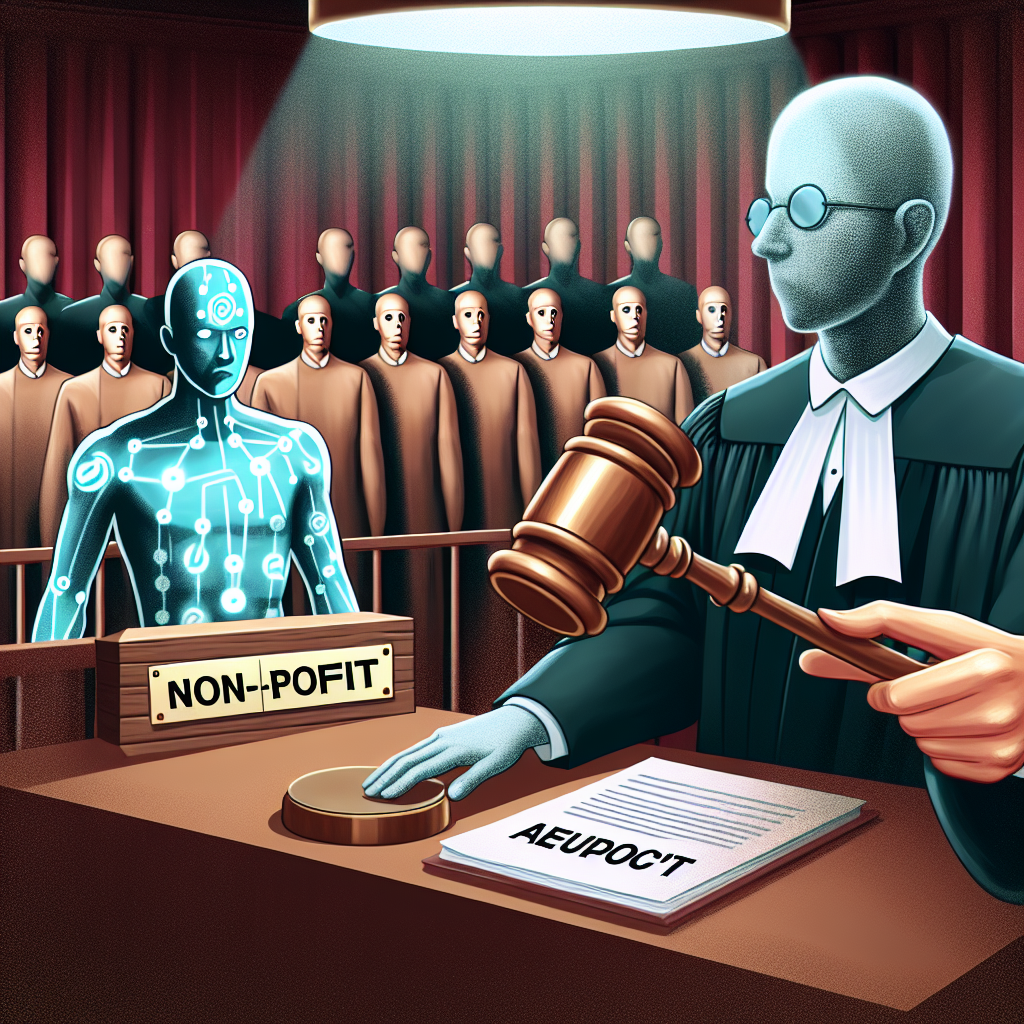
Judge’s Decision Clears Path for OpenAI’s For-Profit Transformation: What It Means for AI’s Future
Artificial Intelligence (AI) is a rapidly evolving field reshaping industries, influencing our daily lives, and sparking debates about ethical practices and innovations. Among the key players in this domain is OpenAI, a company that has been at the forefront of groundbreaking AI research. Recently, the tech world was abuzz with court drama as Elon Musk’s bid to block OpenAI’s transition to a for-profit model was denied. This decision has significant implications for the AI industry and beyond. In this article, we’ll delve into the details of the judge’s ruling and what it means for OpenAI’s future and the broader AI landscape.
Understanding OpenAI’s Evolution
OpenAI’s Origins
Founded in 2015, OpenAI was initially established as a non-profit organization with the mission of ensuring that artificial general intelligence (AGI) benefits all of humanity. With a pledge from major tech figures like Elon Musk and contributions from companies such as Amazon Web Services (AWS) and Infosys, OpenAI set out to lead the AI space with ethical considerations as a core focus.
The Shift to a For-Profit Entity
In March 2019, OpenAI announced the creation of a "capped-profit" arm called OpenAI LP. This restructuring was aimed at attracting more funding and enabling the organization to compete with tech titans like Google and Facebook, who have deep pockets for AI research. The "capped-profit" model is unique, limiting returns to investors and dedicating any excess profits to OpenAI’s mission of benefiting humanity.
Musk, once one of OpenAI’s vocal supporters, raised concerns about transitioning towards a commercial entity. His legal challenge aimed to stop this shift, arguing it could compromise OpenAI’s foundational mission. However, the recent court ruling in favor of OpenAI allows the organization to proceed with its planned evolution.
Implications of the Judge’s Decision
Legal and Ethical Considerations
The court’s decision has illuminated several ethical and legal questions within AI development and organizational governance:
- Ethical Alignment: Critics suggest that the pursuit of profit could skew OpenAI’s objectives, prioritizing shareholder returns over ethical guidelines.
- Accountability: How will OpenAI balance investor demands with its mission? The future will likely involve increased scrutiny regarding transparency and decision-making.
Impact on AI Research and Innovation
OpenAI’s transition to a for-profit model could affect AI research and innovation in several ways:
- Increased Funding: By appealing to more investors, OpenAI can bolster its resources, leading to accelerated advances in AI technology.
- Competitive Edge: A for-profit model might enable more agile strategies and innovations, allowing OpenAI to keep pace with other tech giants.
- Collaboration Opportunities: With the added incentive of profit, partnerships with commercial entities may become more feasible, driving collective advancements.
The Role of AI in Society
As AI becomes further integrated into policies and systems affecting everyday activities, the expansion of firms like OpenAI adds momentum to an already rapid technological shift. The ways these firms evolve will impact cybersecurity, privacy standards, and societal norms.
What To Expect Next from OpenAI
Growth Strategies Post-Transition
Following the judge’s decision, OpenAI is expected to embark on several growth strategies, such as:
- Expansion of Services: Potential new products and services tailored for different sectors, including healthcare, finance, and education.
- Global Outreach: Extending its influence and operations internationally, fostering global cooperation on AI ethics.
- Enhanced Focus on Safety: Despite commercialization, OpenAI has pledged to concentrate on safe AI development, prioritizing systems that are transparent and verifiable.
Potential Challenges and Conflicts
Like any transition, OpenAI faces obstacles that could test its resolve and mission adherence:
- Investor Pressure: Balancing investment returns against long-term AI safety may become contentious.
- Public Perception: Navigating public sentiment and misgivings about commercial motivations versus AI ethics.
Conclusion: A New Chapter for OpenAI
In a monumental step for AI evolution, OpenAI’s transition to a for-profit model marks a pivotal point, sparking both excitement and debate. The ramifications of the judge’s decision extend beyond OpenAI, raising questions about the future of AI, the ethics of its use, and the landscape of tech innovation.
Regardless of where one stands on the transition, what remains clear is that OpenAI is venturing into uncharted territory, with the potential to not only reshape AI but also redefine the relationship between technology and society. As OpenAI navigates this terrain, stakeholders and observers alike will be watching closely, eager to see how the organization maintains its commitment to a future where AI serves the common good.
Stay informed and stay engaged: AI is evolving, and so is our world. Join the conversation and explore its implications for the future.
By structuring the article with clear headers and sections, the content remains accessible and engaging, ensuring readers find the information they seek while optimizing for SEO. This format makes it easy to grasp the complex dynamics at play in OpenAI’s strategic decisions and the broader impact on the AI industry.