
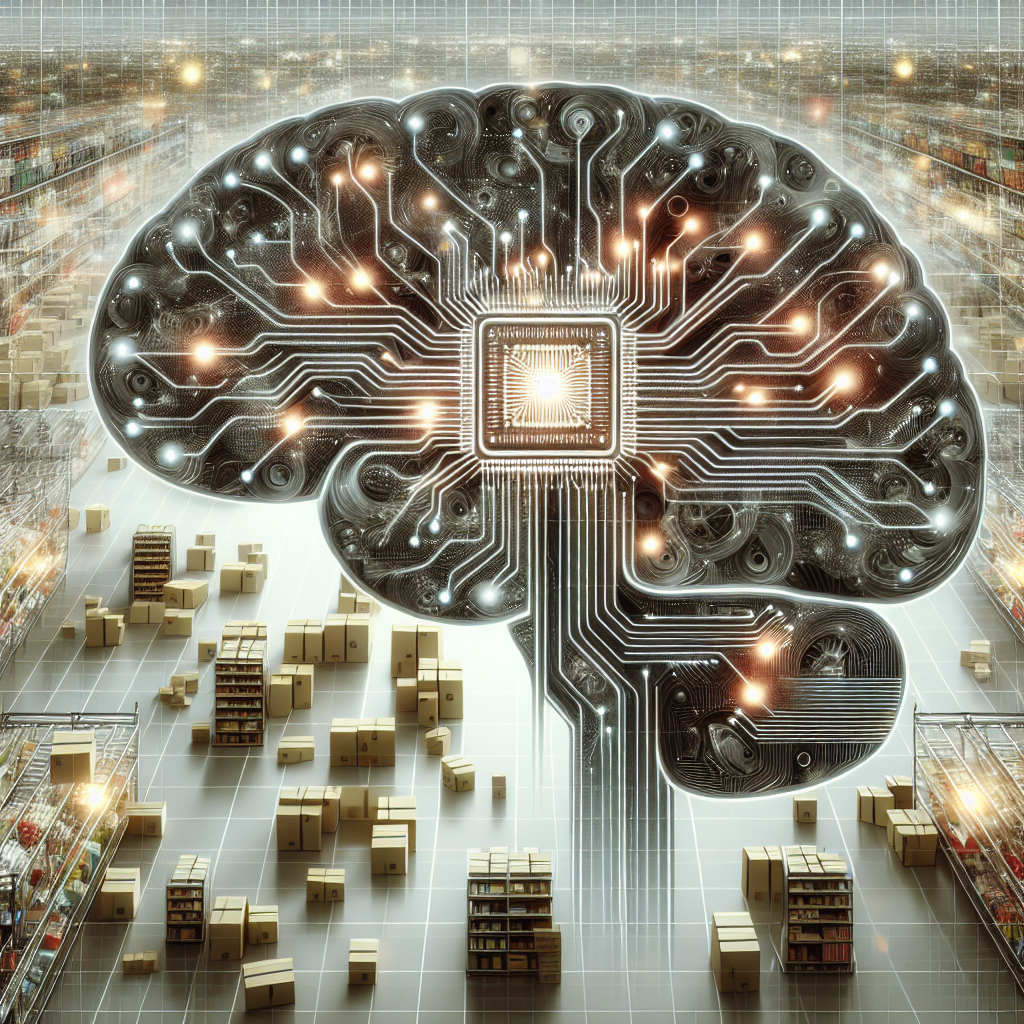
Amazon’s New Frontier: Developing an AI ‘Reasoning’ Model to Revolutionize Technology
Artificial Intelligence (AI) has become a cornerstone of technological innovation, paving the way for unparalleled advancements. As one of the leaders in e-commerce and cloud computing, Amazon isn’t merely watching from the sidelines. It’s reportedly venturing deeper into the world of AI by developing its own AI ‘reasoning’ model. But what does this mean for technology, consumers, and the future of artificial intelligence as a whole? Let’s delve into this fascinating development.
What is Amazon’s AI ‘Reasoning’ Model?
Before exploring potential impacts, it’s essential to understand what an AI ‘reasoning’ model entails. Unlike traditional AI models that focus on pattern recognition and executing pre-programmed tasks, a ‘reasoning’ model aims to mimic human-like reasoning and problem-solving capabilities.
Defining AI ‘Reasoning’
Reasoning in AI stands for the ability of a machine to draw logical conclusions, make decisions based on incomplete information, and creatively solve problems. This functionality is essential for creating AI systems that can adapt to new situations autonomously.
- Human-like Decision Making: Unlike simple algorithms, these models handle tasks by evaluating multiple outcomes similar to human cognition.
- Problem Solving: They can approach complex problems without explicit instructions for every scenario.
- Adaptive Learning: With reasoning, machines learn from their environment fluidly to improve over time.
Why is Amazon Developing This Technology?
Amazon is at the forefront of integrating innovative AI technologies into consumer products and services. The development of its AI ‘reasoning’ model stems from several strategic interests.
Enhancing Alexa’s Capabilities
Amazon Alexa, the company’s famous virtual assistant, already uses AI to enhance user experience. An internal AI reasoning model could substantially boost its functionality:
- Complex Query Handling: Enhanced comprehension of nuanced verbal requests and ambiguous phrasing.
- Personalized User Interactions: Developing deeper, contextually aware conversations with users.
- Intelligent Task Management: Facilitating multi-step tasks by executing coherent actions across various services.
Internal Applications in Logistics and E-commerce
Amazon’s vast logistics network and e-commerce platform can also significantly benefit:
- Supply Chain Optimization: Reasoning models can predict and streamline supply chain processes for higher efficiency.
- Smart Recommendations: Improving the recommendation engine by offering products that better match customers’ rapidly changing preferences.
- Automated Issue Resolution: Identifying and autonomously resolving operational issues before they escalate.
Staying Competitive in the AI Race
By investing in creating a proprietary AI reasoning model, Amazon aims to put itself ahead in several competitive arenas:
- Technology Leadership: Setting benchmarks in AI development.
- Expanding AWS Offerings: Enhancing the capabilities of Amazon Web Services through more intelligent computing resources.
- Market Influence: Securing its position as an innovator in AI-driven solutions.
Potential Challenges and Ethical Considerations
With great power comes great responsibility, and the development of AI reasoning models poses several challenges and ethical implications.
Technical Challenges
Creating an effective AI reasoning model is daunting for even the most advanced tech giants:
- Data Overload: Collecting, processing, and storing the vast amounts of data necessary for training.
- System Integration: Integrating reasoning models across diverse infrastructure without disrupting existing services.
- Reliability and Accuracy: Ensuring outputs are consistent and trustworthy for practical implementation.
Ethical Implications
The deployment of AI technology must align with ethical guidelines to ensure humane use:
- Privacy Concerns: Protecting user data and preventing misuse since more comprehensive AI implies deeper data access.
- Bias and Fairness: Eliminating biases in AI decision-making to ensure equitable outcomes for all users.
- Autonomy vs. Control: Balancing the autonomous capabilities of AI while maintaining user control and accountability.
Future Prospects and Impact
Revolutionizing Customer Interaction
With AI ‘reasoning’ models, Amazon could transform customer interaction into a seamlessly personalized experience:
- Predictive Services: Offering anticipatory services that proactively suggest and solve for user needs.
- Intuitive Interfaces: Developing intuitive interfaces that require minimal learning for users.
Business Implication Across Industries
From healthcare to banking, the impacts of AI reasoning can ripple across industry borders:
- Healthcare: Enhanced diagnostic tools providing precise recommendations.
- Financial Services: Improved risk assessment models for credit and investment.
- Retail: Dynamic pricing models that optimize margins while considering consumer sentiment.
Conclusion
Amazon’s venture into developing its AI ‘reasoning’ model underscores the tech giant’s commitment to innovation and industry leadership. As this technology evolves, it holds the promise of reshaping not just Amazon’s own ecosystem but potentially setting new standards across various fields. As consumers and businesses alike prepare for this new wave, the horizon gleams with opportunities for a smarter, more interconnected future.
Whether you’re a tech enthusiast, a business leader, or an everyday consumer, keeping an eye on Amazon’s AI advancements might just provide glimpses into the future of technology. The journey isn’t just about enhancing artificial intelligence – it’s about redefining possibilities in our digital world.