
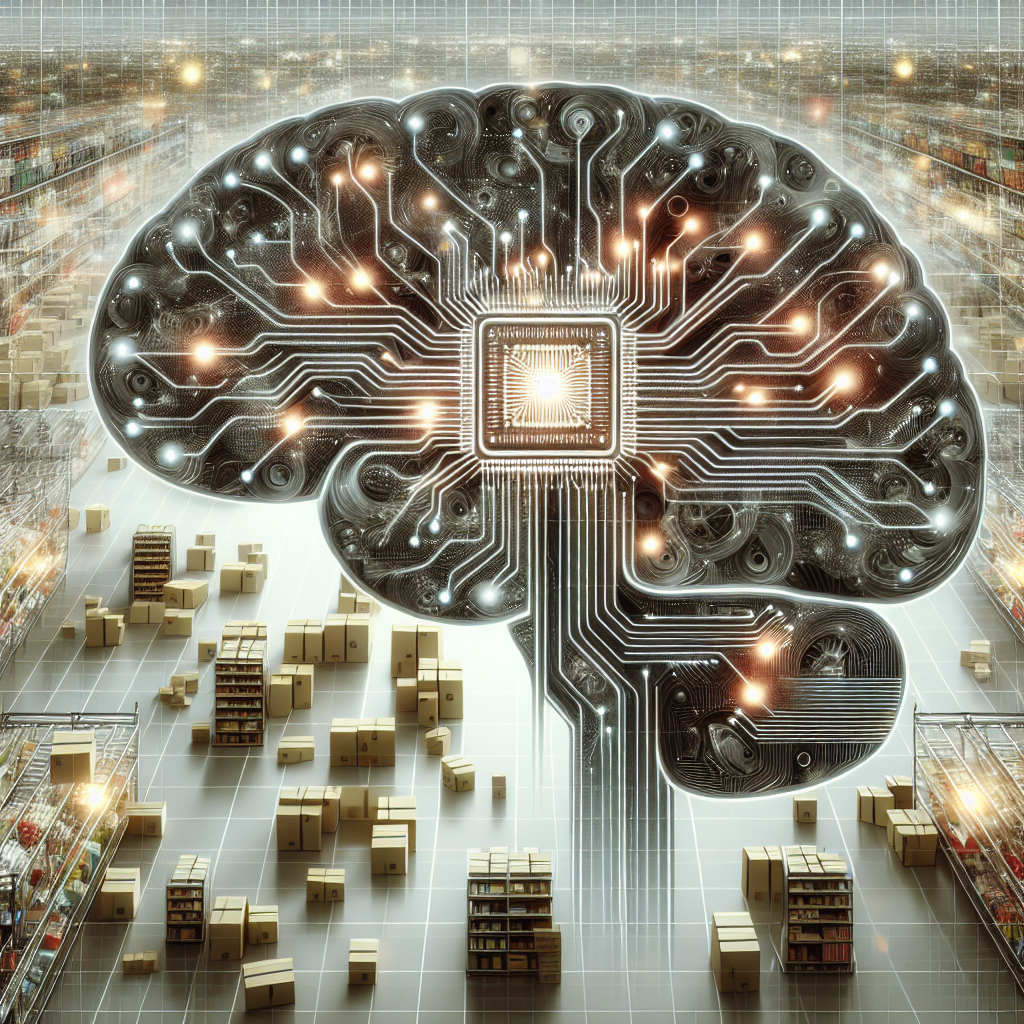
Amazon’s Leap into AI: Developing Its Own ‘Reasoning’ Model
In the ever-evolving landscape of technology, Amazon has once again captured headlines as it reportedly ventures into developing its own AI ‘reasoning’ model. As the giant behind innovations like Alexa and AWS, Amazon’s move towards artificial intelligence represents not just a business decision but a step forward into transforming how technology interacts with everyday life. But what sets this new development apart, and why is it garnering so much attention?
In this article, we’ll dive deep into what an AI ‘reasoning’ model is, why Amazon is pouring resources into its development, and what this means for industries as varied as healthcare, retail, and entertainment.
Understanding AI and ‘Reasoning’ Models
Before delving into Amazon’s specific project, it’s essential to understand what is meant by AI ‘reasoning’ models.
What Are AI ‘Reasoning’ Models?
AI ‘reasoning’ models represent a sophisticated leap from traditional AI approaches. Unlike standard AI, which relies heavily on processing and pattern recognition of existing data, reasoning models simulate a form of logical thinking and decision-making. Essentially, these models aim to "think" more like humans, understanding context, making predictions, and offering solutions based on complex data sets and prior learnings.
How Do These Models Differ from Existing AI?
- Context Understanding: Traditional AI might recognize patterns, but reasoning models can understand context and intent.
- Prediction and Decision-Making: Enhanced ability to not just forecast but also decide optimal actions.
- Adaptation and Learning: Ability to adapt and improve over time without extensive inputs.
These capabilities could radically enhance technologies across sectors, marking a significant departure from what AI has historically been able to achieve.
Why Is Amazon Developing This Model?
With numerous tech companies venturing into AI, what drives Amazon’s specific focus on ‘reasoning’ models? The answer lies in ambition combined with necessity.
Strategic Dominance in AI
Amazon’s venture into reasoning models is partly about maintaining its stature as a leader in innovative technology. By pioneering in areas that other tech giants haven’t ventured into deeply, Amazon can potentially set itself apart, ensuring its services remain cutting-edge.
Improving Existing Services
Amazon’s existing services, such as Alexa, AWS, and Amazon.com, can undergo significant upgrades using advanced AI reasoning.
- Alexa: More intelligent interactions, providing users with nuanced responses and enhanced assistance.
- AWS: Offering businesses smarter cloud services that leverage predictive analytics and decision-making.
- E-Commerce: Enhancing customer experience with personalized recommendations and predictive buying trends.
Expanding Horizons
AI reasoning models also open the door for Amazon to enter new domains like healthcare, automotive technology, and smart cities. With a foundation in reasoning AI, the company can:
- Innovate in areas of disease diagnosis and treatment through predictive AI capabilities.
- Advance self-driving technologies by understanding complex real-world environments.
- Contribute to smart city infrastructure with AI that effectively manages resources and improves living conditions.
The Implications for Industries
Amazon’s potential advancements in AI ‘reasoning’ technology are poised to impact various industries significantly.
Healthcare
- Enhanced Diagnoses: AI has the potential to not only recognize symptoms but predict potential diseases based on reasoning models.
- Personalized Patient Care: With better patient data interpretation, personalized treatment plans become achievable.
- Streamlined Operations: Administrative tasks can be automated, allowing for higher efficiency in health facilities.
Retail
- Targeted Marketing: By understanding customer behavior contextually, marketing campaigns can be more finely tuned.
- Operational Efficiencies: Inventory and supply chain management can reach new levels of efficiency with predictive models.
- Enhanced Shopping Experience: From virtual assistants to proactive customer service, the possibilities are vast.
Entertainment and Media
- Content Curation: Reasoning AI can offer more personalized recommendations on streaming platforms.
- Interactive Experiences: Games and interactive media can become adaptive, learning from user actions and preferences.
Challenges Amazon Might Face
Though the development of a reasoning model is groundbreaking, it’s not without its challenges.
Ethical Concerns
- Data Privacy: Ensuring consumer data is kept secure and private is paramount.
- Bias and Fairness: Developing models that are free from bias is critical to avoid perpetuating inequalities.
Technological Hurdles
- Complexity: Creating models that effectively mimic human reasoning is an intricate task.
- Integration: Ensuring new models can integrate seamlessly with existing systems poses another challenge.
Financial Considerations
- Investment Requirements: High R&D costs can be a daunting barrier.
- Market Readiness: Determining the right time to roll out such technologies is crucial to their success.
Concluding Thoughts
While developing its own AI ‘reasoning’ model places Amazon at the forefront of technological innovation, it’s also a monumental project fraught with challenges. The potential benefits—from transforming existing services to exploring new sectors—are profound, yet the path to achieving these goals requires meticulous strategy, an understanding of ethical implications, and robust technology development.
As Amazon forges ahead with this project, the world will be eagerly watching how this innovation could redefine our relationship with technology– making it smarter, more intuitive, and remarkably human-like in its reasoning.