
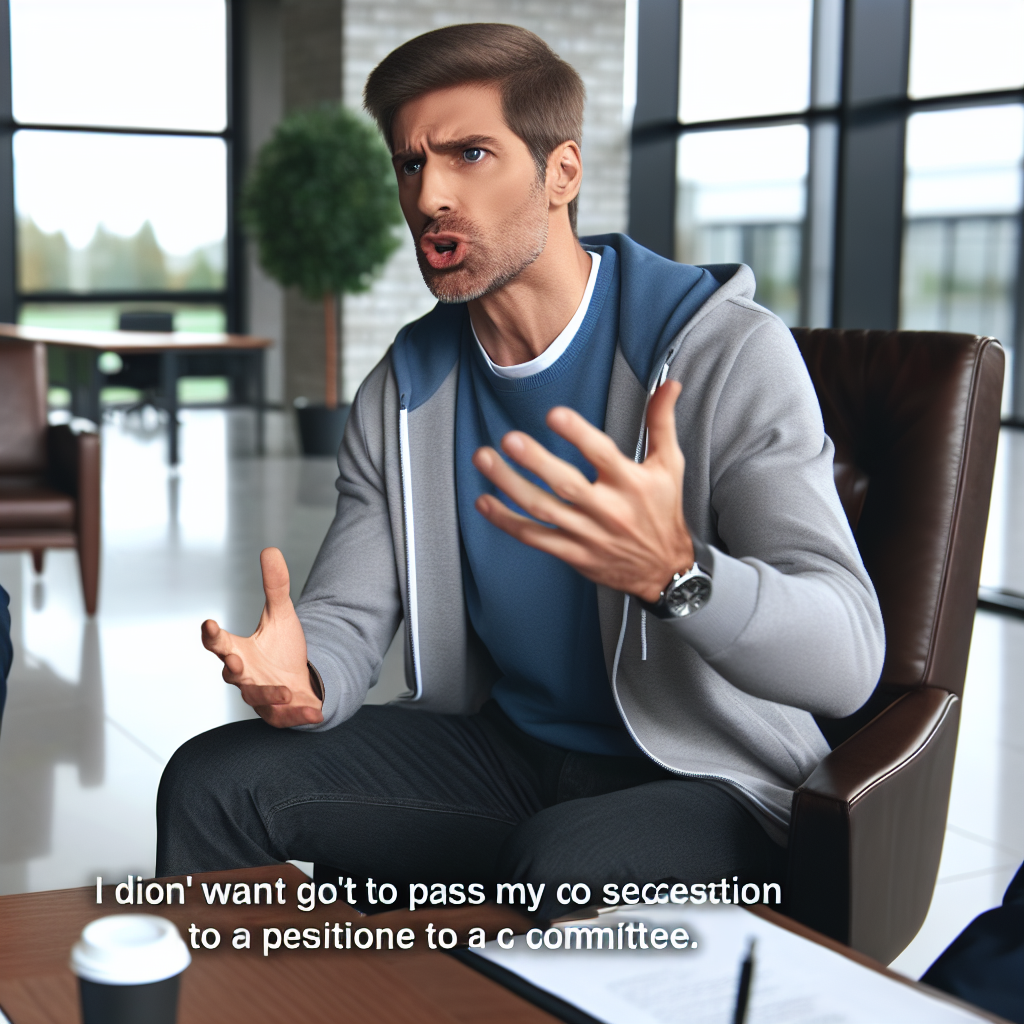
Matt Mullenweg on Succession: "I Don’t Want to Pass It to a Committee"
In the bustling world of tech and innovation, leadership succession in a dynamic company is a conversation of paramount importance. Recently, Matt Mullenweg, CEO of Automattic, opened up about his thoughts on succession within the company, offering insights that resonate with leaders across industries. This article delves into his perspectives on succession planning, the significance of having a clear successor, and the potential pitfalls of leaving decisions to a committee.
Understanding Automattic and Its Influence
What is Automattic?
Automattic is a significant name in tech, primarily known for developing and promoting the WordPress platform, which powers over 40% of the web. Founded in 2005, Automattic has been a hub for innovation, embracing open source principles and building products that shape the content creation and web publishing space.
Matt Mullenweg: The Visionary Leader
Matt Mullenweg, co-founder and CEO of Automattic, embodies a visionary leader who advocates for open source development and democratizing publishing. His leadership has been instrumental in steering Automattic to become a powerhouse in its industry, fostering a culture that values creativity, innovation, and inclusivity.
The Importance of Succession Planning
Why Succession Planning Matters
Succession planning ensures that the leadership baton in a company is passed smoothly, maintaining the continuity of vision and operations. Effective succession planning:
- Maintains stability: Avoids disruptions during leadership transitions.
- Preserves company culture: Keeps the company aligned with its core values.
- Ensures strategic direction: Protects the company’s future direction and objectives.
Matt’s Views on Succession Planning
Mullenweg has expressed his desire for a more personalized approach to succession rather than delegating to a group. For him, it’s crucial that a successor understands and shares the company’s vision and ethos. His reluctance to "pass it to a committee" speaks volumes about his commitment to preserving Automattic’s unique culture and mission.
The Potential Pitfalls of a Committee-Driven Approach
Lack of Clarity and Vision
When a committee handles succession, clarity of vision can become murky. Different members might have varied interpretations of the company’s path forward, which could lead to inconsistent leadership decisions.
Risk of Politics and Bias
A committee may face challenges such as:
- Internal politics: Influences that divert from selecting the best candidate.
- Bias: Subjective opinions might overshadow objective evaluation.
Slow Decision-Making
Committees often struggle with being agile, and when a crucial decision like succession is involved, delays can prove detrimental to the company’s momentum.
Mullenweg’s Approach: Personal Connection and Alignment
Identifying Potential Successors
Mullenweg may prefer identifying successors from within—those who already embody Automattic’s values and understand the intricacies of its operations. In this approach, he can ensure:
- Cultural alignment: Successors align with the company’s principles.
- Smooth transition: Reduced learning curves in leadership roles.
Mentorship and Development
Developing a successor isn’t just about identifying one but also nurturing their skills and leadership potential. Mullenweg’s approach likely focuses on:
- Active mentorship: Providing guidance and support to potential leaders.
- Skill development: Investing in the growth of internal candidates.
Succession Planning Lessons from Matt Mullenweg
Leadership Takes Time
The process of nurturing a leader isn’t instantaneous. As Mullenweg demonstrates, identifying and mentoring talent within requires patience and a keen eye for potential.
Trust in Personal Judgment
By preferring a direct approach over committee decision-making, Mullenweg underscores the importance of trusting personal judgment. This trust roots from a deep understanding of both the company and the individual’s capabilities.
Keeping the Company’s Best Interest
Ultimately, the priority is what is best for the company. Mullenweg’s commitment to finding a successor who aligns with Automattic’s mission demonstrates the significance of prioritizing the company’s values over procedural formalities.
The Road Ahead for Automattic
As Automattic continues its journey under Mullenweg’s leadership, the road ahead is filled with innovation and potential. With thoughtful succession planning, Automattic can ensure that its growth trajectory remains uninterrupted, staying true to its mission of democratizing publishing.
Conclusion: A Targeted Approach to Succession
In the fast-paced world of technology, Matt Mullenweg’s stance on succession planning is a lesson in clarity, alignment, and cultural resonance. By avoiding committee-led decisions, the focus remains sharp on selecting the right leader who reflects and furthers Automattic’s values and goals. This strategy not only ensures a seamless leadership transition but also secures the future direction of Automattic as it continues to shape the digital landscape.
This conversation isn’t just restricted to Automattic. It’s a broader lesson for organizations aiming to sustain their vision and impact over the years. Succession is not merely handing over a title; it’s ensuring that the company’s heart continues to beat with passion and purpose.
Through insightful leadership, Automattic and Matt Mullenweg offer a blueprint for future-thinking companies around the world.