
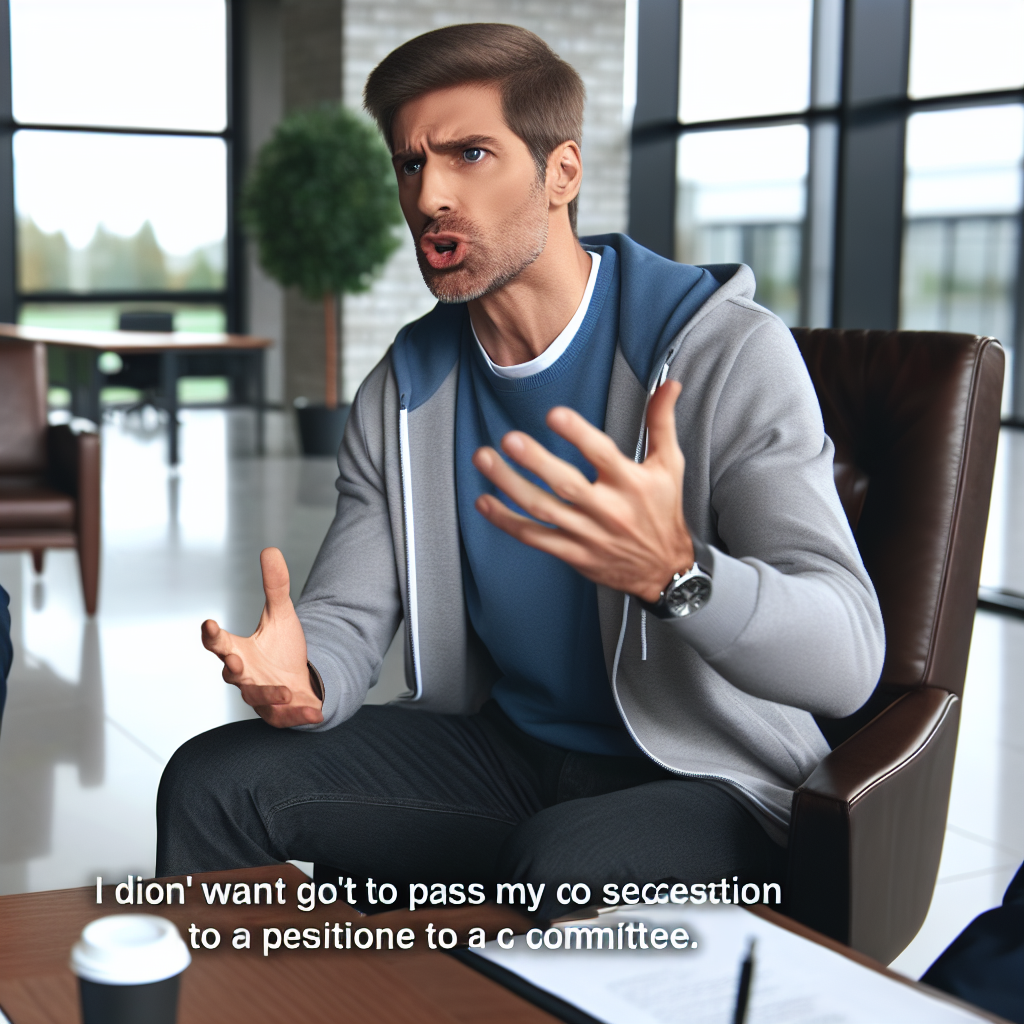
Matt Mullenweg on Leadership: Why the Automattic CEO Prefers Succession Over Committees
In the dynamic world of tech, leadership transitions can make or break a company. In recent discussions about succession planning, Automattic CEO Matt Mullenweg has expressed a clear vision: he doesn’t want to pass the reins to a committee. A visionary in the tech space, Mullenweg’s approach to leadership and succession offers insightful lessons for businesses worldwide. This article explores his views, underlining the importance of a seamless transition in leadership, the pitfalls of committee-driven leadership, and Mullenweg’s vision for Automattic’s future.
Understanding Automattic’s DNA
Founded in 2005, Automattic is synonymous with innovation and creativity on the internet. As the parent company of WordPress.com and several other tech products, Automattic empowers millions of websites globally. To appreciate Matt Mullenweg’s approach, it’s essential to first understand the core principles that guide Automattic:
- Open-source Philosophy: Automattic’s commitment to open-source technology has democratized web publishing.
- Remote Work Pioneer: Embracing a distributed workforce since its inception, Automattic exemplifies productivity beyond traditional office settings.
- Continuous Innovation: A strong emphasis on evolving and adapting to the digital landscape.
These pillars underscore every strategic decision at Automattic, including leadership transitions.
The Case Against Committee-led Succession
Lack of Clear Vision
Committees often suffer from an inherent flaw: the more people involved, the harder it is to form a unified vision. Without a singular guiding force, strategic innovation can become stagnant.
- Dilution of Responsibility: Clarity and accountability can get lost when leadership is shared across multiple committee members, leading to sluggish decision-making.
- Fragmented Objectives: Varied voices might prioritize short-term goals over a coherent, long-term strategy.
Stifled Innovation
A committee’s conservative risk approach can deter radical innovations.
- Hesitance Toward Risk: Committees are often inclined to play safe, potentially hindering bold strategies that drive major breakthroughs.
- Analysis Paralysis: The need for consensus can lead to exhaustive deliberations, slowing down implementation.
Matt Mullenweg’s Succession Ideals
A Singular Visionary Leader
Mullenweg advocates for a robust succession plan, promoting a successor who shares his visionary ethos.
- Unified Leadership: A single leader aligns efforts under one vision, ensuring coordinated strategic initiatives.
- Efficient Decision-making: A solo leader can react swiftly to digital shifts, maintaining competitive edge.
Fostering Leadership from Within
Promoting internal talent is a cornerstone of Mullenweg’s succession strategy.
- Cultural Continuity: Homegrown talents understand Automattic’s culture, facilitating smoother leadership transitions.
- Preservation of Values: Leadership from within ensures the perpetuation of Automattic’s founding principles.
Preparing for the Future
Mullenweg emphasizes readiness and adaptability.
- Leadership Development Programs: Initiatives to nurture potential leaders within the company.
- Scalability and Resilience: Ensuring Automattic remains scalable and resilient through changing market conditions.
Lessons in Succession Planning for Businesses
The Role of a Succession Blueprint
A formal succession plan is crucial for safeguarding business continuity.
- Risk Mitigation: Identifies potential risks and creates mitigation strategies in advance.
- Talent Retention: Demonstrates commitment to developing internal talent, encouraging retention.
Engaging with the Future
Anticipating industry shifts and preparing next-generation leaders are vital for staying relevant.
- Encouraging Innovation: Support a culture where creative solutions are valued.
- Adaptive Strategies: Foster a responsive business model that evolves with technological advancements.
Building a Strong Leadership Pipeline
Identify and develop key team members for leadership roles early on.
- Mentorship Programs: Facilitate the transfer of institutional knowledge.
- Cross-Department Exposure: Leaders gain a holistic understanding of the business.
Mullenweg’s Vision Beyond Automattic
Open-source Advocacy
Mullenweg’s commitment to open-source platforms extends beyond Automattic.
- Community Development: Encourage widespread participation in open-source projects.
- Accessibility and Inclusivity: Support technologies that make digital spaces accessible to all.
The Future of Remote Work
As a remote work pioneer, Mullenweg envisions a future where flexibility is a given.
- Global Talent Access: Breaking geographic boundaries and hiring the best talent worldwide.
- Work-life Balance: Promoting healthy work-life integration.
Conclusion: A Forward-thinking Succession Philosophy
Matt Mullenweg’s approach to leadership and succession at Automattic serves as a model for modern businesses. By prioritizing visionary leadership over committee decision-making, fostering in-house talent, and preparing for future challenges, Mullenweg is setting Automattic up for sustained success. His strategies offer invaluable insights for companies striving to thrive in the ever-evolving tech landscape.
In the words of Mullenweg, “The best way to predict the future is to create it.” As he shapes Automattic’s future, his influence transcends the company, impacting the broader world of tech and open-source innovation.