
Automattic’s Matt Mullenweg on Ensuring a Smooth CEO Succession Plan
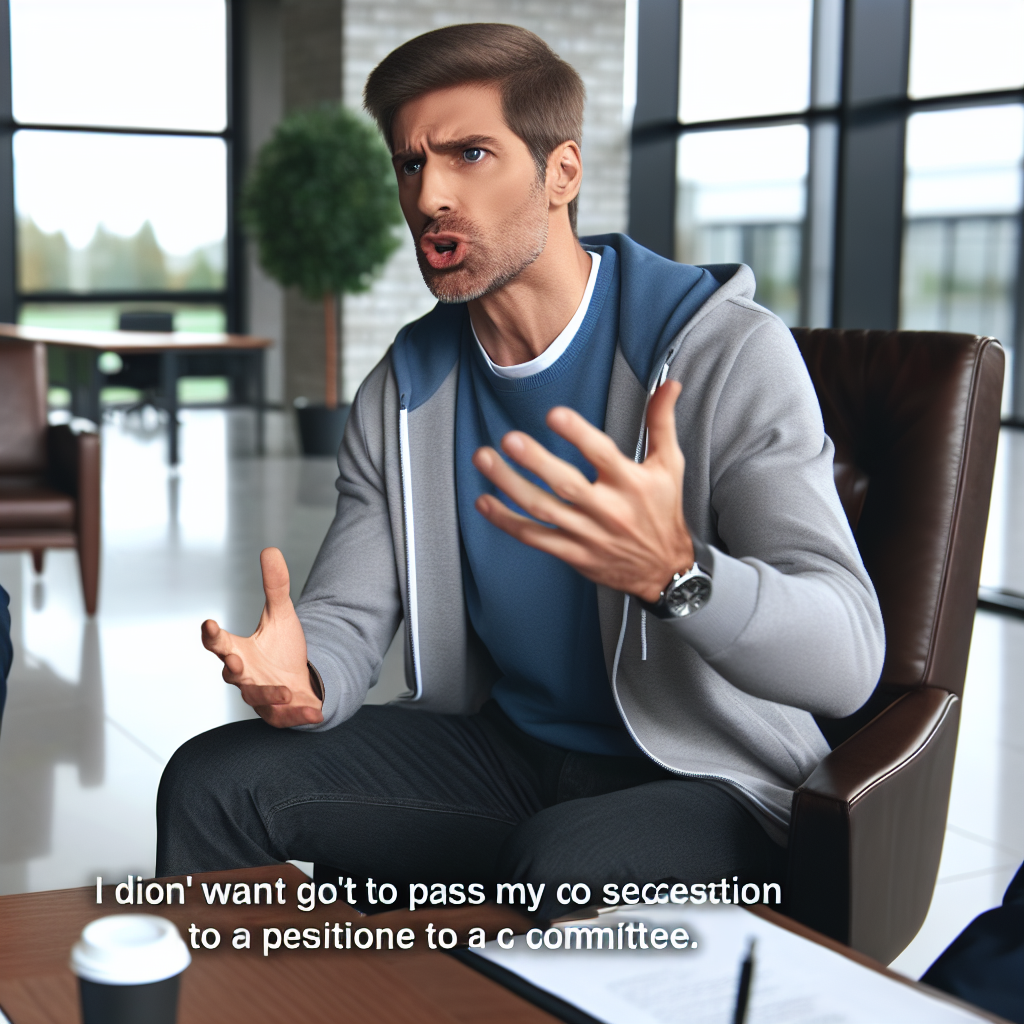
In the dynamic world of technology, where companies evolve at the speed of innovation, succession planning is a critical but often overlooked process. Matt Mullenweg, the visionary behind Automattic and co-founder of WordPress, is approaching this crucial aspect with a clear vision. His take on succession is clear: "I don’t want to pass it to a committee." This sentiment raises several interesting points about leadership, the future of Automattic, and the broader tech industry.
While corporations frequently rely on boards and committees to guide succession, Mullenweg’s approach signals a departure from conventional practices. Here’s a deep dive into why he’s thinking outside the box and what it means for the future of Automattic and its community.
Who is Matt Mullenweg?
Before delving into his thoughts on succession, let’s understand a bit about the man steering the ship at Automattic.
A Brief Biography
- Full Name: Matthew Charles Mullenweg
- Born: January 11, 1984, in Houston, Texas
- Education: Attended the University of Houston and studied Political Science (did not graduate)
- Notable Achievements: Co-founded WordPress in 2003, founded Automattic in 2005
Mullenweg is celebrated for co-creating WordPress, a platform that powers over 40% of all websites globally. Under his leadership, Automattic has grown into a multi-billion dollar company known for its innovative and distributed workforce.
The Unique Corporate Culture at Automattic
To understand why Mullenweg isn’t keen on leaving succession to a committee, one must first appreciate Automattic’s unique corporate culture.
Distributed Workforce
Automattic is famous for its remote-first work environment. This model allows the company to hire the best talent irrespective of their geographical location. This global and diverse perspective is a significant asset but also a logistical challenge for any future CEO.
Open Source Values
WordPress, Automattic’s flagship product, is based on open-source principles. This means fostering a community-driven approach rather than a top-down corporate environment. Future leadership must align with these principles to sustain the brand’s identity.
Innovation and Agility
In a rapidly changing tech landscape, Automattic thrives on innovation. A new leader must be deeply rooted in this principle to continue the company’s legacy of pioneering work.
Matt Mullenweg’s Vision for Succession
Why Not a Committee?
Mullenweg’s apprehension towards a committee-driven process could stem from:
- Lack of Agility: Committees can be slow to react due to bureaucratic hierarchies.
- Vision Dilution: A group decision may result in a compromise, diluting the core vision intended by the current leadership.
- Cultural Misfit: Committees might focus more on business metrics than on the cultural fit, which is crucial for Automattic’s unique environment.
Key Considerations for Succession
Mullenweg wants an approach that maintains Automattic’s core values and vision. Here are the factors he might be considering:
- Value Alignment: Ensuring the successor is not just business-savvy but also aligned with the open-source and inclusivity ideologies that fuel Automattic.
- Proven Leadership: The future leader must have a proven track record of managing distributed teams and fostering innovation.
- Transition Period: A well-thought-out transition plan to maintain momentum and ensure continuity.
Lessons from Tech Industry on Succession
The tech industry has seen varying approaches to succession. Let’s look at some examples for broader insights.
Steve Jobs and Tim Cook: Apple’s Blueprint
When Steve Jobs was stepping down, he personally groomed Tim Cook, ensuring a smooth transition. This highlights the importance of:
- Mentorship: Preparing the successor through mentorship helps in maintaining the company’s vision.
- Gradual Transition: A phased handover period ensures the new leader gains trust among employees and stakeholders.
Bill Gates and Satya Nadella: Microsoft’s Revival
Gates transitioned out of Microsoft focusing more on philanthropy, but when Nadella took over, he rejuvenated the company by:
- Embracing Cloud and Open Source: Nadella pushed Microsoft into cloud computing and embraced open-source collaboration, reshaping Microsoft’s future.
The Future of Automattic
Potential Successors
While Mullenweg hasn’t publicly named successors, internal or external candidates must meet certain criteria:
- Understanding of Open Source: A deep understanding and appreciation for open-source technology.
- Cultural Fit: The successor must fit well within Automattic’s inclusive and decentralized culture.
- Innovative Mindset: Continuously pushing boundaries with new ideas and projects.
Conclusion: A Roadmap for Sustainable Leadership
Matt Mullenweg’s stance on ensuring a careful succession process is a roadmap for preserving Automattic’s innovative spirit. The stakes are high, and getting it right is crucial for WordPress’s continued dominance and Automattic’s growth. A unilateral decision rather than a committee might just be the antidote the tech industry needs for authentic leadership transitions.
In sum, as companies face new-era challenges, Mullenweg position offers a glimpse into the delicate balance between legacy and innovation. Automattic’s future is indeed bright with a committed successor to carry forward Mullenweg’s pioneering vision. As we look ahead, one thing remains clear: the world will be watching closely.