
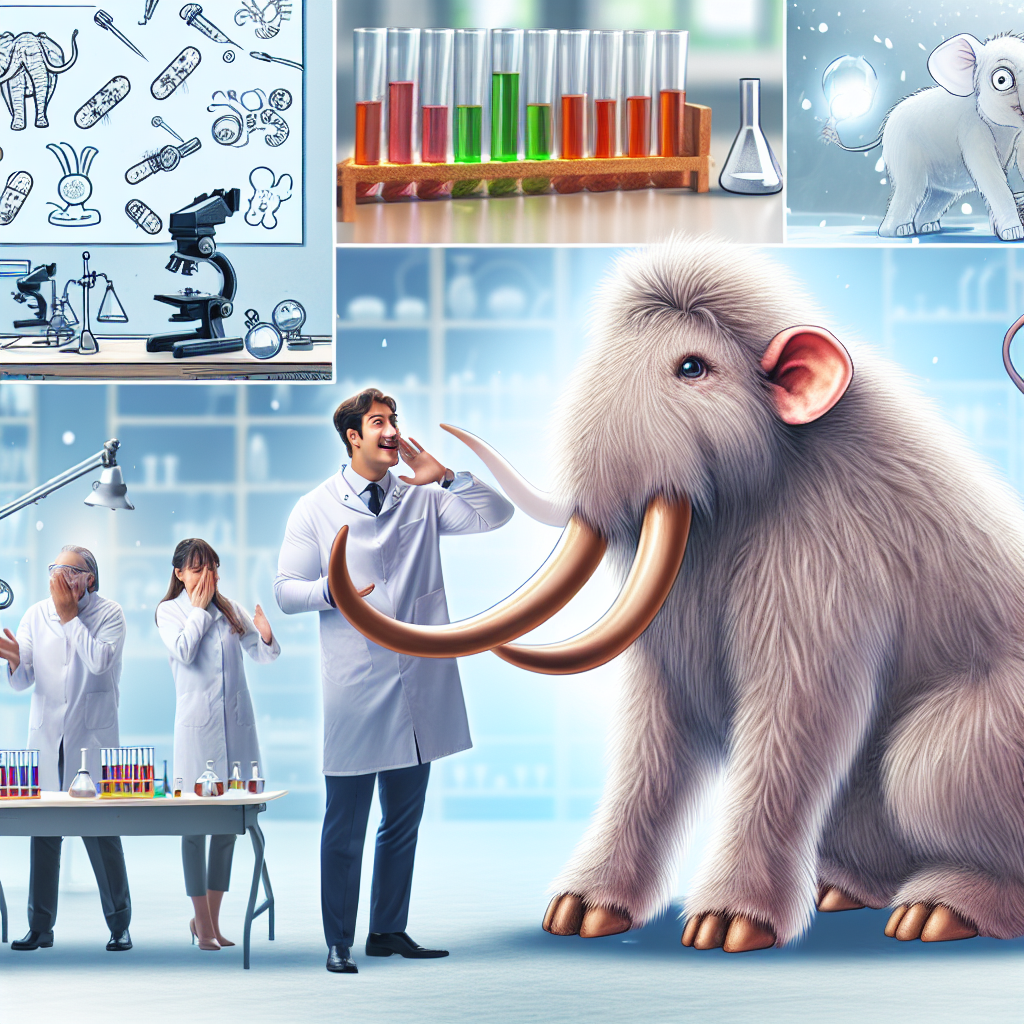
Reviving Extinct Giants: How Colossal Biosciences is Paving the Way with the Woolly Mouse
In the fascinating world of de-extinction, Colossal Biosciences is at the forefront, capturing the imagination of scientists and the public alike. While the ambitious goal to revive the woolly mammoth has garnered headlines, a groundbreaking milestone marks their journey: the creation of a woolly mouse. This small but significant step represents colossal strides in genetic engineering and de-extinction efforts.
The Vision Behind De-Extinction
Colossal Biosciences, founded with the mission to revive ancient species, is not just aiming for science fiction fantasies. The intention is to restore balance in ecosystems and combat climate change. The de-extinction of the woolly mammoth, a species that once roamed the vast tundras, could have profound environmental impacts by influencing plant growth and methane emissions.
Why the Woolly Mammoth?
- Ecosystem Impact: The reintroduction of woolly mammoths could help transform tundra into grasslands, sequestering carbon and altering albedo rates, ultimately influencing global temperatures.
- Biodiversity Benefits: Reviving extinct species can have cascading benefits on biodiversity, helping to restore the complex interplay of flora and fauna that existed millennia ago.
- Technological Advancements: The techniques developed for de-extinction have far-reaching applications in medicine, agriculture, and conservation of endangered species.
From Concept to Reality: The Woolly Mouse
While the end goal might be the woolly mammoth, creating a woolly mouse serves as an essential step for several reasons.
The Science Behind the Woolly Mouse
Developing the woolly mouse involves cutting-edge technologies that stand at the intersection of CRISPR gene editing, cloning, and synthetic biology. Here’s a look at the process:
- Gene Editing: CRISPR technology is used to introduce mammoth-specific genes into the DNA of mice, particularly genes responsible for traits such as thick hair, fat storage, and cold resistance.
- Cloning and Breeding: Through advanced cloning techniques, these genetically modified mice are bred to replicate and study the introduced traits across generations.
- Behavioral Studies: Understanding how these genetic traits express and function in the physical world provides key insights into the viability of mammoth de-extinction.
Lessons Learned from the Woolly Mouse Project
- Genetic Viability: Ensuring that newly introduced genes do not adversely affect overall genetic health is crucial. The woolly mouse project revealed critical insights into gene compatibility and expression.
- Ethical Considerations: The creation of transgenic animals raises ethical questions, prompting discussions on the boundaries of genetic manipulation.
The Broader Implications of Woolly Mammoth Revival
The woolly mouse sets a precedent for larger-scale experiments. But what does the future hold?
Environmental Impact
Reviving the woolly mammoth may have diverse impacts on modern ecosystems:
- Permafrost Preservation: The stomping behaviors of these animals are believed to compact snowy tundra, preserving the permafrost layer underneath.
- Flora Dynamics: By grazing on shrubs, mammoths could promote the growth of grasslands, which in turn helps sequester more carbon.
- Food Web Restoration: As a keystone species, mammoths play a vital role in maintaining the balance of their ecosystems, potentially aiding in the recovery of other species.
Technological Advancements
The knowledge gained from de-extinction projects is invaluable:
- Conservation Efforts: Techniques developed can aid in the conservation of endangered species, preventing current biodiversity losses.
- Human Medicine: Insights into genetic resilience and adaptability can inform medical research, potentially leading to breakthroughs in human health.
Challenges and Concerns
Despite the promise, de-extinction raises a variety of challenges:
- Ethical Concerns: The manipulation of life raises questions about conservation priorities and the extent to which humans should intervene in nature.
- Ecological Risks: Reintroducing species into modern ecosystems could have unintended consequences, potentially disrupting current ecological balances.
- Resource Allocation: The significant resources required for de-extinction projects could otherwise be used for the conservation of existing species that are at risk.
The Future of De-Extinction: Hope or Hubris?
Colossal Biosciences’ efforts—marked by the creation of a woolly mouse—represent not just a scientific endeavor but a philosophical one, forcing humanity to reckon with its role as caretaker of the Earth’s biodiversity.
Potential Benefits
- Biodiversity Restoration: A correctly managed reintroduction could serve as a model for restoring other lost or dwindling species.
- Innovation Catalyst: The challenges faced in de-extinction are expected to accelerate innovations across various scientific fields.
Cautionary Tales
- Ecological Balance: Any de-extinction initiative must be backed by rigorous ecological forecasts and impact studies to avoid negative repercussions.
- Public Perception: Educating the public and maintaining transparency in these projects is crucial to gain support and address ethical dilemmas.
In conclusion, the quest to revive the woolly mammoth by Colossal Biosciences, highlighted by the woolly mouse project, represents a blend of hope, science, and perhaps a touch of hubris. As we stand on the brink of potentially reviving the giants of the past, we’re reminded of the power and responsibility we hold over the future of our planet’s ecosystems.
The woolly mouse signifies more than a genetic success; it symbolizes the first steps of humanity’s most ambitious promise to return to and sustain a balanced natural world. Will these efforts herald a new era for conservation biology, or serve as modern cautionary tales of overreaching ambition? Like many pioneering endeavors, the outcome remains shrouded in possibility.