
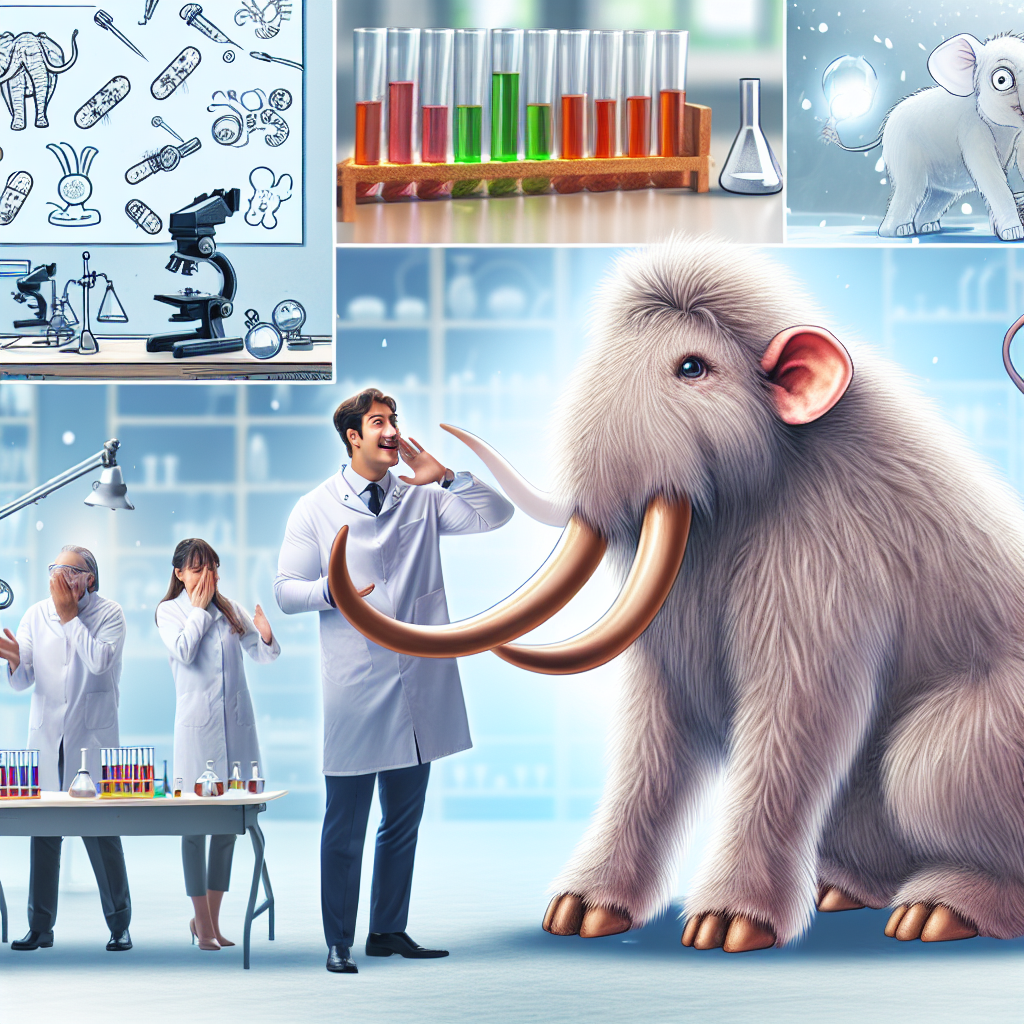
Bringing the Ice Age Back: Colossal Biosciences’ Fascinating Journey from Woolly Mammoth to Woolly Mouse
In recent years, technological advancements in genetics have pushed the boundaries of what was once thought biologically impossible. One of the most ambitious projects capturing the world’s attention is Colossal Biosciences’ quest to revive the extinct woolly mammoth, a giant from the Ice Age. But before they can bring back the majestic mammoth, an intriguing development has emerged—a woolly mouse. How did this tiny creature become a stepping stone on this grand scientific journey? Let’s dive into this captivating blend of science, innovation, and ethics.
The Vision of Colossal Biosciences
Colossal Biosciences, founded by George Church, a renowned geneticist, and Ben Lamm, a tech entrepreneur, has been in the spotlight for its groundbreaking goals. Their bold vision is to revive extinct species, beginning with the woolly mammoth, whose closest living relative is the Asian elephant. They aim to achieve this through genome editing technologies, primarily CRISPR-Cas9.
Why the Woolly Mammoth?
- Climate Change Combat: One of the compelling reasons for reviving the woolly mammoth is its potential to combat climate change. By reintroducing these herbivores, grasslands in the Arctic could be restored, which may help sequester atmospheric carbon.
- Scientific Curiosity: Beyond ecological benefits, the project satisfies deep scientific curiosity—understanding the mysteries of extinct species and ancient ecosystems.
From Woolly Mammoth to Woolly Mouse: A Strategic Step
Creating a woolly mouse is part of a deliberate strategy in the mammoth revival project. Knowing that the practicalities of cloning a mammoth carry hurdles, Colossal Biosciences decided to start with a more manageable organism.
Why a Woolly Mouse?
- Feasibility: Mice have a shorter reproductive cycle, making them ideal for experimentation and observation over multiple generations.
- Genetic Similarity: Mice share a significant amount of genetic material with other mammals, allowing scientists to test techniques and identify challenges before applying them to elephants.
The Science Behind the Woolly Mouse
To create the woolly mouse, scientists employed advanced genetic engineering to integrate specific mammoth genes responsible for traits like fur, subcutaneous fat, and cold tolerance. Here’s an overview of the process:
- DNA Sequencing and Synthesis: Mammoth DNA sequences were synthesized and spliced into the genome of a mouse—genes responsible for cold-resilient proteins and shaggy fur were included.
- CRISPR-Cas9 Editing: Using CRISPR-Cas9, scientists meticulously edited specific genes within the mouse DNA to mimic those of a woolly mammoth.
Ethical Considerations in De-Extinction
The ethics of de-extinction are complex and multidimensional. As Colossal Biosciences steps closer to creating the first woolly mammoth, several critical questions arise.
Concerns and Dialogues
Biodiversity Impact
- Introduced Species Risk: Could a reintroduced species become invasive or disrupt present ecosystems?
- Restoration vs. Disruption: While restoring ecosystems is a goal, there’s a risk of unforeseen consequences.
Welfare of De-Extinct Animals
- Life Quality: How will these animals be cared for to ensure a high quality of life?
- Natural Habitat: Is it ethical to modify an animal to fit an environment that no longer exists without the same natural ecosystem conditions?
Resource Allocation
- Scientific Resources: Are the resources spent on de-extinction justified when many current species face extinction?
Working Towards Ethical Standards
Colossal is committed to creating a bioethical framework that prioritizes ecological sustainability and animal welfare. Engaging with ecologists, ethicists, and scientists will be paramount in navigating these moral landscapes.
The Road Ahead: From Woolly Mouse to Woolly Mammoth
The creation of a woolly mouse is a small yet significant victory in a long journey. What’s next on Colossal’s agenda?
Collaborative Efforts
Research and development will fast-track as more institutions collaborate on this venture. Partnerships with universities and conservation organizations could accelerate mammoth de-extinction, with anticipated timelines aiming to see initial results within this decade.
Technological Advances
- Improved Genome Editing: As CRISPR technology advances, genetic modifications become more efficient and precise.
- Artificial Wombs: Sustaining mammoth embryos may require artificial wombs, a technology still under development but crucial for the project’s success.
Public Engagement
Colossal stresses the importance of public understanding and engagement. As part of their outreach, they plan to:
- Promote Transparent Communications: Regular updates and findings sharing will help demystify the process.
- Educate and Inspire: By creating educational content, Colossal aims to inspire a generation to invest in biodiversity.
Conclusion: A Future Rooted in the Past
The journey from woolly mouse to woolly mammoth encapsulates the wonders of modern science. What was once considered as mere speculative fiction is unfolding in real-time, presenting opportunities and challenges.
As Colossal Biosciences advances, they illuminate possibilities for innovations in genetics, biodiversity conservation, and ecological ethics. Whether or not a woolly mammoth will once again roam the Earth remains to be seen, but the pathway carved by these pioneering adventures heralds a new era where reviving the past may well play a pivotal role in shaping the future.