
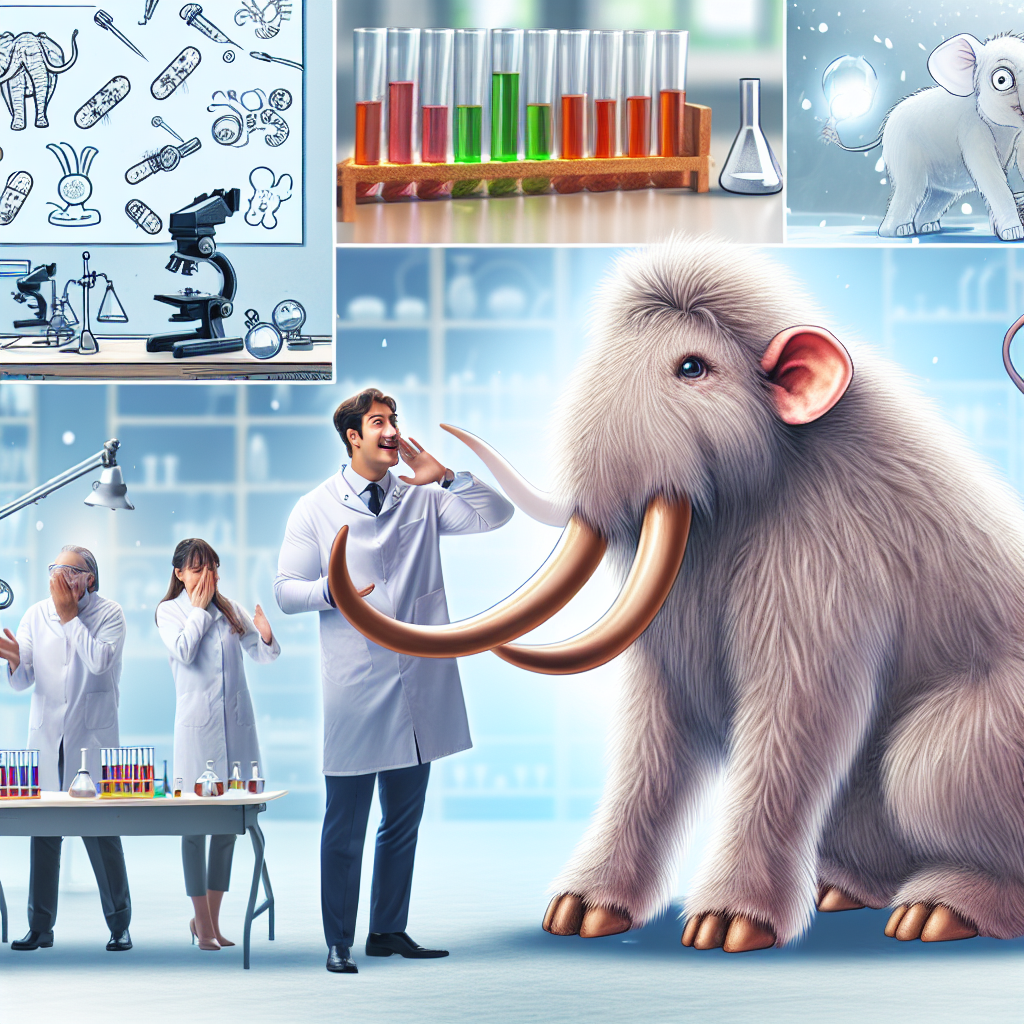
The Mammoth Ambition: How Colossal Biosciences is Pioneering Genetic Resurrection with the Woolly Mouse
In a groundbreaking endeavor that blurs the lines between science fiction and real-world biology, Colossal Biosciences is spearheading efforts to bring back one of the most iconic creatures of the Ice Age—the woolly mammoth. While this majestic beast has captivated imaginations for generations, the quest to resurrect it has now taken an innovative twist with recent developments. Enter the woolly mouse, a genetically engineered precursor that symbolizes an extraordinary leap forward in de-extinction science.
A Modern Jurassic Park: The Science of De-Extinction
The Genesis of De-Extinction
The concept of de-extinction, often compared to the mythical ethos of Jurassic Park, involves using advanced genetic engineering techniques to revive extinct species. Here’s how it began:
- DNA Recovery: Scientists have long since practiced recovering fragments of ancient DNA from fossilized remains.
- CRISPR Technology: The advent of genetic editing tools like CRISPR-Cas9 revolutionized possibilities, allowing for precise genetic manipulations.
Why the Woolly Mammoth?
The woolly mammoth presents a tantalizing subject for several scientific reasons:
- Plaque-free DNA: Unlike many other extinct species, woolly mammoth DNA is often found in ice, providing relatively better-preserved genetic material.
- Close Relatives: The woolly mammoth’s closest living relative, the Asiatic elephant, makes it easier to swap out genetic code required to create a woolly mammoth-like organism.
From Vision to Reality: The Woolly Mouse
The Creation of the Woolly Mouse
Colossal Biosciences’ recent breakthrough—the creation of a genetically engineered woolly mouse—is a strategic move toward reviving the woolly mammoth. Here’s how it aligns with their broader mission:
The Engineering Process
- Gene Selection: Scientists selected genes responsible for adaptations in cold environments, such as the mammoth’s ear size, fat layers, and woolly coat.
- Gene Insertion: These genes were inserted into the genome of a mouse, serving as a model organism to study the characteristics and viability of mammoth-like traits.
Why a Mouse?
- Quick Reproduction: Mice have short generational spans, allowing rapid observation of genetic changes.
- Short Lifespan: The short lifespan aids in studying the long-term viability of genetic modifications over multiple generations.
Implications and Discoveries
- Epigenetics: Studying the mouse could reveal how ancient genes express themselves in a modern context.
- Environmental Adaptability: Observations may indicate how modified animals might adapt if introduced into habitats resembling their ancient environments.
Ethical and Environmental Considerations
Navigating Ethical Dilemmas
Undeniably, manipulating life at such a fundamental level raises significant ethical questions:
- Biodiversity Concerns: Would reintroducing these creatures upset current ecosystems?
- Animal Welfare: How do scientists ensure the welfare of genetically engineered organisms?
Environmental Impact
Introducing an engineered species like the woolly mammoth could have both beneficial and detrimental impacts on today’s ecosystems:
- Habitat Restoration: Mammoths may help restore bygone ecosystems, such as the Arctic steppe.
- Unintended Consequences: Potential unforeseen effects on existing flora and fauna.
A Peek into the Future
What Lies Ahead?
With the woolly mouse marking a crucial milestone, the future could see several developments:
- Woolly Elephant Hybrids: Further incorporation of mammoth genes into elephant DNA might create hybrids, closely resembling historical mammoths.
- Reviving Entire Ecosystems: Successfully bringing back mammoths could ferry larger efforts to restore ancient ecosystems.
The Scope Beyond Mammoths
Colossal Biosciences’ vision extends beyond woolly mammoths:
- Passenger Pigeons: Reviving the once prolific passenger pigeons.
- Tasmanian Tigers: Efforts toward reanimation of the long-extinct marsupial carnivore.
Conclusion
The concept of de-extinction teeters on an exciting yet precarious edge, blending hope with caution. By creating a woolly mouse, Colossal Biosciences is paving the path toward a reality where extinct animals may once again roam our planet. As the world watches closely, it is clear that this ‘mammoth’ ambition is ready to shake the foundation of genetic science and environmental conservation alike.
In essence, these advancements showcase incredible potential to tinker with life’s blueprints. As we venture further into this genetic frontier, the woolly mouse stands as a testament to what’s possible when ambitious science meets our curiosity about the ancient past.