
The Woolly Mouse: A Quirky Step Towards Reviving the Woolly Mammoth?
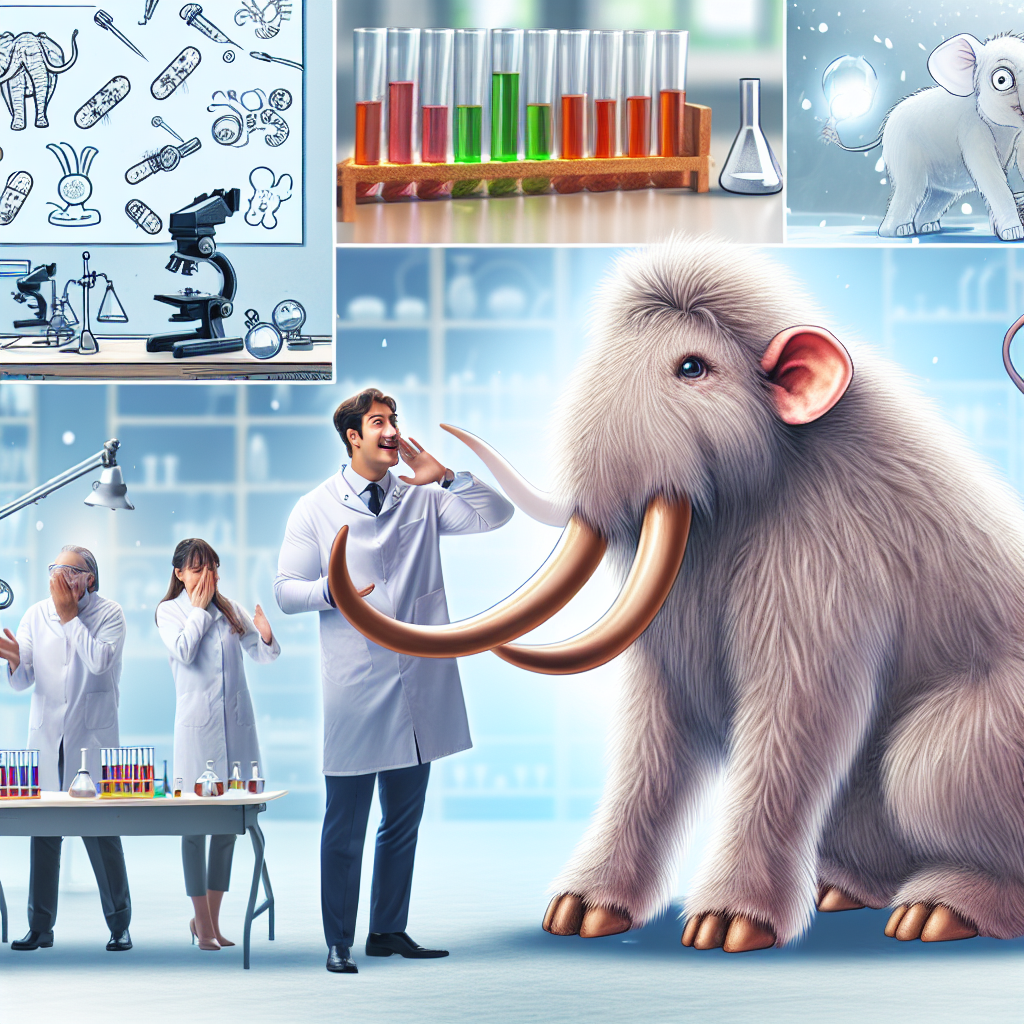
Imagine seeing a woolly mammoth ambling through the frozen tundras once again. This grand possibility, which sounds like something out of a science fiction novel, might soon become reality, thanks to the ground-breaking efforts of Colossal Biosciences. As part of their ceaseless innovations in de-extinction biotechnology, the company has embarked on an exhilarating quest, where the creation of a woolly mouse has become a fascinating milestone. But what exactly does this mean for the future of mammoth revival? Let’s explore the captivating journey from woolly mouse to woolly mammoth.
The Mammoth Ambition of Colossal Biosciences
Colossal Biosciences, a pioneering genetic engineering company, has dared to dream what many dismissed as impossible — bringing extinct species back from oblivion. Their ultimate goal? Reviving the majestic woolly mammoth, a creature whose extinction has often been lamented by scientists, historians, and nature lovers alike.
The Role of Genetic Engineering
Central to their mission is the revolutionary science of genetic engineering. By harnessing CRISPR technology, they aim to edit the genes of an existing animal – in this case, the Asian elephant, which shares a significant proportion of its DNA with the extinct mammoth.
Key Steps in the Process:
- Gene Sequencing: Mapping the woolly mammoth genome using preserved DNA found in permafrost.
- Gene Editing: Integrating mammoth-specific traits, such as hairiness and fat storage, into the genome of the elephant.
- Clone Creation: Developing embryos with modified genomes, leading to the birth of hybrids.
Why Revive the Woolly Mammoth?
Ecological Reasons:
- Ecosystem Restoration: Mammoths played a crucial role in maintaining the permafrost and grasslands. Their return could restore these environments and mitigate climate change effects.
- Biodiversity Boost: Adding mammoths back to the ecosystem could increase ecological diversity and functionality.
Ethical and Cultural Perspectives:
- Human Interest: Reinstating a species long considered the mascot of the Ice Age could satiate our innate curiosity and reverence for ancient creatures.
- Scientific Valor: Achieving this feat would mark a significant leap in technological prowess and biological understanding.
From Mighty Mammoth to Miniature Mouse
The journey towards mammoth revival has taken a curious turn with the creation of a "woolly mouse." Why, you might wonder, would scientists start with such a minuscule mammal?
Purpose Behind the Woolly Mouse Experiment
- A Testing Ground: Woolly mice serve as ideal subjects for testing gene editing techniques in a controlled, less risky manner than larger animals.
- Proof of Concept: Demonstrating the efficacy of mammoth genes when transposed into a living organism.
- Time & Cost Efficiency: Mice have short reproduction cycles, allowing rapid observation of genetic outcomes across multiple generations.
Characteristics of the Woolly Mouse:
- Fur Texture: Displaying hairier coats resembling those of the woolly mammoth.
- Adaptation Traits: Features such as increased fat storage for insulation in cold environments have been observed.
Insights Gleaned from Woolly Mice
The information gathered from these genetically altered mice has far-reaching implications, as it paves the way for scaling up the project to larger animals, like elephants. Researchers are learning invaluable lessons about:
- Gene Compatibility: Ensuring the seamless adoption of mammoth genes in diverse hosts.
- Genetic Stability: Monitoring potential mutations and health impacts over time.
- Behavioral Studies: Observing how introduced traits affect animal behavior and ecological roles.
The Road Ahead: Challenges and Hurdles
Scientific Hurdles
Though exciting, the field of de-extinction harbors significant challenges:
-
Ethical Concerns: The morality of resurrecting extinct species continues to spark debate.
- Playing God: Questions arise about human intervention in natural extinction.
- Animal Welfare: Concerns about the well-being of engineered creatures.
- Technical Challenges:
- Genome Reconstruction: Gaps in the ancient DNA sequences may hinder comprehensive reconstruction.
- Hybrid Viability: Ensuring hybrids, like potential mammoth-elephant offspring, are healthy and capable of thriving.
Environmental and Societal Impact
Understanding these barriers is critical to responsibly navigating the road ahead:
- Ecosystem Impact: Introducing species, even those that have gone extinct, must consider current ecological dynamics to avoid unintended consequences.
- Public Perception: Garnering societal support and addressing misconceptions is necessary for progressing forward.
Conclusion: A Mammoth Task Worthwhile?
The creation of the woolly mouse stands as a testament to the unwavering ambition and ingenuity of our time. Colossal Biosciences’ quest to revive the woolly mammoth pushes the boundaries of science, posing profound questions about our interactions with nature and technology. While the path is strewn with challenges, the potential rewards — from ecological restoration to novel scientific insights — are immense.
Whether science ultimately succeeds in reviving the woolly mammoth or not, the endeavor itself enriches our understanding of life’s framework and the possibilities within. As we marvel at the woolly mouse’s whimsical role in this mammoth quest, we are reminded of the power of imagination, innovation, and the incredible mysteries yet to unfold. Stay tuned as the world keeps a close watch on this unfolding tale of scientific evolution!