
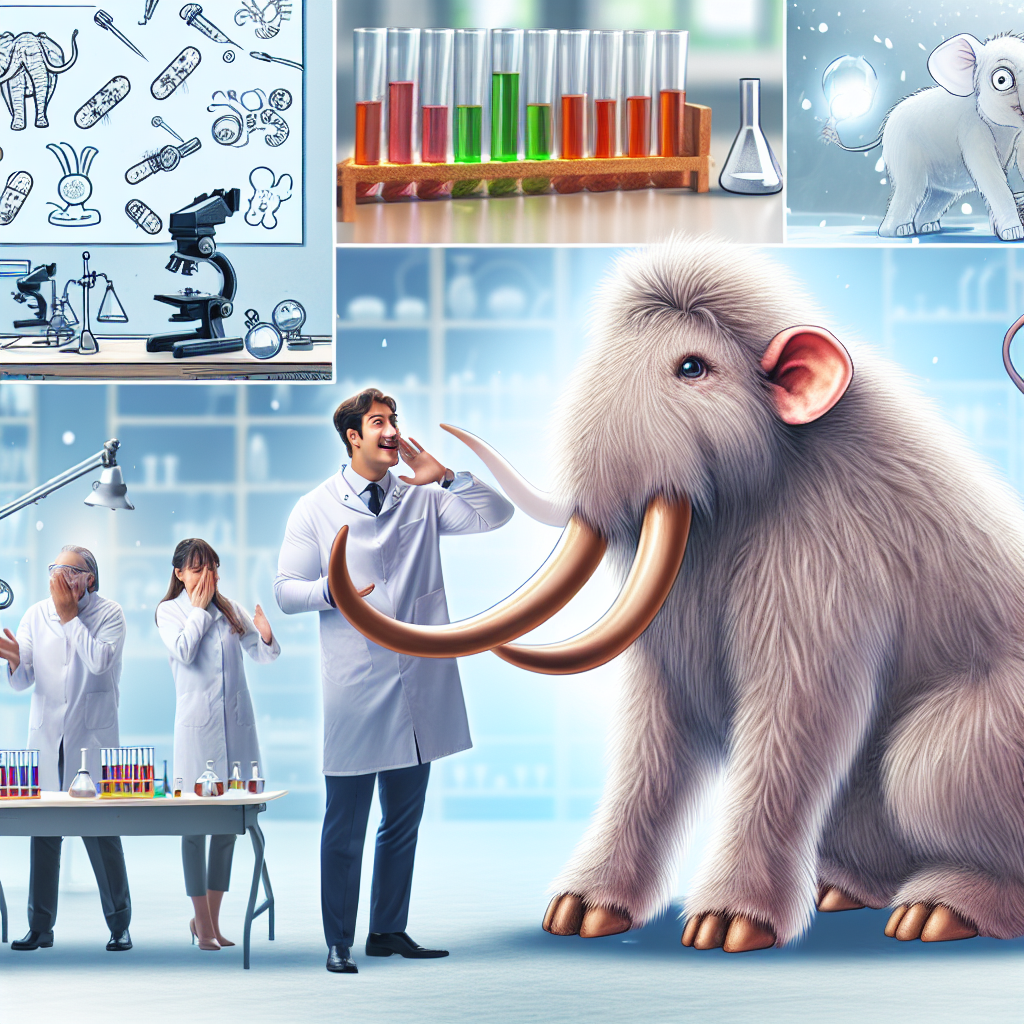
Unraveling the Past: Colossal Biosciences’ Ambitious Journey to Revive the Woolly Mammoth
In a world where technology is evolving at breakneck speed, the line between science fiction and reality often becomes blurred. One such fascinating endeavor is unfolding at Colossal Biosciences, where researchers are on a quest to resurrect the long-extinct woolly mammoth. However, before you envision gigantic, furry elephants roaming the Earth once more, it’s important to dive into the details and understand the implications of their latest creation: the woolly mouse. What might seem like a strange detour is actually a breakneck leap toward de-extincting a creature that has captured human imagination for centuries.
The Science Behind Woolly Revival
The Concept of De-extinction
At the core of Colossal Biosciences’ ambitious aim is the idea of de-extinction. This concept isn’t just about bringing back a vanished species; it’s about rebuilding ecosystems and gaining profound insights into biology.
- Genetic Engineering Tools:
- CRISPR-Cas9: A pivotal tool in gene editing, allowing scientists to make precise, targeted changes to the genome of living organisms.
- Genome Sequencing: Analyzing the complete DNA sequence of an organism to replicate it or make necessary modifications.
De-extinction aims to use these tools to introduce extinct alleles (alternative forms of a gene) into a close living relative, effectively “resurrecting” the extinct species.
The Role of the Woolly Mouse
The development of a woolly mouse is an integral stepping stone in this journey. By creating a mouse with mammoth-like traits, researchers can:
- Test genetic theories and methods on a smaller, more manageable scale.
- Observe the expression of mammoth genes in a living organism.
- Identify potential challenges that might arise in more complex creatures like elephants.
Colossal Biosciences’ Road Map to Resurrecting Giants
Standing at the forefront of synthetic biology, Colossal Biosciences has outlined a series of steps that form their roadmap to bringing the woolly mammoth back to life:
Step 1: DNA Recovery and Reconstruction
The process begins with the painstaking effort of recovering ancient DNA from preserved mammoth remains. This DNA is often fragmented and degraded but can be reconstructed:
- Paleogenomics: This scientific field specializes in sequencing ancient DNA, reconstructing the mammoth genome.
- Comparison with modern Asian elephants (the mammoth’s closest living relatives) to identify critical genes responsible for traits like thick fur and fat layers.
Step 2: Creating the Hybrid
Using CRISPR technology, scientists can insert the mammoth-specific genes into the genome of an Asian elephant. However, before taking this mammoth leap, they practice on smaller rodents, i.e., the woolly mouse:
- Gene Insertion: Transfer specific characteristics such as cold-resistance traits from mammoth DNA into the mouse genome.
- Development Monitoring: Observe how these genes influence organism growth, behavior, and physiology.
Step 3: Elephant Surrogates
Once successful on a rodent scale, the modified genetic material can be used to create embryos implanted in surrogate elephant mothers:
- Surrogacy Considerations: Identifying surrogate mothers who are both genetically compatible and can carry the embryos to term.
- Ethical and Biological Challenges: Addressing concerns about animal welfare and ensuring the ecological balance isn’t disrupted.
Impact of Reviving the Woolly Mammoth
While the technological prowess of this undertaking is thrilling, the potential impacts carry both exciting and cautious possibilities:
Ecological Advantages
Bringing back the woolly mammoth could transform ecosystems, particularly across Siberian tundras:
- Permafrost Preservation: Mammoths’ grazing habits and movement could help maintain colder soil temperatures, slowing permafrost melting.
- Replace the ecological roles that mammoths once played, potentially revitalizing barren landscapes.
Ethical and Conservation Considerations
As the line between biological possibility and moral responsibility blurs, several ethical considerations arise:
- Conservation Focus: Critics argue that such efforts divert attention and resources from conserving endangered species currently alive.
- Synthetic Life Concerns: Understanding whether generating creatures like the woolly mammoth should be considered a victory for science or a folly in playing nature.
The Future of De-Extinction
The woolly mouse is just one snapshot of Colossal Biosciences’ ambitious endeavor. The future of de-extinction will likely see accelerated interest and achievements, but with this comes the necessity to:
- Foster international collaborations to pool resources, knowledge, and ethical guidelines.
- Balancing innovation with ethical stewardship and a focus on ecological integrity.
So, will we one day share the world with woolly mammoths and other long-gone creatures? Only time will tell. However, what’s certain is that Colossal Biosciences’ groundbreaking research continues to push the envelope of what’s possible, unlocking both the secrets of the past and the potential futures of life on Earth.
Explore more fascinating insights and stay updated on the latest breakthroughs in genetic technology with us as we track this incredible journey from woolly mouse to mammoth grandeur.