
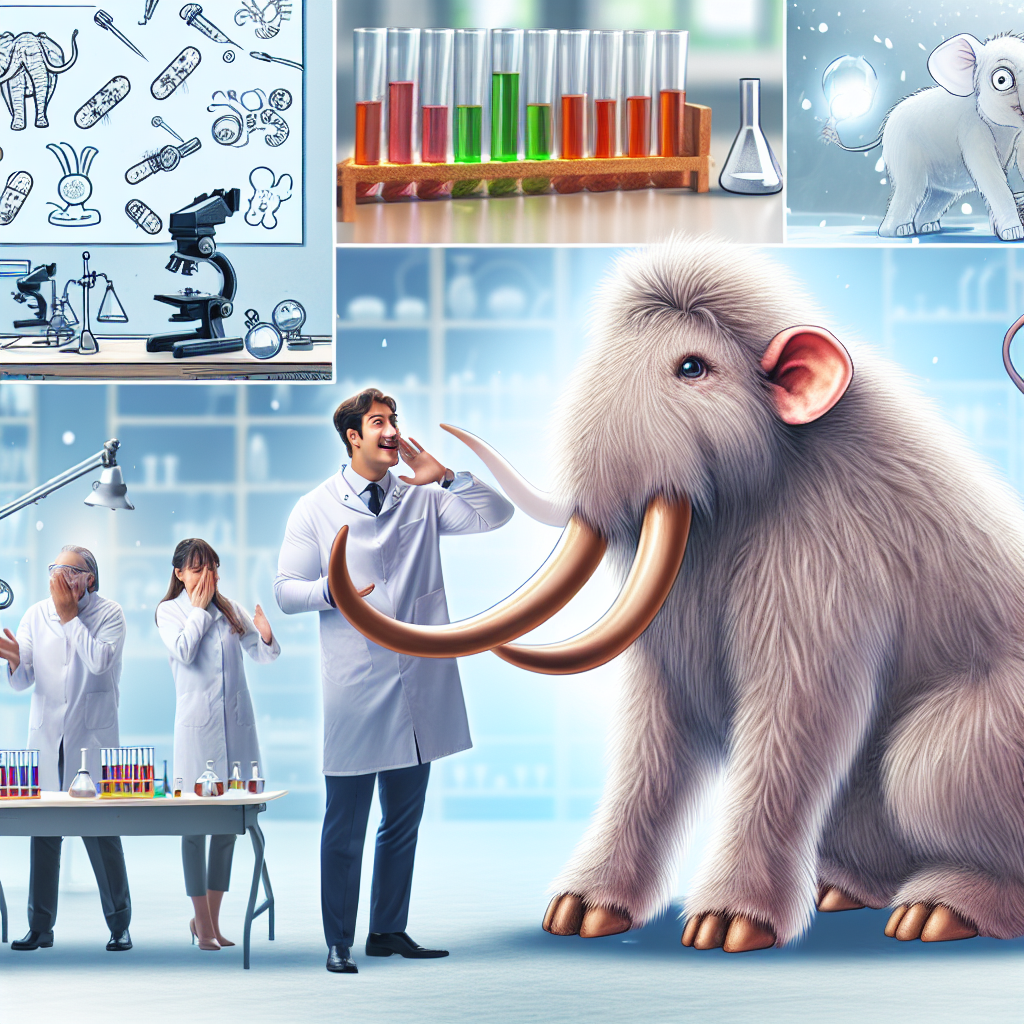
Resurrecting Giants: How Colossal Biosciences Aims to Revive the Woolly Mammoth Starting with a Woolly Mouse
Introduction
Imagine a world where the iconic woolly mammoth once again roams the tundra. A world where scientific innovation turns back the clock, breathing life into ancient animals that have long been extinct. While this might sound like the synopsis of a science fiction film, it is indeed the present-day quest of Colossal Biosciences, a pioneering company that has already made a significant breakthrough by creating a woolly mouse. As ambitious as this project may seem, it is a remarkable blend of cutting-edge technology, genetic engineering, and a vision that stretches beyond traditional conservation efforts. This article dives into how Colossal Biosciences is spearheading the initiative to bring back these colossal creatures and the role a humble woolly mouse plays in achieving this grand ambition.
The Mission of Colossal Biosciences
Who is Colossal Biosciences?
Colossal Biosciences emerged as a visionary company founded by entrepreneur Ben Lamm and renowned geneticist George Church. Based in Texas, their mission is explicitly ambitious: to leverage genetic engineering to bring back extinct species and help rebalance ecosystems.
The Vision Behind De-Extinction
The notion of de-extinction not only captures the imagination but also raises essential ecological and ethical considerations. Woolly mammoths, which went extinct roughly 4,000 years ago, play a critical role in the ecosystem of the Arctic tundra. Their revival promises potential benefits such as:
- Influencing Climate Change: By knocking down trees, mammoths once allowed grasslands to flourish, reflecting solar radiation more effectively.
- Reviving Ecosystems: Restoring lost flora and fauna that depend on these keystone species.
- Innovative Scientific Advancements: Pioneering new methods in genomics and biotechnology.
The Science Behind the Woolly Mouse
From Genome Sequencing to Genetic Engineering
The journey from ancient creatures to today’s scientific endeavors begins with extensive genome sequencing. Colossal Biosciences’ scientists have sequenced the woolly mammoth’s DNA and are using the closest living relatives, the Asian elephants, as genetic templates.
Creating the Woolly Mouse as a Proof of Concept
The creation of a woolly mouse is just one step in a meticulous series of experiments towards resurrecting the woolly mammoth. This process involves:
- CRISPR Technology: Utilizing CRISPR-Cas9 to edit specific genes crucial for cold adaptation, like layers of fat and shaggy hair.
- Laboratory Cultivation: Developing these traits initially in a smaller, more manageable animal like a mouse.
- Iterative Improvements: Each genetic modification provides insights to refine and enhance future mammalian adaptations.
Why Start with a Mouse?
Using mice offers several advantages:
- Shorter Breathing Cycle: Faster generation times mean quicker results and iterative learning.
- Cost-effectiveness: Reduced costs associated with genetic planning and laboratory space.
- Observable Changes: Changes in size and physiological traits can be more quickly observed.
Challenges and Ethical Considerations
The Complexities of De-Extinction
Though the pathway to de-extinction is thrilling and packed with promise, it comes with its own set of complex challenges and ethical considerations:
Ecological Risks
- Unintended Consequences: Introducing a species into today’s environment might lead to unforeseen ecological changes.
- Genetic Diversity: Maintaining a genetically healthy population is crucial for avoiding bottlenecks.
Ethical Debates
- Animal Rights: Concerns about the welfare and survival of resurrected species in the wild.
- Conservation Prioritization: Debates about whether resources should instead focus on preserving current endangered species.
Technological Limitations
Each step forward on this journey encounters hurdles such as:
- Complexity in Genome Editing: The more evolved an animal, the more intricate the genetic machinery.
- Technological Gaps: Bridging gaps between the theoretical aspects of genetics and practical, observable results.
The Potential Global Impact
Scientific Community and Investors
With backing from the scientific community and visionary investors, Colossal Biosciences’ groundbreaking work sparks both fascination and debate. Investment not only pours into genetic research but also propels advancements in biotechnology and ecological studies.
Benefits Beyond Science Fiction
Reviving the woolly mammoth stands to influence more than just academic curiosity:
- Education and Awareness: Inspires a new generation of scientists and conservationists.
- Policy Development: Forces the re-evaluation of laws around genetic engineering and wildlife conservation.
- New Conservation Strategies: Offers innovative strategies to combat contemporary ecosystem deteriorations.
Conclusion: The Journey Towards De-Extinction
Colossal Biosciences, with its ambitious vision and bold commitment to the return of the woolly mammoth, continues to tread a fascinating line where technology meets natural history. From creating a woolly mouse as an initial stepping stone to the greater challenge of bringing back giant ancestors, each milestone is a testament to human ingenuity, curiosity, and a desire to rectify the ecological imbalances of the past.
As the world watches with anticipation, the revival of the woolly mammoth stands not just as a testament to what humanity can achieve, but as a lesson in ecological responsibility and a harbinger of the potential capabilities of genetic science in shaping the future of our planet.