
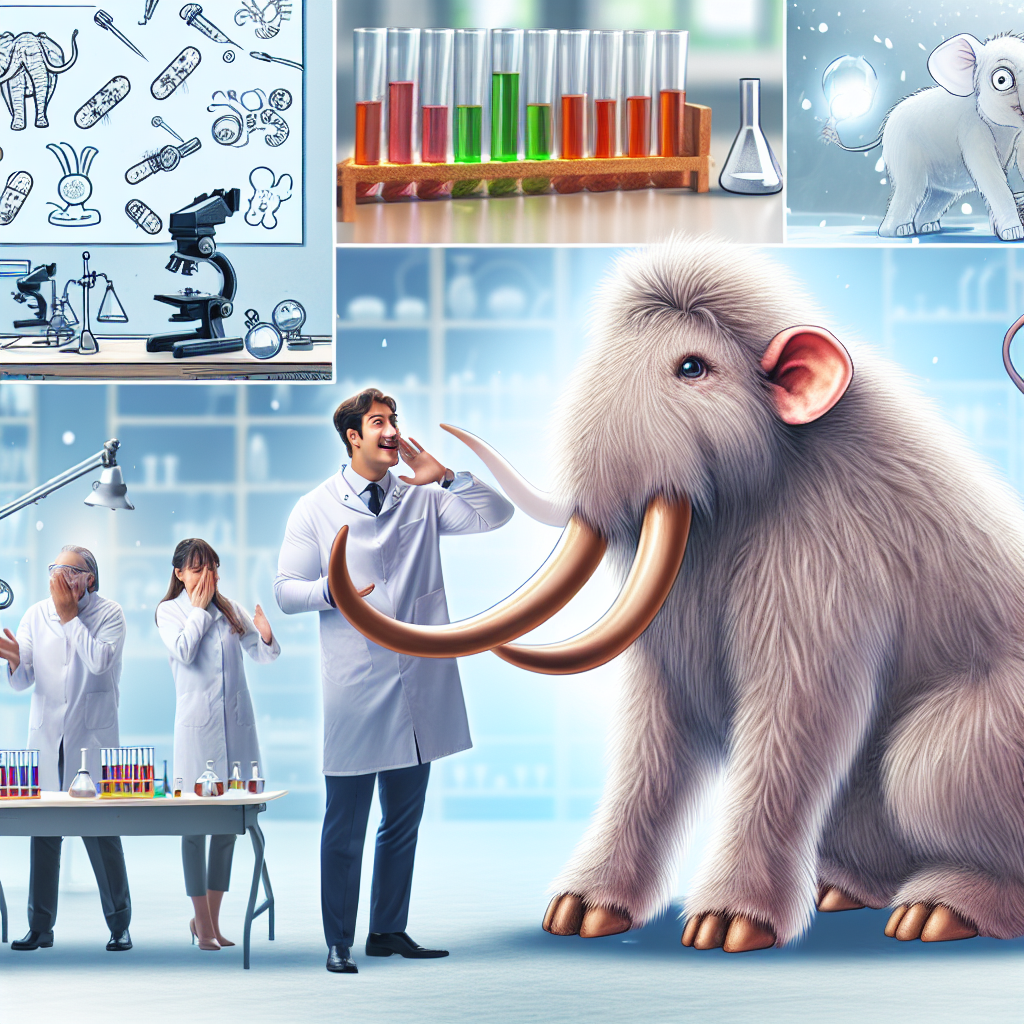
Bringing Back the Giants: Colossal Biosciences’ Ingenious Step with the Woolly Mouse
In the picturesque landscape of scientific innovation, Colossal Biosciences is embarking on an audacious expedition into the realm of de-extinction. This pioneering company has taken the first tangible stride toward resurrecting the iconic woolly mammoth with a groundbreaking project: creating the "woolly mouse." This initiative, steeped in cutting-edge science and a dash of audacity, is reshaping our understanding of genetics and conservation. Dive in to uncover how Colossal Biosciences bridges past and future by engineering the seemingly impossible.
Unraveling the Mammoth’s Legacy
Once towering over the icy vastness of the tundra, the woolly mammoth is more than a symbol of the Pleistocene epoch—it’s an emblem of ecological wisdom and natural history. Extinct for thousands of years, these majestic creatures have long fascinated scientists and the public alike. But why is there such a compelling need to bring them back?
The Woolly Mammoth: A Keystone Species
The woolly mammoth wasn’t just a large creature; it played a crucial role in its ecosystem. As a keystone species, it influenced vegetation patterns and maintained the balance within its habitat. The resurgence of mammoths could potentially rejuvenate ecosystems that have shifted in their absence.
- Vegetation Control: By grazing on low-lying plants, mammoths prevented the overgrowth of shrubs and trees, which, paradoxically, maintained the grasslands.
- Soil Aeration: Their movements helped aerate the soil, fostering nutrient cycling.
- Climate Impact: Their presence could potentially counteract thawing permafrost by trampling snow, inhibiting heat transfer and maintaining global ecosystems.
Colossal Biosciences: Engineering the Future
Colossal Biosciences, co-founded by geneticist George Church, stands at the forefront of de-extinction. Their novel solution? Converting cutting-edge biotech innovation into a tool powerful enough to navigate evolutionary history. Here’s a detailed view of how they’re achieving this.
The Science Behind the Woolly Mouse
Colossal Biosciences’ plan to bring the woolly mammoth back includes first perfecting their genetic tools on more accessible organisms, such as mice. The woolly mouse represents a miniature yet significant advancement.
Gene Editing: The Heart of Innovation
- CRISPR Technology: At the core of their research lies CRISPR, the gene-editing tool that allows scientists to alter DNA with unprecedented precision.
- Gene Sequencing: Researchers identified mammoth genes responsible for cold adaptation—such as hair growth and fat storage—and transferred these to the model organism, the mouse.
- Trial and Optimization: Creating a woolly mouse isn’t just about inserting mammoth DNA; it’s an iterative process that demands refining genetic compatibility and expressions.
**Decoding the Process:**
1. Extract DNA from preserved woolly mammoth remains.
2. Identify key genetic traits that allowed mammoths to thrive in cold environments.
3. Insert these genes into the genome of a close relative, the Asian elephant, or experimental models like mice.
4. Monitor, tweak, and perfect until the desired traits emerge.
Implications of De-extinction: Ethics and Ecology
While the woolly mouse is a marvel of genetic engineering, it raises questions about the broader implications of de-extincting species.
Ethical Considerations
Reviving extinct species isn’t a simple ecological fix. It entails confronting numerous ethical dilemmas:
- Biodiversity Balance: Introducing ancient species into modern ecosystems might disrupt existing ecological balances.
- Resource Allocation: Should resources focus on de-extinction efforts or on conserving endangered species that currently face extinction?
- Animal Welfare: Creating new life forms holds ethical responsibilities regarding their quality of life.
Environmental Impact
Bringing the woolly mammoth back through proxies like elephants or engineered organisms could mitigate some modern environmental issues.
- Permafrost Preservation: Revival could help combat climate change by preserving permafrost layers that, if thawed, release greenhouse gases.
- Biodiversity: Reintroducing mammoths can add diversity to tundra ecosystems, potentially stabilizing them against climate fluctuations.
Future Prospects: Beyond Woolly Mammoths
Colossal Biosciences isn’t stopping at mammoths; their methodologies pave the way for broader applications in conservation and medicine.
Broader Applications of Genetic Engineering
- Conservation Projects: Techniques refined in this endeavor can apply to endangered species, enhancing genetic diversity and resilience.
- Medical Innovations: Similar gene-editing tools might unlock new treatments or even cures for genetic disorders in humans.
The Role of Public and Scientific Community
Public engagement and transparent scientific discourse are crucial as we navigate these uncharted waters. Building frameworks for responsible de-extinction practices ensures that both society and science move forward responsibly.
Concluding Thoughts: Mammoths of Tomorrow
As Colossal Biosciences ushers us into a new era where science fiction becomes reality, the woolly mouse stands as a testament to human ingenuity. While we are yet to walk alongside woolly mammoths once more, the steps taken today illuminate a future where we might not only learn from history but also have the means to remedy its most profound losses. De-extinction is a stirring vision of what can be achieved at the intersection of technology, biology, and a commitment to reversing some of the past’s most enduring mistakes.
Join Us on This Journey
From the icy tundra of yesteryear to the cutting-edge labs of today, Colossal Biosciences invites you to ponder and participate in this unprecedented quest. Together, we can bridge prehistoric wonders with the promise of modern science—reshaping what we know about life, extinction, and everything in between.