
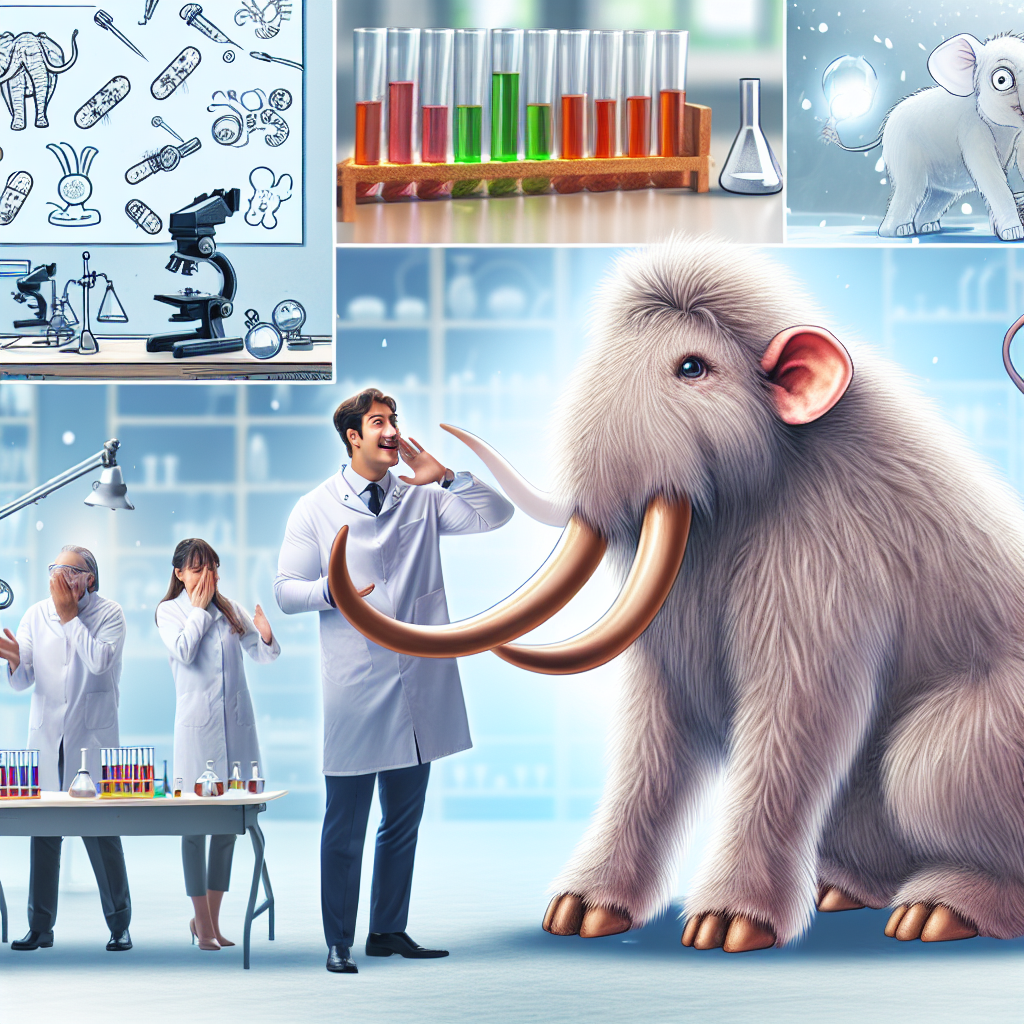
Reviving the Past: How Colossal Biosciences Brought Back the Woolly Mammoth Era with a Woolly Mouse
Imagine a world where the ancient giants that once roamed the Earth could walk among us again. While it may sound like the plot of a science fiction film, this intriguing concept is steadily approaching reality. Enter Colossal Biosciences, a pioneer in the field of de-extinction, which has taken a groundbreaking step closer to reviving the iconic woolly mammoth. Recently, they captured the world’s attention by introducing a novel creation—the woolly mouse. This extraordinary achievement has set the stage for understanding our planet’s ecological past, present, and future. In this article, we will delve into the journey of Colossal Biosciences, the innovative steps they’ve taken, and the implications of creating a woolly mouse for the revival of the woolly mammoth.
The Vision of Colossal Biosciences
Colossal Biosciences has embarked on a mission to turn science fiction into reality by bringing back species that are long extinct. Their ambitious goal isn’t purely a nostalgic quest to see these animals; it’s about restoring lost ecosystems and balancing our current environment.
The Justification for De-Extinction
- Biodiversity Enhancement: Restoring extinct species can correct imbalances caused by their absence and enhance biodiversity.
- Ecosystem Restoration: Certain extinct species played crucial roles in their ecosystems, and their revival could promote ecological harmony.
- Scientific Advancements: Working on de-extinction projects advances technology and understanding of genetics, with potential applications in medicine and agriculture.
Colossal’s Methodology for Revival
Colossal employs cutting-edge techniques to achieve their de-extinction goals, including:
- Genetic Engineering: Utilizing CRISPR technology to edit genes and reintroduce traits of extinct species to current descendants.
- Surrogate Breeding: Using closely related existing species as surrogates to birth new organisms carrying extinct genes.
- Selective Breeding: Encouraging traits found in extinct species by selectively breeding current species with similar ones.
From Giant to Mouse: Why Start Small?
While the woolly mammoth is the ultimate goal, there are significant challenges involved in bringing back such a large species. The creation of a woolly mouse is a crucial intermediate step in assessing techniques and outcomes on a smaller, more manageable scale.
The Woolly Mouse: An Innovative Leap
- Proof of Concept: The woolly mouse serves as an invaluable model, proving that de-extinction methodologies are viable.
- Technological Refinement: By working on a smaller mammal, researchers can refine their genetic editing techniques.
Underlying Technologies
CRISPR and Gene Editing
CRISPR technology allows scientists to:
- Precisely edit parts of the genome by removing, adding, or altering sections of the DNA sequence.
- Create specific mammoth-like traits such as thicker fur, cold resistance, and elephantine fat storage within the mouse genetic makeup.
Surrogate Mothering
In this case, a closely related species, such as the lab mouse, acts as a surrogate mother, carrying the genetically edited embryos to term.
Broader Implications of Woolly De-Extinction
While the woolly mammoth’s potential revival garners much attention, it opens the door to discussions on ethical, ecological, and technological fronts.
Addressing Ethical Concerns
Scientists and ethicists are working together to address possible ethical concerns:
- Welfare of Recreated Animals: Ensuring that revived species are treated ethically and can thrive in their new environments.
- Impact on Current Ecosystems: Studying and predicting the impact of reintroducing species to prevent harm to existing flora and fauna.
Environmental and Technological Impacts
- Climate Change Mitigation: Revived woolly mammoths could potentially transform tundra into grasslands, sequestering carbon and combatting global warming.
- Technological Evolution: Advances from these projects have implications beyond de-extinction, offering insights into disease eradication and genetic diversity conservation.
The Way Forward
Colossal Biosciences is not alone in this quest. Collaboration with global environmentalists, geneticists, and policy-makers is crucial to harness the full potential of de-extinction.
Preparing for the Mammoth
With the successful creation of the woolly mouse, attention now turns to larger species. Expected steps include:
- Increasing complexity in gene editing.
- Larger surrogate species experimentation.
- Habitat preparation for woolly mammoths in semi-controlled environments.
Global Collaborative Efforts
Global support ensures comprehensive approaches:
- Funded Research Projects: Joint ventures with universities and research institutions.
- Public Engagement and Transparency: Informing the public about procedures, progress, and plans.
Conclusion
The woolly mouse represents both a triumphant technological advance and a promise for the future of de-extinction. Colossal Biosciences is blazing scientific trails and offering us a look into a future where the boundaries of nature and technology blend to restore lost worlds. While there are challenges ahead, the path they’re paving redefines the possibilities in our quest to bring the woolly mammoth back to life and rectify past imbalances in our ecosystems. Whether it leads to cold tundras echoing with mammoth calls or further technological marvels, the world is watching as their grand vision unfolds.
With each stride, Colossal Biosciences invites us to imagine the incredible possibilities of venturing into the past to shape a healthier, more balanced future.