
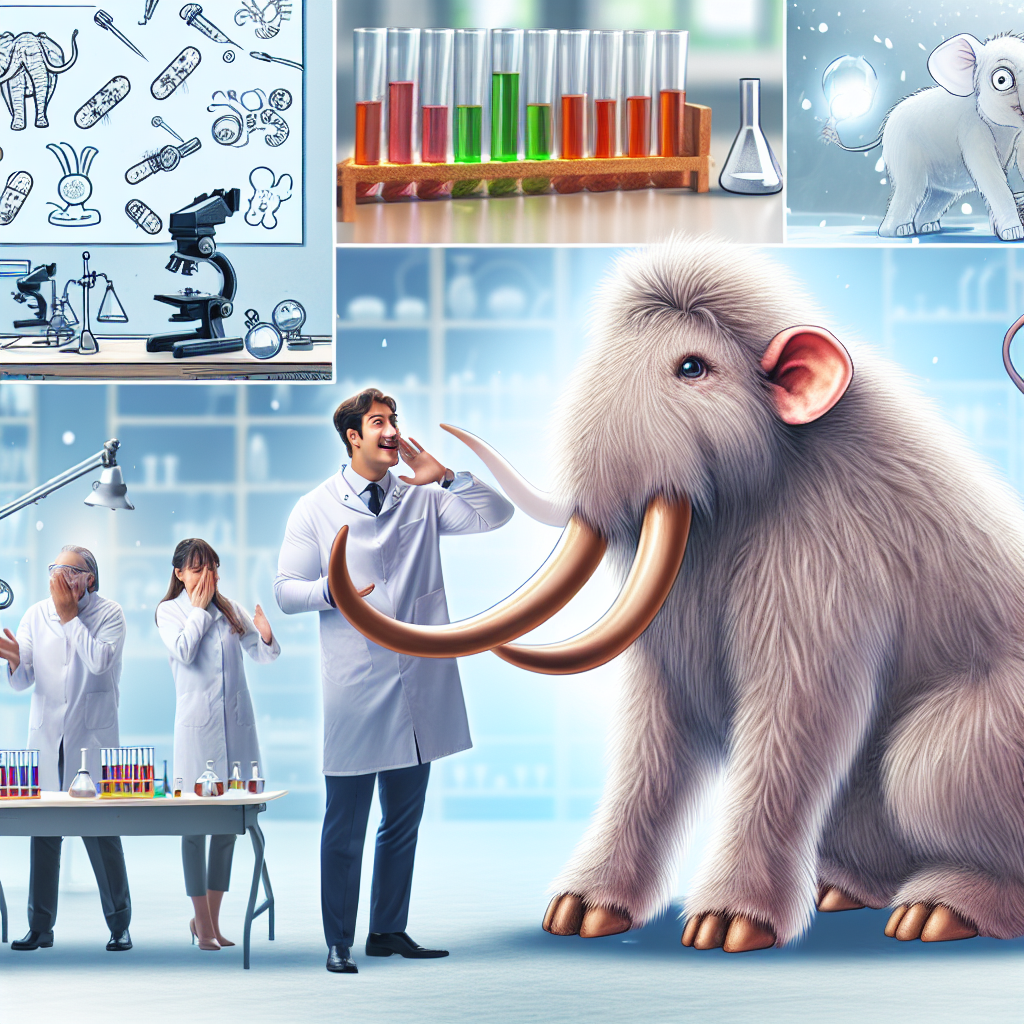
Resurrecting Giants: How Colossal Biosciences Is Pioneering with a "Woolly Mouse"
Introduction to Colossal’s Mammoth Ambition
Imagine a world where the majestic woolly mammoth walks the Earth once more, a creature that has been extinct for thousands of years. This vision is now closer to reality thanks to Colossal Biosciences, a company that is ambitiously blending science with imagination to bring back these prehistoric giants. But before we witness the revival of mammoths, the company has achieved an astonishing feat—creating a "woolly mouse."
This article dives deep into the fascinating journey of Colossal Biosciences as it endeavors to resurrect the woolly mammoth. We’ll explore the creation of the woolly mouse, the science behind de-extinction, and the broader implications of such groundbreaking work.
Colossal Biosciences: A Brief Overview
A Visionary Company
Founded by geneticists and futurists, Colossal Biosciences is at the forefront of de-extinction technology. With a mission to advance humanity’s ability to synthesize and enhance DNA, Colossal is ambitiously working towards bringing back lost species, starting with the woolly mammoth.
Innovative Technology
At the heart of Colossal’s projects is the revolutionary CRISPR gene-editing technology. This cutting-edge tool allows scientists to:
- Precisely edit genetic codes.
- Insert mammoth genes into elephant DNA.
- Revive genetic traits that belong to extinct species.
With such powerful tools in hand, the possibilities for genetic breakthroughs are virtually limitless.
Creating the "Woolly Mouse": A Scientific Breakthrough
Why a Mouse?
The idea of starting with a "woolly mouse" may seem unusual, but it makes perfect scientific sense:
- Mice share genetic similarities with larger mammals like elephants and mammoths, making them excellent initial subjects for genetic experiments.
- Mice reproduce quickly, allowing for rapid observation and iteration across generations.
The Genetic Engineering Process
Colossal’s team embarked on a meticulous journey:
- DNA Analysis: Sequencing both mammoth and mouse genomes to identify key genetic differences.
- Gene Synthesis: Using CRISPR to introduce mammoth genes responsible for cold-weather adaptations into the mouse genome.
- Observational Studies: Breeding these modified mice to study characteristics such as thicker fur and fatty tissue development.
Lessons Learned
The creation of the woolly mouse provided vital insights:
- Gene Functionality: Understanding how mammoth genes express in a modern mammalian body.
- Genetic Interaction: Learning how added genes interact with existing mouse biology.
- Technical Challenges: Addressing unforeseen hurdles before moving to larger mammals, including elephants.
The Road Ahead: From Woolly Mouse to Woolly Mammoth
Advancing to Larger Animals
With the success of the woolly mouse, Colossal is poised to advance to larger animals, primarily focusing on:
- Asian Elephants: The mammoth’s closest living relatives. The goal is to create a hybrid that can survive in cold environments.
Ethical Considerations
Colossal understands the ethical complexities involved in de-extinction. Key considerations include:
- Ecosystem Impact: Evaluating how these reintroduced species would affect current ecosystems.
- Animal Welfare: Ensuring ethical treatment and wellbeing of hybrid species.
Potential Benefits
The revival of the mammoth is more than just a scientific marvel; it could:
- Combat climate change by revitalizing the tundra.
- Offer insights into extinct species’ biology for conservation efforts.
- Spark innovation in genetic research and biodiversity.
Broader Implications and Future Prospects
Environmental Adjustments
De-extinction has the potential to:
- Balance ecosystems: Reintroducing species like the woolly mammoth could promote grass growth in the tundra, affecting carbon sequestration.
- Biodiversity Restoration: Allow for new forms of genetic diversity in areas plagued by current human activity.
Technological Advancements
The tools developed for de-extinction have broader applications:
- Medicine: Personalized medicine through advanced gene editing.
- Agriculture: Improved food crops with enhanced resistance and yield.
Criticisms and Counterpoints
Critics argue that resources might be better spent on existing conservation efforts. However, proponents highlight that learning to bring back lost species offers solutions for ongoing environmental crises.
Conclusion
Colossal Biosciences is charting a new era in genetic science and conservation with its visionary project to bring back the woolly mammoth. The creation of the woolly mouse is a stepping stone toward a future where extinct species once again roam the Earth. As science fiction inches ever closer to reality, the journey of Colossal Biosciences captivates the imagination and beckons us to ponder the possibilities that lie ahead in the age of genetic innovation.
By reviving the past, Colossal is striving to create a sustainable future. As you follow this groundbreaking story, imagine the incredible opportunities that await in the uncharted territories of science and nature.