
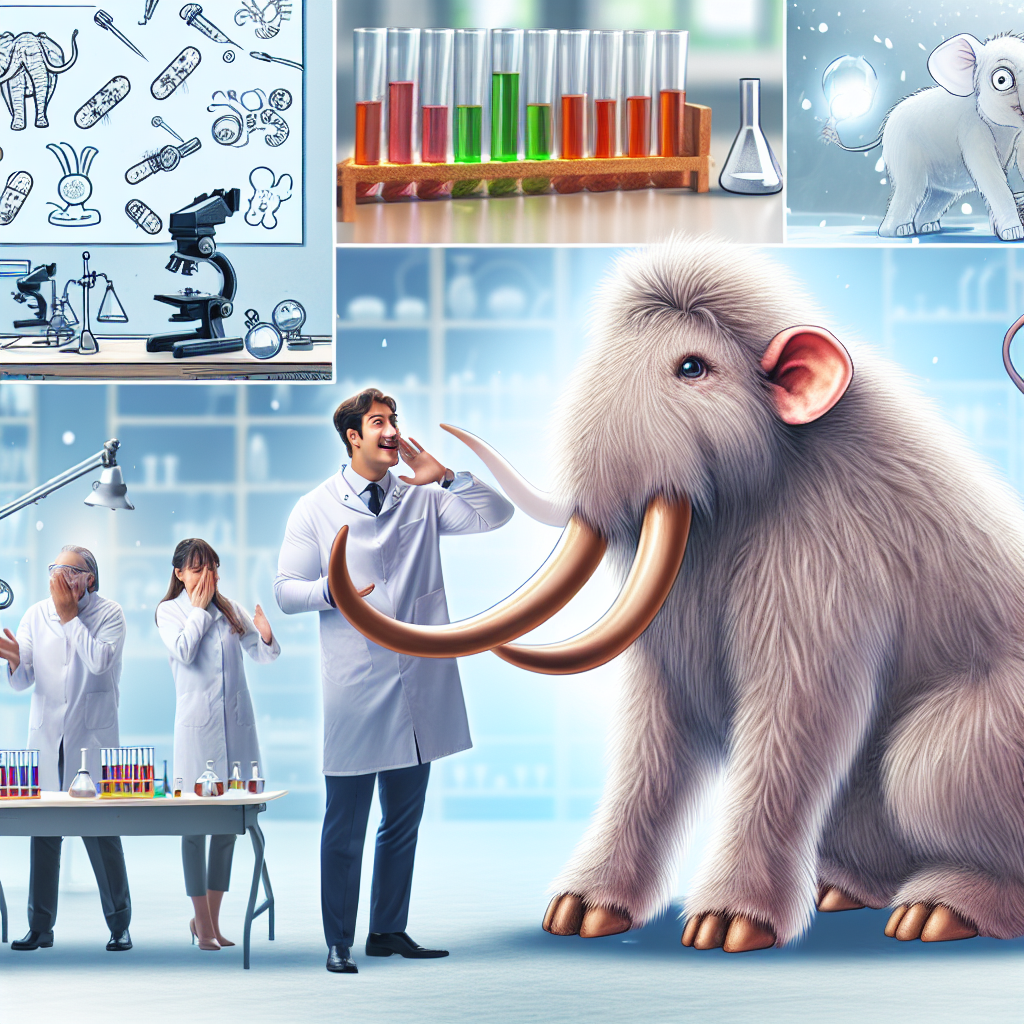
On a Quest to Revive the Woolly Mammoth: How Colossal Biosciences Created a Woolly Mouse
In a groundbreaking endeavor to bring the woolly mammoth back from extinction, Colossal Biosciences has taken an innovative step—creating what is being dubbed a "woolly mouse." This entry into the world of de-extinction has sparked widespread interest and debate. But what exactly does this journey entail, and how close are we really to seeing these Ice Age giants roam the Earth once more?
The Vision Behind Colossal Biosciences
Colossal Biosciences isn’t your typical tech startup. Founded by visionary scientists and entrepreneurs, this Dallas-based company aims to leverage cutting-edge genetic technology to revive extinct species, with the woolly mammoth as their poster child.
Why the Woolly Mammoth?
The woolly mammoth, a symbol of the last Ice Age, went extinct about 4,000 years ago. Yet, its well-preserved remains in Siberian permafrost have presented scientists with a bevy of genetic material to work with, making it a prime candidate for de-extinction efforts. Moreover, reviving the mammoth is seen as having potential ecological benefits, such as restoring arctic tundra ecosystems.
The Mammoth Task of De-Extinction
De-extinction is a complex process that involves editing the DNA of a living relative—a challenge fraught with technological and ethical questions.
- Genetic Engineering: Using CRISPR technology, scientists aim to edit the elephant genome by inserting mammoth genes.
- Inter-Species Surrogacy: Asian elephants, sharing close genetics with mammoths, are chosen as surrogate mothers.
- Ecological Restoration: Beyond just bringing the species back, the objective is reviving lost ecosystems.
From Woolly Mammoth to Woolly Mouse
The concept of a "woolly mouse" isn’t just fascinating—it represents a significant step in genetic experimentation and bioengineering.
What is a Woolly Mouse?
The woolly mouse is a genetically modified laboratory mouse that carries some woolly mammoth genes. Think of it as a practice run before tackling a full mammoth reincarnation.
Importance of the Woolly Mouse in Research
- Proof of Concept: Successfully creating a woolly mouse showcases the potential to cross species genetic boundaries safely.
- Refining Techniques: Offers a controlled way to refine CRISPR techniques and assess their efficacy.
- Ethical Precedents: Serves as a model for studying the ethical implications and long-term consequences of genetic editing.
Ethical Considerations and Challenges
The journey to de-extinct a species invokes not just scientific excitement but also ethical concerns.
The Moral Maze
- Biological Ethics: Should humanity resurrect extinct species, or should our focus be on preserving current ecosystems and species?
- Animal Welfare: Concerns over the welfare of surrogate species and potential health issues faced by resurrected species.
- Conservation Priorities: The fear that de-extinction efforts may divert attention and resources from conserving endangered species.
Regulatory and Environmental Considerations
- Legal Regulations: Navigating the complex legal landscape involved in biotech and de-extinction.
- Environmental Impact: Assessing potential impacts on current ecosystems should mammoths or other animals be reintroduced.
The Path Forward for Colossal Biosciences
Colossal Biosciences aims not only to revive the woolly mammoth but to redefine how humans interact with and sustain biodiversity.
Future Plans
- Expanding Scope: Plans to apply de-extinction technologies to other extinct species.
- Innovative Technologies: Development of facilities such as Pleistocene Parks, aiming for controlled re-introduction zones.
- Collaborative Research: Partnering with global wildlife conservation organizations to align goals.
Broader Implications for Science and Society
- Medical and Agricultural Benefits: Genetic research methodologies offer potential advances in medicine and agriculture.
- Public Engagement: Increasing awareness and fostering public dialogue about genetic technologies and their implications.
Conclusion
The creation of a woolly mouse by Colossal Biosciences marks a critical milestone in synthetic biology and de-extinction science. While the challenges are immense, the promise of not only bringing back the woolly mammoth but also revolutionizing the way we perceive and interact with extinct species is tantalizing. As science marches forward, embracing the old with new technologies, it’s up to us to ensure an ethically and environmentally sound path—one that respects the delicate balance of our global ecosystem.
As the story of the woolly mouse unfolds, what lies ahead is a profound opportunity for learning, dialogue, and pioneering innovation in the realm of genetic science. Will Colossal Biosciences manage to bring a living woolly mammoth into the world? Only time will tell, but as of today, the journey is undoubtedly underway.