
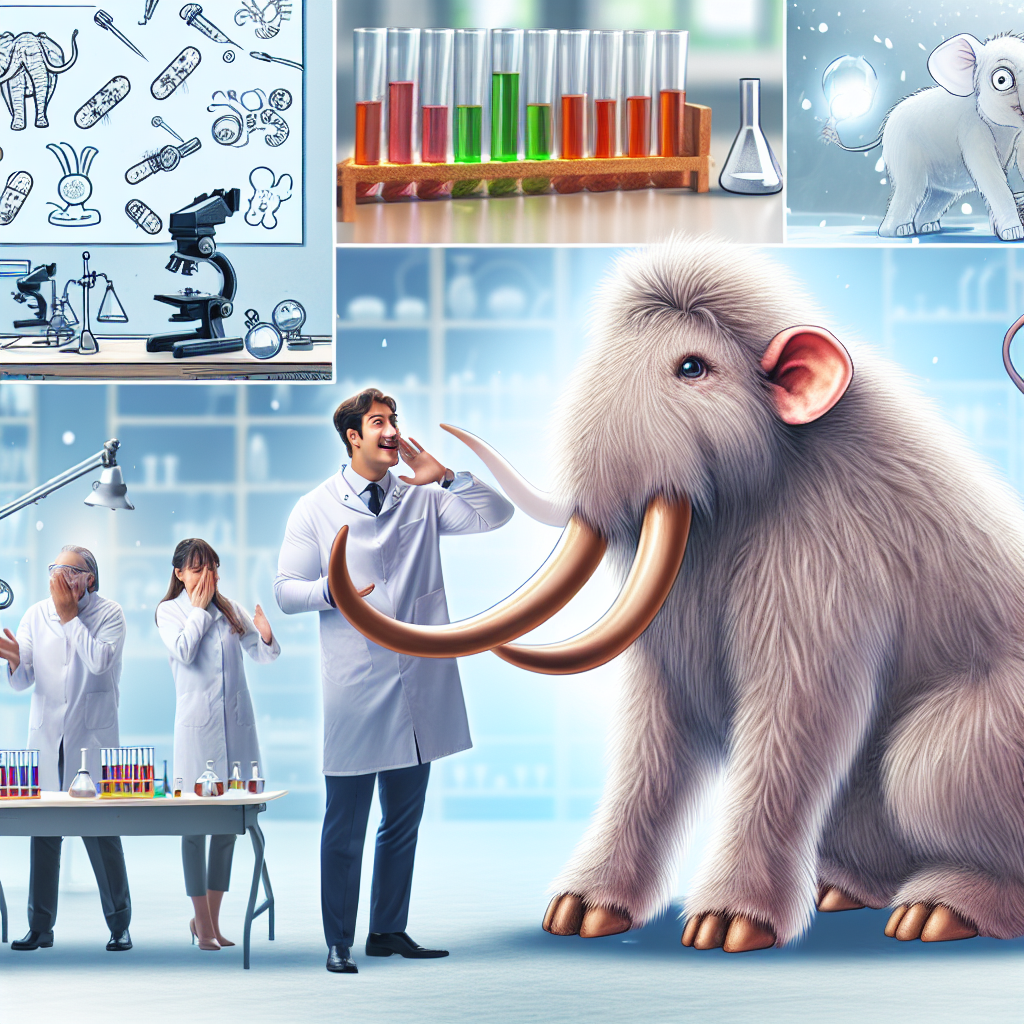
Reviving the Woolly Mammoth: Colossal Biosciences and the Creation of a Woolly Mouse
The ancient landscapes of the Ice Age were once roamed by majestic woolly mammoths, and their disappearance has long intrigued scientists and enthusiasts alike. As humanity continues to advance technologically, the dream of seeing these magnificent creatures once again wander the Earth takes a significant step forward. Today, the scientific community is buzzing with excitement over Colossal Biosciences and their groundbreaking work towards reviving the woolly mammoth. Their latest achievement—a woolly mouse—marks an incredible milestone in the quest to resurrect these incredible creatures.
Colossal Biosciences: Pioneers in De-Extinction
Colossal Biosciences is at the forefront of the de-extinction movement, an ambitious project to bring extinct species back to life. Founded by entrepreneur Ben Lamm and renowned geneticist George Church, the company has set its sights on reviving the woolly mammoth, a species that went extinct over 4,000 years ago. Their work leverages cutting-edge technologies in genetics and biotechnology to achieve what once seemed impossible.
The Vision and Mission of Colossal Biosciences
At the heart of Colossal’s mission is the belief that de-extinction can have profound implications for biodiversity and environmental restoration. Some potential benefits include:
- Restoring Ecosystems: The reintroduction of the woolly mammoth could help restore ancient ecosystems, countering climate change effects and preserving biodiversity.
- Scientific Discovery: Advances in genetic technology through de-extinction could lead to breakthroughs in understanding genetics, evolution, and conservation.
By contextualizing their mission within the framework of ecological balance and scientific progress, Colossal aims to inspire both the public and the scientific community to support their endeavors.
The Woolly Mammoth: A Symbol of Extinct Majesty
Before delving into the technicalities, it’s crucial to understand why the woolly mammoth is such an iconic candidate for de-extinction. Woolly mammoths were well-adapted to the cold, harsh conditions of the Ice Age with features like long, shaggy fur, and a thick layer of fat. Understanding their significance can shed light on the motivations behind their revival.
Why Bring Back the Woolly Mammoth?
The woolly mammoth’s ecological role was unique:
- Natural Engineers: Mammoths helped maintain the health of the grasslands in the Pleistocene era by trampling snow, which allowed grasses to grow and supported various fauna.
- Climate Change Mitigation: By restoring large herbivores like the mammoth, there’s potential to slow the thawing of the Arctic permafrost, thus reducing greenhouse gas emissions.
The woolly mammoth’s return could indeed usher in a new era of ecological conservation.
From Dream to Reality: Creating a Woolly Mouse
Colossal Biosciences’ latest achievement of a woolly mouse represents a tangible step forward in their de-extinction project. This monumental accomplishment is not just about creating a novel organism, but about paving the way for larger endeavors.
The Genetic Toolkit of De-Extinction
Genetic engineering is at the core of creating a woolly mouse:
- CRISPR Technology: Used to edit genes with high precision. Scientists have managed to introduce genes from the woolly mammoth’s DNA into that of an Asian elephant, the mammoth’s closest living relative.
- Hybridization: The creation of a woolly mouse involves blending mammoth genes with those of a modern mouse. This allows scientists to study gene function in a living organism.
Challenges and Ethical Considerations
While the creation of a woolly mouse demonstrates progress, it is essential to consider:
- Technical Difficulties: Successfully translating this achievement from mice to large mammals requires addressing numerous biological and environmental challenges.
- Ethical Implications: The prospect of bringing back extinct species raises questions about human intervention and the potential impacts on ecosystems.
Addressing these challenges is crucial for the ethical and successful revival of the woolly mammoth.
Looking Forward: The Road to Reviving the Woolly Mammoth
As Colossal Biosciences continues on its groundbreaking journey, several steps remain before a living woolly mammoth walks the earth again.
Scaling Up from Mice to Mammoths
The creation of a woolly mouse is only a preliminary step:
- Developing Viable Embryos: A major challenge remains in the development of an embryo that can survive and thrive.
- Surrogate Methods: Utilizing surrogate Asian elephants to birth these genetically engineered embryos could be how the first woolly mammoths are brought to life.
Environmental and Conservation Impact
Reintroducing woolly mammoths into the wild could set precedents for future de-extinction projects:
- Pleistocene Park: A designated area in Siberia where mammoths could potentially be reintroduced. This controlled environment would allow scientists to study ecological impacts and manage unforeseen consequences.
Conclusion: A New Era in Conservation Science
Colossal Biosciences and their woolly mouse mark a fascinating step forward in the field of de-extinction science. While challenges remain, the potential benefits of resurrecting the woolly mammoth—ranging from ecosystem restoration to climate change mitigation—hold considerable promise. As we stand on the brink of what may be one of the most extraordinary scientific endeavors of the century, the woolly mammoth’s revival not only captures the imagination but also serves as a testament to the power of innovation and human ingenuity.
Key Takeaway: The journey towards bringing back the woolly mammoth is more than just an ambitious scientific pursuit; it’s a journey of environmental aspiration, technological ingenuity, and perhaps, one of humanity’s greatest challenges in ethical ecological conservation.