
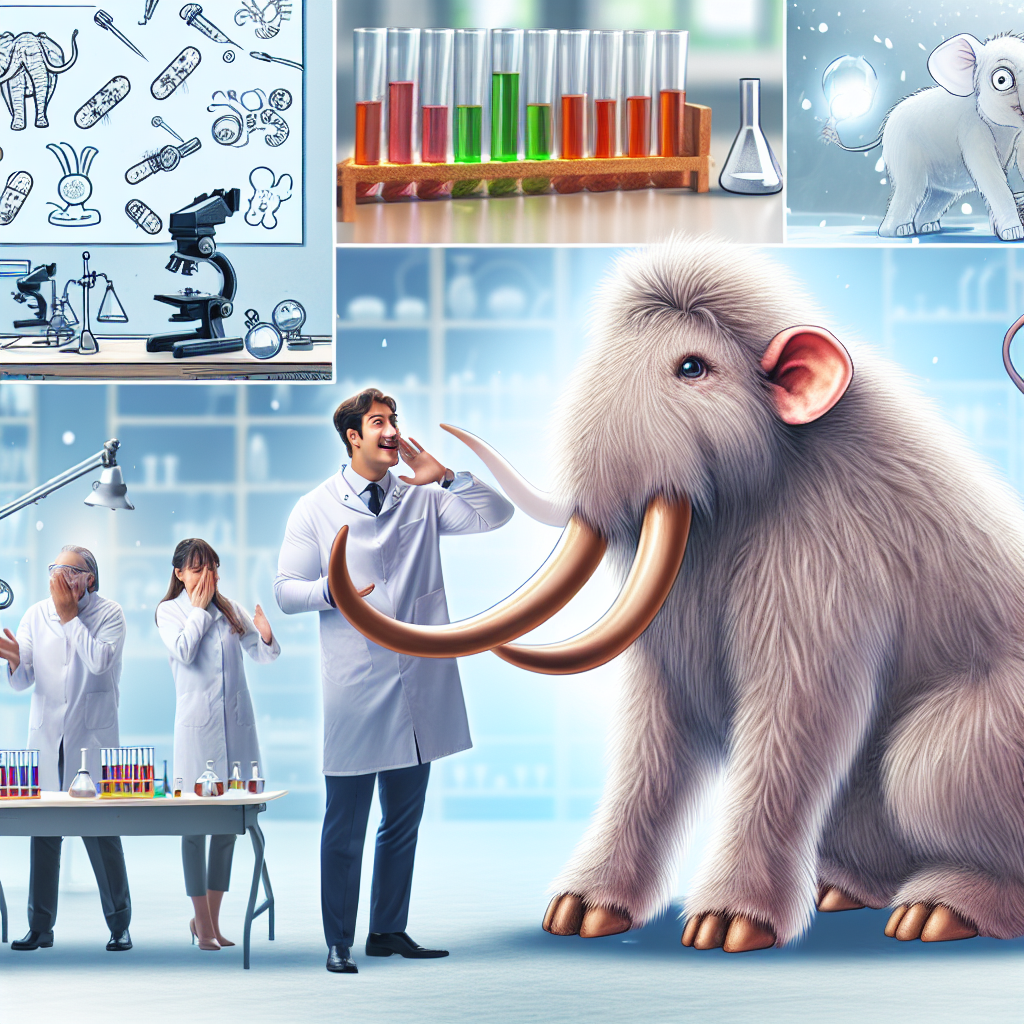
On a Quest to Revive the Woolly Mammoth: Colossal Biosciences and the Creation of a Woolly Mouse
The idea of resurrecting creatures from the depths of prehistory has fascinated humanity for decades. Imagining herds of woolly mammoths roaming the tundras once more evokes a sense of wonder and curiosity. Colossal Biosciences, a pioneer in the field of de-extinction, is actively working towards transforming this dream into reality, starting with a small but significant breakthrough: the creation of a "woolly mouse." This ambitious endeavor bridges cutting-edge genetics with a deep yearning to reconnect with our planet’s lost giants.
The Quest for De-Extinction
What is De-Extinction?
De-extinction, also known as resurrection biology, is the process of reviving extinct species using genetic engineering, selective breeding, and other scientific techniques. This innovative field taps into modern genetic technology to bring back species that have vanished from the earth due to natural events or human activities.
Key Methods:
- Cloning: Creating a genetically identical organism from the DNA of an extinct species.
- Genetic Engineering: Editing the DNA of a living relative of an extinct species to resemble the extinct one’s genetic makeup.
- Back-breeding: Selectively breeding animals to bring out traits similar to the extinct species.
Colossal Biosciences’ Vision
Colossal Biosciences is at the forefront of de-extinction efforts, with their sights set on reviving the iconic woolly mammoth. Founded by visionary entrepreneurs and scientists, this ambitious company aims to restore ecosystems, combat climate change, and enhance biodiversity through the resurrection of extinct species.
Goals of Colossal Biosciences:
- Ecological Restoration: Reintroduce extinct species to restore natural habitats and balance ecosystems.
- Fighting Climate Change: Utilize resurrected species like the woolly mammoth to manage grasslands and reduce greenhouse gases.
- Scientific Advancement: Push the boundaries of genetic technology and understanding of biology.
The Journey to Create a Woolly Mouse
Why Begin with a Woolly Mouse?
Starting with a woolly mouse rather than directly with a mammoth achieves several goals:
- Scalability: Easier to manage genetically engineered mice in a lab environment than large mammals.
- Proof of Concept: Demonstrates the feasibility of de-extinction methods on a smaller scale.
- Genetic Similarity Test: Allows testing of genetic edits that mimic woolly mammoth traits in an elephant’s closer relative — the mouse.
Cutting-Edge Genetic Techniques
Colossal Biosciences employs cutting-edge genetic engineering techniques to create a "woolly mouse," using CRISPR-Cas9 technology to edit the genes of a laboratory mouse with traits derived from woolly mammoth DNA.
Steps Involved:
- Genome Sequencing of the woolly mammoth from preserved specimens.
- Identification of Key Traits unique to the mammoth, like thick fur and cold resistance.
- Gene Editing in Mice to incorporate these traits, creating a living prototype that resembles a woolly mammoth in some genetic aspects.
The Implications of a Woolly Mouse
Impacts on Science and Medicine
The development of a woolly mouse has several potential implications for science and medicine:
- Gene Therapy Advancements: By mastering the intricate methods of precise gene editing, the techniques developed can be applied to fight genetic diseases in humans and animals.
- Conservation Genetics: Techniques derived from de-extinction efforts can be used to bolster genetic diversity in endangered species.
- Biotechnology Innovation: Paves the way for developing new biotechnologies and enhancing existing biological research methods.
Ethical and Environmental Considerations
With great power comes great responsibility. The push to revive extinct species, including the woolly mammoth, raises several ethical and environmental concerns:
- Biodiversity Risks: Introducing de-extinct species into modern ecosystems may endanger current flora and fauna.
- Animal Welfare: The welfare of genetically engineered or cloned creatures must be considered, ensuring humane treatment and quality of life.
- Moral Questions: The significant moral implications of "playing God," interfering with natural processes, and altering ecosystems on purpose.
The Next Steps in De-Extinction
Colossal Biosciences’ work does not end with the creation of a woolly mouse. The company is gradually stepping towards more ambitious projects, with the ultimate goal of reviving the woolly mammoth and releasing it back into its natural habitat.
Ongoing Research and Development
- Large-scale Mammoth Project: From woolly mice to eventually reaching a viable, woolly mammoth-like creature using Asian elephant surrogates.
- Collaboration with Ecologists: To ensure successful integration and ecological balance when reintroducing species into the wild.
Future Prospects for a Woolly Mammoth
As technology advances and methods are refined, the prospect of seeing a woolly mammoth walk the Earth again becomes increasingly realistic. But beyond just bringing them back, the ultimate aim is to utilize their presence for ecological rejuvenation and climate regulation.
Conclusion
Colossal Biosciences’ endeavor to bring back extinct species, starting with the creation of a woolly mouse, is a remarkable undertaking that blends science fiction with reality. While challenges remain, the potential benefits — alongside the profound understanding of genetics we gain — could lead to groundbreaking advancements in biodiversity conservation, ecological restoration, and the fight against climate change. The woolly mouse is a stepping stone to answering the age-old question: Can we — and should we — bring back the giants of the past?