
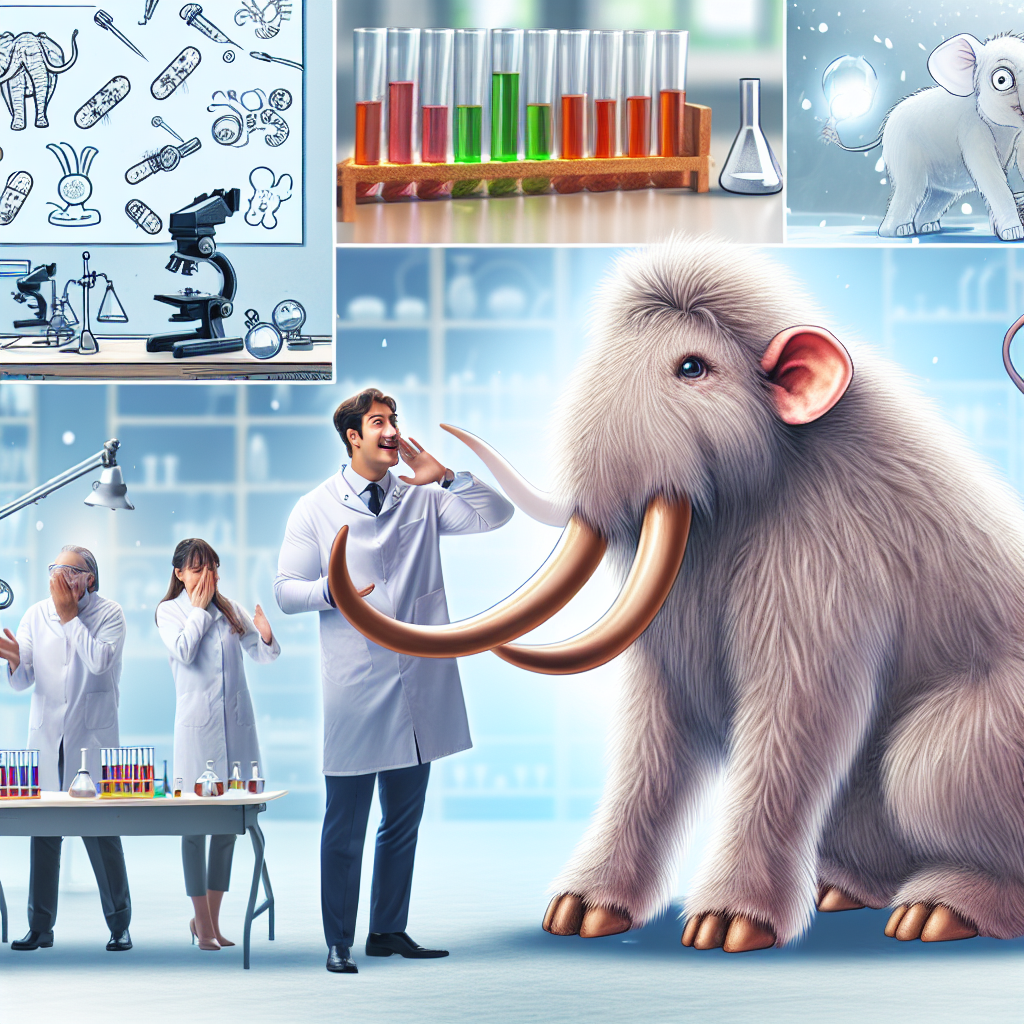
Colossal Biosciences’ Daring Journey to Revive the Woolly Mammoth: The Creation of a Woolly Mouse
Imagine a world where the ancient giants of the ice age roam once again. This captivating vision isn’t confined to the realms of science fiction anymore. Thanks to Colossal Biosciences, the idea of resurrecting the woolly mammoth is steadily edging closer to reality. Leading the charge, the company has taken a remarkable step by engineering a woolly mouse. This groundbreaking development serves as a pivotal milestone in their quest to bring back the woolly mammoth, blending the past with futuristic biotechnology.
The Genesis of a Revolution: Understanding the Vision
At the heart of Colossal Biosciences’ mission is a deep-seated belief in the potential of de-extinction. What exactly does this entail, and why the woolly mammoth?
Why De-Extinct the Woolly Mammoth?
The initiative to revive this iconic ice age creature is not born from mere curiosity. Key motivations include:
-
Environmental Benefits: Woolly mammoths once maintained grassland ecosystems by toppling trees and encouraging grass growth. Reintroducing them could mitigate climate change by restoring these ecosystems.
-
Biodiversity Revival: Reviving extinct species enriches our biodiversity and offers fresh insights into evolutionary biology.
- Technological Advancements: The audacious project bolsters genomic research and biotechnology, paving the way for innovations that can benefit both science and humanity.
Colossal Biosciences: A Trailblazer in Genetic Engineering
Founded in 2021 by Ben Lamm and George Church, Colossal Biosciences weaves together biotech innovations and environmental advocacy. By decoding the genetic blueprint of the mammoth, they’ve been able to isolate significant traits to simulate its living essence.
The Woolly Mouse: A Prelude to the Mammoth’s Revival
The creation of a woolly mouse, equipped with mammoth-like genetic features, marks an impressive achievement. But what does it entail, and how does it contribute to the larger goal?
Decoding the Woolly Mouse’s Genetic Puzzle
The process of creating a woolly mouse involves sophisticated genetic engineering techniques:
-
CRISPR-Cas9 Genetic Editing: This tool allows for precise edits to DNA sequences, enabling scientists to introduce mammoth characteristics into a living organism’s genome.
-
Selection of Traits: Researchers identify specific genes associated with the mammoth’s resilience to cold climates, robust fur, and more to incorporate into the laboratory mouse’s genome.
- Successful Integration: By successfully expressing these genes, the woolly mouse serves as a proof-of-concept for larger species like the woolly mammoth.
Bridging the Gap: From Mouse to Mammoth
Creating a woolly mouse achieves several objectives pivotal to the resurrection mission:
-
Proof of Genetic Viability: Demonstrates that mammoth genes can function in a living organism without adverse effects.
-
Technological Refinement: The project serves as a testbed for refining gene-editing techniques necessary for larger mammals.
- Ethical and Practical Insights: Provides valuable insights into the ethical and logistical complexities of de-extinction efforts.
Ethical Considerations and Challenges
Embarking on the mission to revive an extinct species isn’t just about scientific prowess; it also stirs a pot of ethical debates and logistical challenges.
Addressing Ethical Quandaries
The prospect of de-extinction raises several ethical questions, such as:
-
Playing God?: Critics argue that resurrecting species may overstep moral boundaries.
-
Biodiversity Priorities: Instead of focusing on de-extinction, should resources be allocated to preserving endangered species?
- Ecosystem Impact: Introducing a species into modern ecosystems may have unforeseen consequences.
Tackling Logistical Challenges
Several technical hurdles stand in the path of reviving the woolly mammoth:
-
Genetic Complexity: The limited availability of well-preserved DNA specimens.
-
Gestation and Birth: Finding suitable surrogate species and ensuring healthy development.
- Resource Allocation: Funding and resource management for such an ambitious project.
The Road Ahead: Future Prospects and Expectations
What does the future hold for Colossal Biosciences and its mammoth undertaking?
Looking Towards the Horizon
-
Ongoing Research: Continued advancements in genetic engineering and synthetic biology will propel this initiative further towards successful de-extinction.
-
Collaborative Efforts: Partnering with conservation organizations and increased public engagement could enhance project viability.
- Expanding Knowledge: Besides potential mammoth revival, this venture opens doors for the revival and preservation of other species.
Conclusion: A Remarkable Journey Into the Past
Colossal Biosciences, through their daring initiative, is transforming the incredulous notion of resurrecting the woolly mammoth into a tangible possibility. The creation of a woolly mouse marks not just a technical achievement, but a testimony to the inexhaustible curiosity and innovation at the intersection of biology and technology. As society treads into this new realm of de-extinction, questions abound—but so do opportunities. De-extinction stands as a testament to human ingenuity, presenting possibilities that once seemed reserved solely for the realm of fantasies and dreams. As we stand on the brink of this genetic revolution, the woolly mammoth may yet walk the Earth once more, inspiring a reevaluation of humanity’s role in the tapestry of life.
By reconnecting with the past through the future of genetic science, Colossal Biosciences invites us to rethink our approach to biodiversity, conservation, and the vast possibilities biotechnology can offer.