
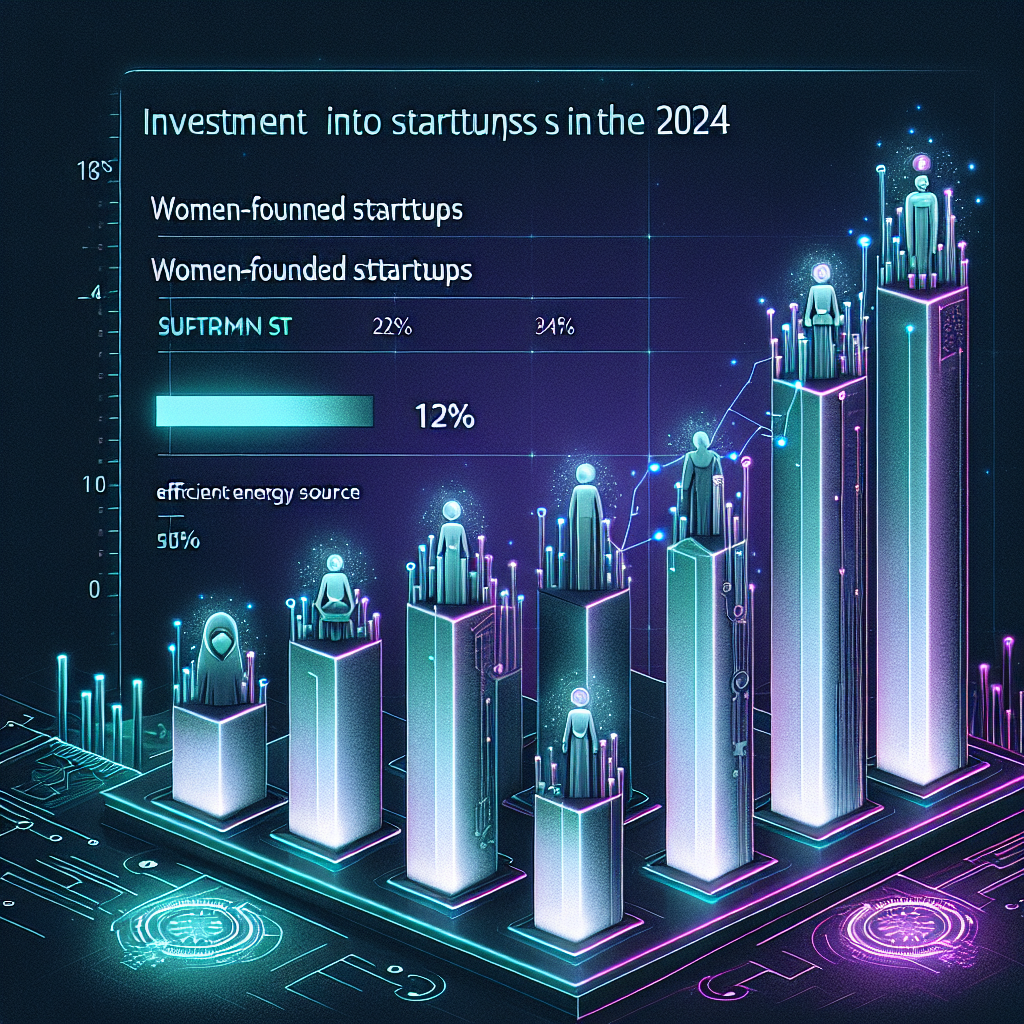
A Closer Look at the 12% Decline in Funding for Women-Founded Startups in 2024
In recent years, the push for gender diversity in the entrepreneurial landscape has gained momentum. Yet, the 12% decline in funding for women-founded startups in 2024 reminds us that the journey is far from over. Interestingly, this drop isn’t too far from the trajectory seen across the broader market, raising intriguing questions about the state of startup funding. In this article, we’ll explore the dynamics behind these statistics, the broader economic trends, and the implications for female entrepreneurs.
Understanding the Numbers: A Comparative Analysis
The last few years have seen an oscillating market, with many startups grappling with economic uncertainty and changing investment strategies. Despite these challenges, the noteworthy decline in funding for women-founded startups, paralleling a broader market trend, deserves a deeper exploration.
Market Trends and Pressures
Economic Factors
Throughout early 2024, several global economic factors played pivotal roles:
- Inflation Rates: Persistent high inflation increased operational costs, impacting profit margins and investor confidence.
- Interest Rate Hikes: Central banks around the world raised interest rates to combat inflation, leading to more expensive loans for startups.
- Geopolitical Tensions: Instabilities and uncertainties (such as trade wars and geopolitical tensions) added extra layers of risk, influencing investor behavior.
Changes in Investor Preferences
A shift in investor preferences was also apparent:
- Preference for stable, revenue-generating businesses over high-risk ventures.
- Greater focus on sustainable and socially-responsible investments, which realigned some funding away from traditional startups.
The Impact on Women-Founded Startups
Women-founded startups experienced a slightly smaller drop in funding, mirroring broader industry patterns but still raising pertinent discussions about gender dynamics in investment.
Barriers Unique to Women Entrepreneurs
Some of the unique challenges include:
- Limited Access to Networks: Networking opportunities are often skewed in favor of male entrepreneurs, affecting women’s access to vital funding circles.
- Persistent Gender Bias: Investors may unconsciously carry biases that assume female-founded startups are riskier or less profitable.
Success Stories Amidst Challenges
Despite these challenges, numerous women founders persevered and thrived:
- Innovative Solutions: Many women founders focused on niche sectors or underserved markets, attracting specific investments.
- Community Support: Women’s support networks and mentorship programs helped some startups navigate this challenging period successfully.
Moving Forward: Strategies for Recovery and Growth
In the wake of this funding decline, it’s essential to chart a path forward that offers hope and concrete strategies for women entrepreneurs.
Leveraging Alternative Funding
In addition to traditional venture capital, exploring other funding avenues is crucial:
- Crowdfunding: Engaging a community-based support system can be effective. Platforms like Kickstarter and Indiegogo offer unique channels for fundraising.
- Grants and Competitions: Numerous grants cater to women entrepreneurs, emphasizing innovation and impact.
Strengthening Networks
Building robust networks can significantly improve funding prospects:
- Mentorship Programs: These programs provide invaluable guidance, helping bypass barriers that women founders traditionally face.
- Industry Associations: Joining business and trade organizations can expand a woman entrepreneur’s reach significantly.
The Role of Policy and Advocacy
Government and advocacy groups play pivotal roles in championing equal opportunity for women entrepreneurs.
Relevant Policies
Governments globally are recognizing the need for intervention:
- Incentive Programs: Tax breaks and subsidies for investors funding women-founded startups can help equalize the field.
- Training Programs: Educational programs aimed at empowering women in finance and leadership are crucial for long-term change.
Advocacy and Awareness
Raising awareness remains essential:
- Campaigns and Initiatives: Initiatives such as International Women’s Day shine the spotlight on issues of gender parity in entrepreneurship.
- Research and Data Collection: Continued research on funding gaps and female entrepreneurship can help tailor more effective policies and interventions.
Conclusion
The 12% decline in funding for women-founded startups in 2024 reveals not only the unique challenges faced by female entrepreneurs but also parallels trends in the broader market. Understanding and addressing these challenges—from economic pressures and investor preferences to gender-specific barriers—is critical. As we look forward to brighter prospects, the combination of alternative funding, strengthened networks, and robust policy actions will play a pivotal role in supporting women entrepreneurs on their journey. Through collective effort and advocacy, there’s a path to ensure that women founders not only participate in the entrepreneurial landscape but thrive within it.