
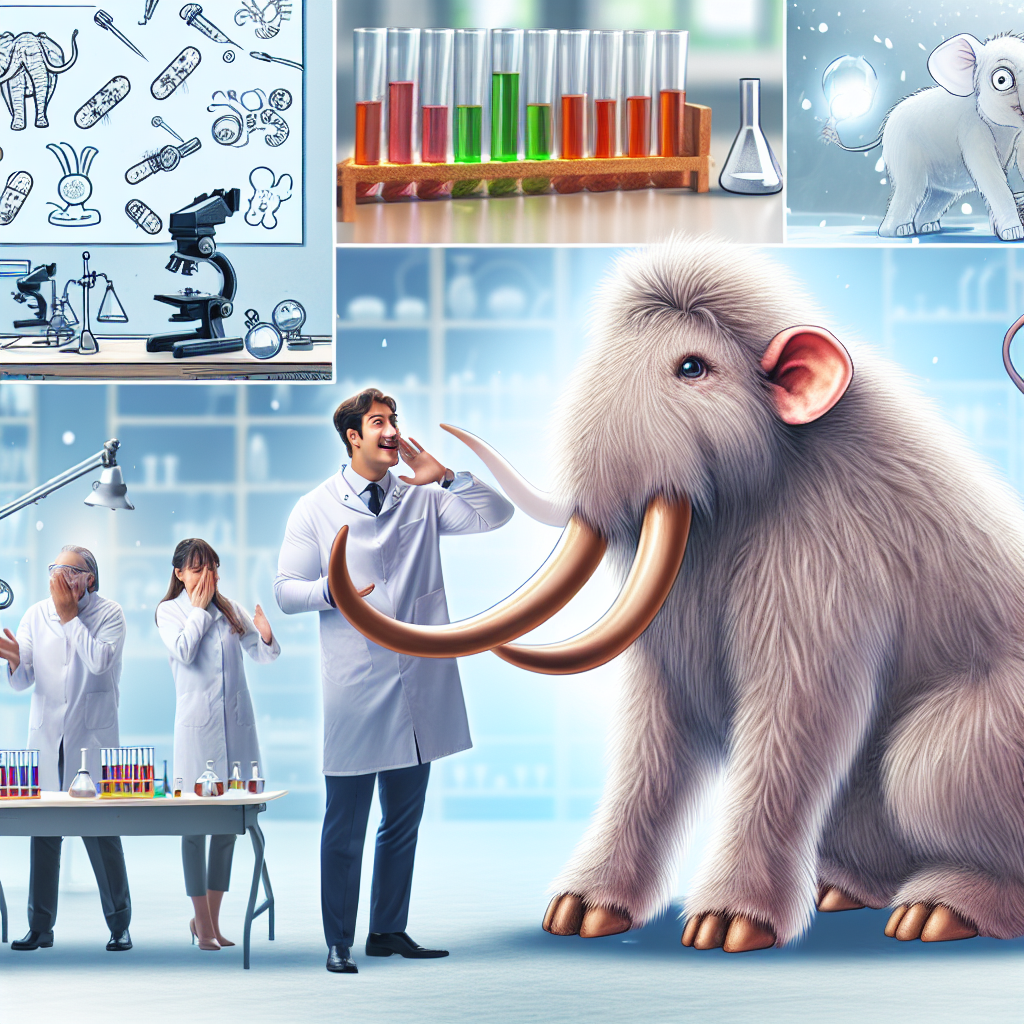
Resurrecting Giants: Colossal Biosciences’ Woolly Mouse and the Path to Reviving the Woolly Mammoth
In the realm of scientific endeavor, few projects are as audacious and captivating as the quest to revive the woolly mammoth. This ancient giant, with its iconic long tusks and shaggy fur, has captured the human imagination for centuries. Today, this dream teeters on the edge of reality, thanks to pioneering efforts by companies like Colossal Biosciences. In a trailblazing move, they have genetically engineered a unique woolly mouse, marking a significant stride towards their ultimate goal. But how did we get here, and what does this mean for the future of de-extinction science? Let’s delve deeper.
The Vision of Colossal Biosciences
The journey to bringing back the woolly mammoth is not just about the fascination with extinct species. At its core, Colossal Biosciences aims to combat the pressing challenges of climate change and biodiversity loss. By leveraging advanced genetic technologies, the company seeks to pave the way for:
-
Ecosystem Restoration: Reviving keystone species like the woolly mammoth could play a crucial role in restoring ecosystems. These large herbivores once maintained the Arctic tundra ecosystems by trampling down trees and promoting grasslands. Reintroducing similar species may help combat permafrost melting by encouraging the growth of reflective grasses over heat-absorbing trees.
- Technological Advancements: The tools and methodologies developed for de-extinction could revolutionize biotechnology, leading to breakthroughs in genetic engineering, conservation biology, and medicine.
The Creation of the Woolly Mouse
The woolly mouse, a creature born from the fusion of modern science and ancient DNA, represents a landmark achievement. But what exactly is a “woolly mouse,” and why was it developed?
What is the Woolly Mouse?
The woolly mouse is a genetically modified lab mouse that has been infused with genes predominantly associated with the woolly mammoth. Colossal Biosciences manipulated specific genes responsible for:
-
Thermoregulation: These genes help the creature survive in cold climates, akin to those of the last Ice Age.
- Fur and Fat Composition: The alteration in fur texture and fat composition equips the woolly mouse with better insulation against cold, serving as a proxy to test the mammoth’s readiness for similar environments.
Why a Woolly Mouse?
Developing the woolly mouse serves several purposes:
-
Proof of Concept: The success of the woolly mouse experiment proves that ancient gene variations can coexist and function well in modern organisms.
-
Platform for Further Research: Mice reproduce quickly and are easy to maintain—making them an ideal subject for genetic experimentation and long-term studies.
- Ethical and Practical Beginning: Starting with a smaller, manageable organism allows researchers to fine-tune their methods in preparation for larger, more complex species.
The Science Behind De-Extinction
Understanding the scientific journey from concept to reality involves diving into specific methodologies and ethical considerations.
Gene Editing: The CRISPR Revolution
CRISPR-Cas9 technology is at the heart of this de-extinction endeavor. It allows scientists to edit genes with precision, ensuring that the newfound DNA sequences are properly integrated:
-
Efficiency: CRISPR enables rapid and accurate genetic modifications, accelerating the de-extinction timeline.
- Safety: By allowing targeted edits, potential side effects or off-target mutations are minimized.
Ethical Implications
While the idea of bringing back extinct species is thrilling, it is not without its ethical dilemmas:
-
Biodiversity Concerns: Introducing extinct species into modern ecosystems could have unpredictable impacts.
-
Animal Welfare: Ensuring that all creatures, revived or modified, are treated ethically and humanely is paramount.
- Resource Allocation: Balancing funding between de-extinction projects and urgent conservation efforts for endangered living species is crucial.
The Future of Woolly Mammoths and Conservation
The path to resurrecting the woolly mammoth is filled with potential achievements and challenges. If executed responsibly, this endeavor could lead to:
-
Enhanced Genetic Diversity: The novel gene-editing technologies developed can help conserve genetic diversity amongst endangered species, protecting them from inbreeding and disease susceptibility.
-
Revitalized Habitats: Through megafauna reintroduction, ecosystems like the Arctic grasslands could experience positive ecological shifts.
- Increased Public Awareness: High-profile projects like the woolly mammoth can generate public interest and support for conservation efforts worldwide.
The Journey Ahead
-
Pilot Projects: Over the next decade, Colossal Biosciences aims to develop and possibly reintroduce genetically modified elephants, stepping stones to a true woolly mammoth.
- Collaboration and Support: Success will require collaboration between scientists, conservationists, governments, and the public—ensuring that technological advancements align with environmental and ethical standards.
In conclusion, the creation of the woolly mouse by Colossal Biosciences is more than a scientific oddity; it is a bold step towards an innovative future where biology, technology, and sustainability intertwine. As the realm of de-extinction unfolds, it brings with it both great promise and responsibility. This journey, though fraught with complexity, could redefine our relationship with nature, science, and the world around us.