
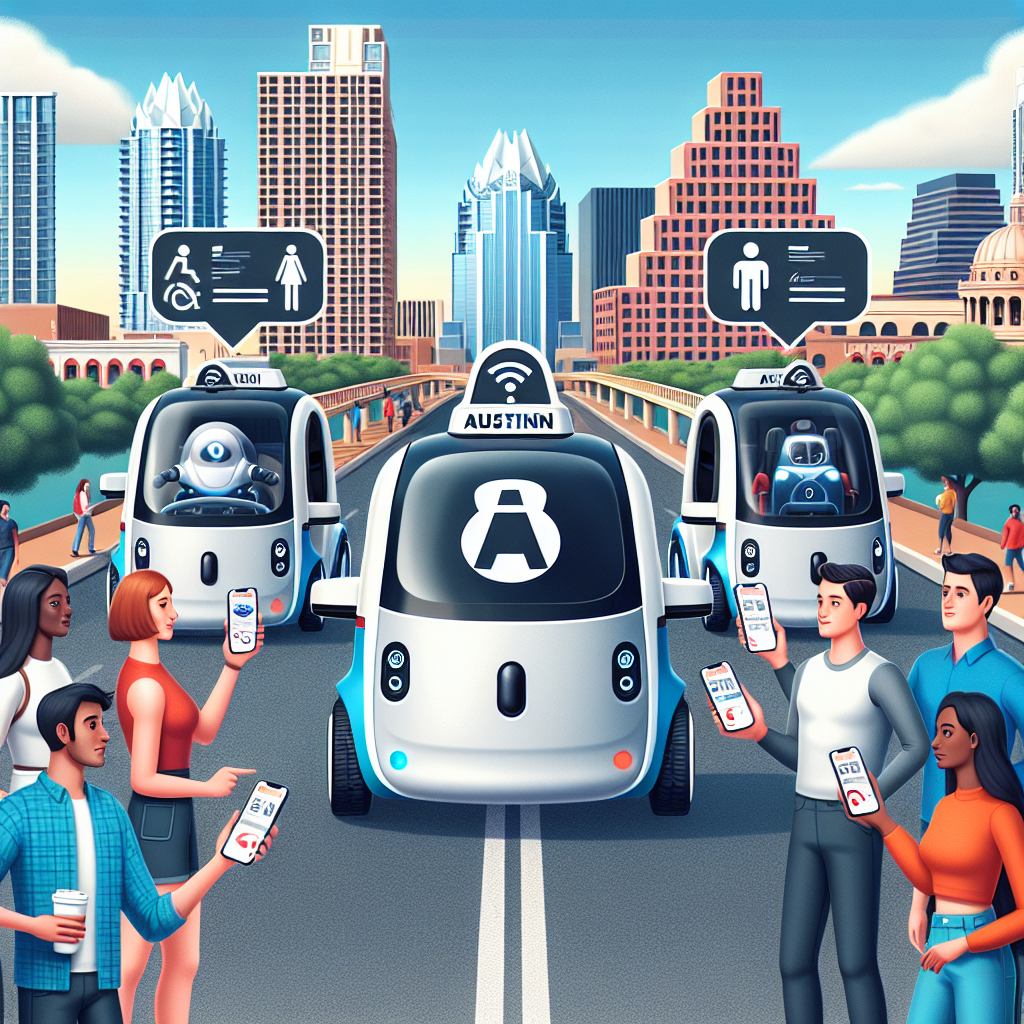
Exploring the Future: Uber Users in Austin Embrace Waymo’s Robotaxis
Austin, Texas, known for its vibrant music scene and electric energy, is now stepping into the future with a novel transportation development that resonates with innovation: Waymo robotaxis. As Uber integrates with this cutting-edge technology, the streets of Austin might soon look a bit different. This fascinating synergy of technology and convenience promises to reshape urban transport. Let’s dive into what this means for the riders, drivers, and the city itself.
Understanding the Rise of Autonomous Vehicles
The arrival of Waymo’s robotaxis in Austin might sound like a concept from a sci-fi movie, but it’s very much a reality. Autonomous vehicles, powered by artificial intelligence and complex algorithms, have been in development for years and are finally beginning to hit the roads.
What Are Autonomous Vehicles?
Autonomous vehicles, also known as self-driving cars, use a combination of GPS, sensors, cameras, and artificial intelligence to navigate roads without human intervention. Some key features include:
- Advanced sensors: Use of LiDAR, radar, and cameras to observe surroundings.
- High-definition mapping: Detailed maps help autonomous cars understand their environment.
- Powerful AI software: Interprets sensory input, predicts the trajectories of objects, and makes real-time decisions on navigation.
Why Austin and Why Now?
Austin’s infrastructure and progressive policies make it an ideal testing ground for these autonomous marvels. The city’s tech-savvy population, supportive local government, and variable urban geography provide a perfect blend for piloting such innovations.
The Uber-Waymo Partnership in Detail
Waymo, a subsidiary of Alphabet Inc. (Google’s parent company), is known for being a pioneer in autonomous vehicle technology. Partnering with Uber opens up a realm of possibilities and deserves a closer look.
How This Partnership Works
- Integrated Matching: When requesting a ride through the Uber app, users in Austin could be matched with a Waymo robotaxi.
- Convenience & Accessibility: Users have access to the seamless experience offered by both companies without needing to juggle multiple apps.
- Price Opportunities: Initially, promotional pricing might be introduced to attract Uber users to experience Waymo’s autonomous rides.
Benefits to Riders
The integration of Waymo robotaxis with Uber could foster numerous benefits:
- Safety: With no human error, robotaxis aim to reduce accidents significantly. Waymo’s thorough testing in various environments backs this claim.
- Efficiency: Autonomous cars can potentially reduce traffic congestion by optimizing routes and maintaining consistent speeds.
Impact on the Urban Landscape of Austin
While the partnership spells excitement and innovation, it also brings changes to the cityscape and implications for Austin’s economy and workforce.
Transforming City Infrastructure
- Parking and Road Usage: A decrease in parking demands and a more efficient use of road space are likely.
- Smarter Traffic Systems: The potential integration with smart city technologies to improve traffic light optimization and public transport coordination.
Economic and Job Market Implications
- New Job Opportunities: While some driving jobs may decrease, new roles in vehicle maintenance, software development, and data analysis are expected to surge.
- Boosted Local Economy: Establishing Austin as a hub of technological innovation can attract more businesses and tech companies, contributing to economic growth.
Challenges and Concerns
As with any new technology, there are challenges and concerns that accompany this transition to autonomous vehicles, particularly around regulation and public perception.
Regulatory Hurdles
- Legislation: Adapting existing road laws to accommodate autonomous vehicles.
- Liability: Determining fault in the case of an accident involving a robotaxi.
Public Concerns
- Privacy: Users may be concerned about data privacy with cameras and sensors constantly recording.
- Trust in Technology: Building public confidence in the technology to encourage widespread adoption.
The Road Ahead: What the Future Holds
The marriage between Waymo robotaxis and Uber in Austin is still in its nascent stage, but there’s no denying the potential it holds for urban transport and beyond.
Future Possibilities
- Expansion: After Austin, the successful roll-out can pave the way for expansion into other urban areas.
- Increased Range of Services: Services such as delivery, emergency response, and more potentially enhanced by autonomous technologies.
Encouraging a Smooth Transition
For these advancements to take root, stakeholders—ranging from city planners to tech companies—must collaborate to address challenges head on and ensure a smooth, ethical transition to this new era in transportation.
In conclusion, as Uber users in Austin begin to experience the world of Waymo’s robotaxis, the city stands on the cusp of a transport revolution. With its promise of enhanced safety, efficiency, and sustainability, the partnership signals a step towards the transit solutions of tomorrow.
As captivating as the roads themselves, we’ll all have to stay tuned to see just how far this journey will take us—and what wonders await beyond the bends and turns of what might still often be mistaken for the realm of possibility.