
SpaceX’s Starship: Unveiling the Mystery Behind the Self-Destruct Incident
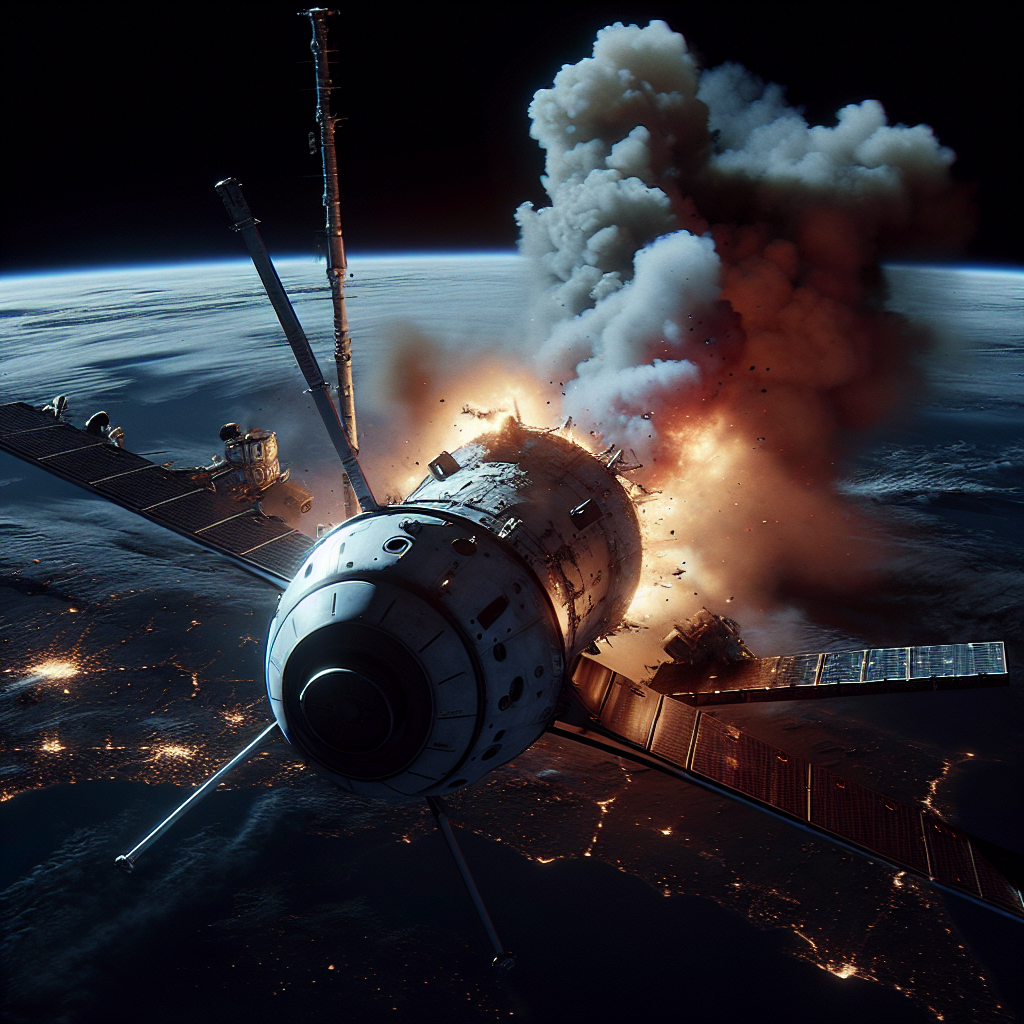
Space exploration has always been a frontier of human innovation and curiosity. As we push the boundaries of what’s possible, SpaceX stands at the forefront, constantly challenging the limits with cutting-edge technology. Recently, however, they encountered a significant setback: the Starship self-destructed after experiencing propellant leaks that led to fires and a communication blackout. This incident has generated much interest and speculation among the aerospace community and the public alike. Let’s delve into this intriguing episode, unravel the mysteries surrounding the event, and explore what it means for the future of SpaceX’s ambitious plans.
The Timeline of the Incident
Understanding what exactly transpired requires a step-by-step look at the timeline of events as they unfolded over that fateful day.
Initial Test and Launch Attempt
SpaceX decided to proceed with a critical test of their Starship, a spacecraft designed to take humans not only to the Moon and Mars but to redefine our reach in space travel.
- Launch window: The launch was scheduled during a critical window, with numerous pre-launch checks to ensure everything was in order.
- Objectives: To test the resilience of new design implementations under real-world conditions.
Early Signs of Trouble
Shortly after liftoff, observational data hinted at anomalies, leading to rigorous scrutiny of the spacecraft’s systems.
- Telemetry data: Detected irregularities in the propellant tanks.
- Communication issues: Early stages starred multiple communication attempts faltering.
Propellant Leak Detection
The situation intensified as sensors indicated propellant leaks, a critical issue given the sensitive nature of the materials involved:
- Type of leak: The propellants, a combination of liquid oxygen and methane, began to escape from the containment units.
- Consequences: Resulted in unmanageable fires onboard the ship.
Self-Destruct Initiation
In accordance with stringent safety protocols, SpaceX made the hard decision to initiate a controlled self-destruct:
- Why self-destruct?: This safety measure was chosen to avoid potential worse outcomes, protecting both infrastructure and human life.
- Execution: Done swiftly, minimizing risks of further unwanted events.
Impact on SpaceX’s Strategic Roadmap
The incident undeniably affects SpaceX’s tactical and long-term plans, creating ripples in the organization’s branding, systems, and future mission planning.
Immediate Reactions
Post-incident, SpaceX executed a strategic response plan to maintain transparency and integrity while addressing public and professional concerns.
- Public statements: Elon Musk, along with key executives, released statements to clarify the situation.
- Technical review: A comprehensive investigation commenced immediately.
Effects on Starship’s Development
This event provides both an obstacle and an opportunity for learning:
- Re-evaluation of systems: Every component of Starship is under the magnifying glass, leading to improved safety and design protocols.
- Feedback incorporation: Lessons will guide future crafting and assembly processes.
Propellant Leaks and Spacecraft Safety
Exploring deeper into the implications of such an incident offers a gateway into broader discussions on propellant management, safety protocol, and technological refinement.
Nature of Propellants Involved
SpaceX’s choice of propellant is both innovative and strategic, bringing a mix of challenges and advantages.
- Liquid oxygen and methane: Chosen for efficiency and performance, but complicated to handle.
- Advantages: Cost-effective, more efficient combustion process.
Safety Protocols in Play
Despite the incident, the robust safety protocols in place assured protection from a potentially far-worse scenario.
- Detection systems: Manuals and automatic systems robust enough to identify life-threatening leaks.
- Self-destruct mechanism: Essential last-resort action ensuring external safety.
The Path Forward: Learning from Setbacks
Every setback holds the seed for innovation, and SpaceX knows that well. This incident is no exception.
Next Steps in Investigation
SpaceX’s multi-disciplinary teams are now focused on rigorous research and development to address the incident directly:
- Detailed inspection: Engaging engineering teams to review each component.
- Simulations and tests: Further testing to replicate and solve the root problems.
Redefining Risk Management
Incident-based learnings shape the future of space risk management and design refinement.
- Enhanced checks: Incorporation of even more detailed pre-launch diagnostics.
- Safety system upgrades: Developing next-gen safety protocols that adapt quickly to emerging threats.
Conclusion
While the Starship’s self-destruction was a setback, it also marks a pivotal learning chapter, embodying SpaceX’s commitment to pioneering safer, more reliable off-world missions. The tenets of innovation dictate learning through both triumphs and tribulations, and this event will doubtlessly augment future endeavors in space exploration. For SpaceX, the incident serves as a reminder of the continuing challenges inherent in the pursuit of interstellar exploration, propelling them to forge ahead, armed with renewed insights and technological courage.
The world watches as SpaceX continues to expand the horizons of possibility, transcending this incident with the resilient spirit that has always defined human exploration. As the journey continues, each step will echo in the annals of space history, crafting a narrative of dynamism, exploration, and relentless pursuit of knowledge.