
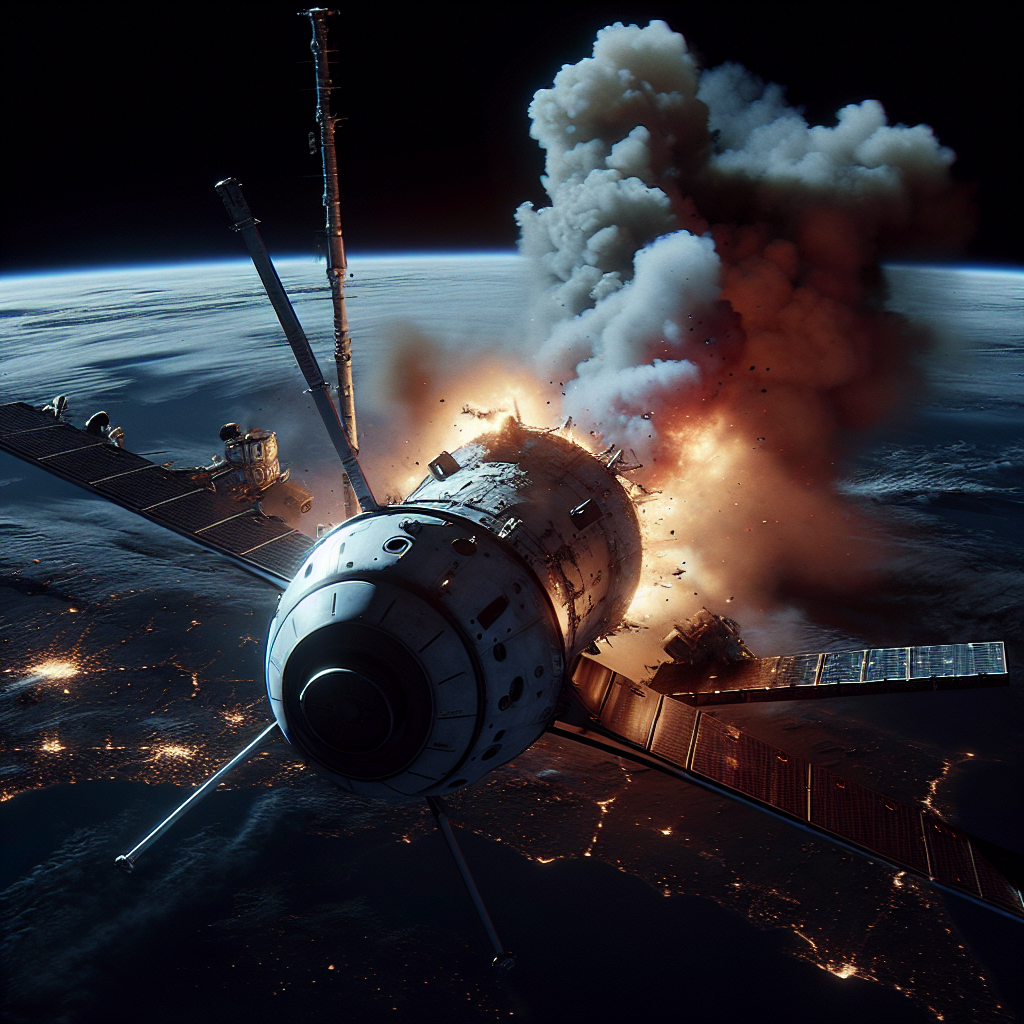
SpaceX’s Starship Self-Destruct: Unveiling the Causes and Implications
Space exploration has always been a realm of fascination and excitement. The dream of voyaging beyond Earth and the confines of our known world captures the imagination of millions. Among modern-day pioneers, SpaceX, founded by Elon Musk, stands at the forefront of this cosmic quest. Recently, SpaceX’s Starship prototype self-destructed after facing significant challenges, including propellant leaks that caused fires and a subsequent communications blackout. In this comprehensive article, we delve into the causes of these issues, the aftermath, and what it means for the future of space travel.
Understanding Starship: SpaceX’s Visionary Rocket
What is the Starship?
Starship is SpaceX’s ambitious project designed to revolutionize space travel. It is a fully reusable spacecraft engineered for missions to the Moon, Mars, and beyond. Visionary in its design, Starship aims to make space travel more accessible and cost-effective.
- Key Features of Starship:
- Capacity: Designed to carry over 100 passengers or 100 tons of cargo.
- Reusability: Built to be launched, landed, and relaunched multiple times.
- Versatility: Capable of various missions—from space tourism to interplanetary colonization.
Why Starship Matters
This groundbreaking project is more than just a rocket; it symbolizes a shift towards sustainable and affordable space exploration. Plans include:
- Facilitating human colonization of Mars.
- Reducing the cost of sending materials into space.
- Opening the frontier of space tourism.
The Incident: What Went Wrong?
In April 2023, a test flight of SpaceX’s Starship encountered multiple issues, leading to its self-destruction. This incident was a significant event that unveiled various technological challenges.
Propellant Leaks and Fires
One of the pivotal issues was the leakage of propellants, which resulted in onboard fires. Here’s what likely transpired:
- Methane and Oxygen Leaks: Starship utilizes a combination of liquid methane and liquid oxygen as propellants. Leaks were reported in the tanks containing these substances.
- Fire Hazards: The highly volatile nature of the propellants meant that any leak could easily result in combustion, leading to fires on board.
Communications Blackout
Following the initial complications with the propellants, the Starship faced a communications blackout. This highlights another crucial challenge:
- Loss of Communication: The blackout hindered the ability to control and monitor the spacecraft effectively from ground stations.
- Impact on Safety Protocols: Inability to communicate escalated the risk, compromising any remote rectification efforts.
SpaceX Protocols: Managing a Crisis
Despite the setback, SpaceX handled the situation with vigilance and adherence to safety protocols culminated in the Starship’s self-destruction – a measure to prevent further damage or unintended consequences.
Self-Destruct Mechanism
SpaceX’s protocol ensures that any spacecraft exhibiting catastrophic failure is safely dismantled to mitigate risks:
- Automated Destruction: Built-in mechanisms ensure the spacecraft disintegrates in the event of uncontrollable malfunctions.
- Environmental Consideration: This process considers environmental safety, reducing ground impact.
The Aftermath: Lessons and Future Strategies
Learning From Mistakes
Each flight, successful or otherwise, is an opportunity to learn and improve:
- Technical Diagnostics: Comprehensive investigations into the root causes of the incident are underway.
- Design Improvements: Identifying weak points will drive enhancements in design and safety.
Enhancing Safety Measures
The incident has highlighted the need for strengthened safety mechanisms:
- Improved Leak Detection: Enhanced sensors and algorithms to detect and prevent propellant leaks.
- Communication Redundancies: Implementing multiple fail-safes to maintain communication channels.
Implications for Future Space Missions
The insights gained will play a key role in shaping the trajectory of future space missions:
Impact on SpaceX’s Timeline
Despite setbacks, SpaceX remains committed to its timeline, albeit with adjustments:
- Reevaluated Deadlines: Timelines may be revised to address the new challenges adequately.
- Focus on Quality Assurance: Long-term reliability takes precedence, ensuring future flights meet heightened standards.
Broader Implications for Space Travel
This incident isn’t just an obstacle but a stepping stone towards more robust space exploration technologies:
- Industry-wide Reforms: Encouraging a broader industry focus on safety and reliability.
- Public Confidence: Demonstrating transparency and resilience in problem-solving fosters public trust in science and technology advancements.
Conclusion: The Sky is Not the Limit
In space exploration, setbacks like the one faced by SpaceX’s Starship are part of a bigger narrative of discovery and learning. They serve as reminders of the complexities involved in reaching the stars. Despite the challenges, humankind continues its quest for knowledge, driven by the indomitable spirit of exploration. SpaceX, with its ambitious goals and innovative spirit, remains a pivotal player in shaping the future of space travel. The self-destruction of Starship marks not just an end, but the beginning of a journey filled with promise and potential.
Space exploration, after all, epitomizes humanity’s relentless pursuit of the unknown, and each challenge overcome is a step closer to the stars.
For further updates on SpaceX and their projects, stay tuned! Subscribe to our newsletter for the latest in space exploration developments.
Related Topics:
- The Technology Behind SpaceX’s Rockets
- History and Milestones in Space Exploration
- The Future of Interplanetary Travel with SpaceX