
The Starship Conundrum: SpaceX’s Explosive Challenges and Lessons Learned
In an era where space exploration has become synonymous with innovation and adventure, SpaceX stands as a beacon of progress and ambition. With its eyes set on Mars, the company’s Starship endeavors captivate the world. However, even the most promising ventures face setbacks. Recently, SpaceX announced that its Starship prototype self-destructed following propellant leaks, which ignited fires and led to a communications blackout. While it’s a challenging chapter, this event offers a deep well of insights and stories worthy of exploration. This article delves deep into what happened, why it happened, and how SpaceX is forging ahead despite the challenges.
Understanding the Starship Setback
What Happened?
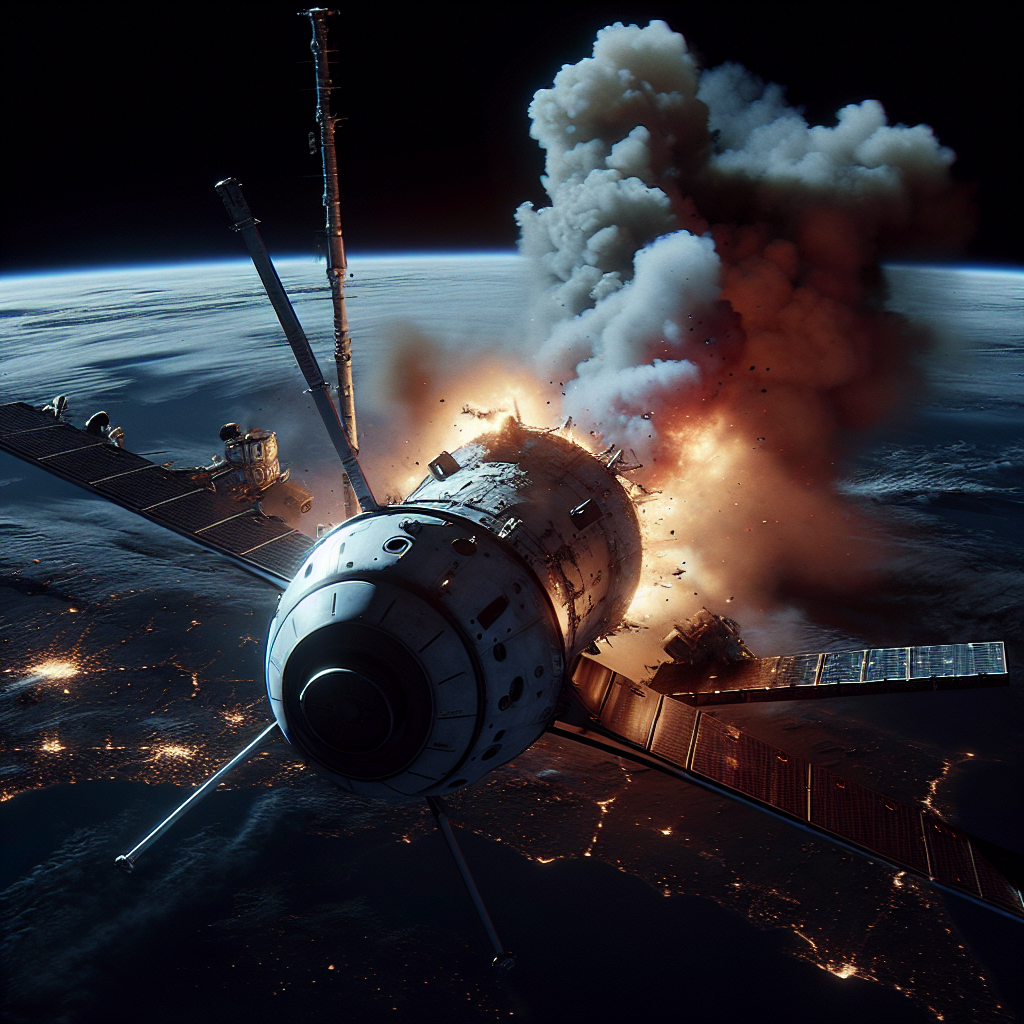
On their quest to redefine space travel, SpaceX encountered a hurdle during one of their test flights. The company reported that a significant propellant leak occurred in the Starship’s engine, leading to unexpected fires. This was followed by a complete communications blackout, forcing the team to trigger the vehicle’s self-destruct mechanisms to ensure safety.
What Are Propellant Leaks?
For anyone not steeped in aerospace terminology, a propellant leak refers to the unplanned or uncontrolled escape of substances like liquid oxygen and methane—key fuels used by Starship—from the vehicle. Such leaks can cause significant risks:
- Combustion and Fire Hazards: When propellant comes into contact with an ignition source, it can rapidly combust, leading to catastrophic fires.
- Structural Damage: Escaping gases can undermine the integrity of the ship’s materials and construction.
- Loss of Control: Resultant fires or pressure changes can render the vehicle uncontrollable.
The Impact of Communication Blackouts
Importance of Communication Systems
In the meticulous ballet of space flight, communication systems are the invisible threads weaving operations and safety into a seamless tapestry. They allow ground teams to monitor systems, adjust trajectories, and address issues in real-time.
Consequences of a Blackout
When these communication lines drop:
- Lack of Remote Intervention: Ground teams can’t intervene with solutions or corrective actions.
- Data Loss: Vital telemetry data necessary for understanding the anomaly might be lost.
- Increased Risk: Without communication, automatic or redundant safety protocols may be unactivated, leading to escalated risks.
Analyzing SpaceX’s Response
The Decision to Self-Destruct
SpaceX’s choice to self-destruct the Starship prototype wasn’t made lightly. This decisive action underscores a commitment to safety and control. If a vehicle becomes unviable or hazardous, self-destruction eliminates potential risks, such as uncontrolled debris impacts or unintended landfall.
Lessons Learned
This incident becomes a powerful learning opportunity for SpaceX:
- Enhanced Design: Revisiting and refining Starship’s design to address leak susceptibility.
- Redundancy in Systems: Incorporating secondary or backup systems to prevent total communication blackouts.
- Rigorous Testing: Doubling down on ground tests to simulate potential failure points under various conditions.
Broader Implications for Space Exploration
Industry-Wide Awareness
SpaceX’s transparency about this setback acts as a wakeup call for other industry players. Every agency and company must confront challenges of:
- Component Reliability: Ensuring every part of a space vehicle can withstand unexpected stresses.
- Data Preservation: Innovating ways to safeguard telemetry data even during anomalies.
- Risk Management Protocols: Developing protocols that prioritize personnel safety and environmental considerations above all.
The Road Ahead for SpaceX and Starship
Despite the setback, SpaceX has made it clear that their vision to make life multi-planetary is undeterred. Here’s how the company plans to navigate forward:
Continuous Innovation
SpaceX is renowned for its iterative design process. With every setback, their engineers and scientists attain new insights, leading to:
- Refined Technology: Addressing flaws and iterating with newer, more robust technologies.
- Efficient Problem-solving: Employing data from failures to expedite solutions for future launches.
Rebuilding Confidence
For SpaceX, rebuilding confidence isn’t just about engineering prowess but also about community engagement:
- Public Engagement: Continued communication with the public to demystify spaceflight risks.
- Collaborations: Partnering with international agencies to synergize problem-solving approaches.
Conclusion: Progress Through Perseverance
In the grand tapestry of space exploration, every failure carries the seed of future triumphs. SpaceX’s Starship setback serves as a reminder of the complexities and ambitions inherent in aiming for the stars. In embracing their hurdles—be it propellant leaks or communication blackouts—SpaceX continues to light the path for future explorers. The journey to Mars and beyond may be fraught with challenges, but with determination and innovation as their guide, success is not just possible—it’s inevitable.
By embracing transparency and tenacity, SpaceX’s trajectory continues upward, reinforcing a universal truth: in the realm of exploration, it’s not the setback, but the comeback, that defines destiny.
With each trial, both SpaceX and humanity come closer to unraveling the mysteries of the cosmos. A future where life thrives among the stars is within reach, testament to human ingenuity and spirit.