
Starship’s Fiery Challenge: The Inside Story of SpaceX’s Latest Test and the Lessons Learned
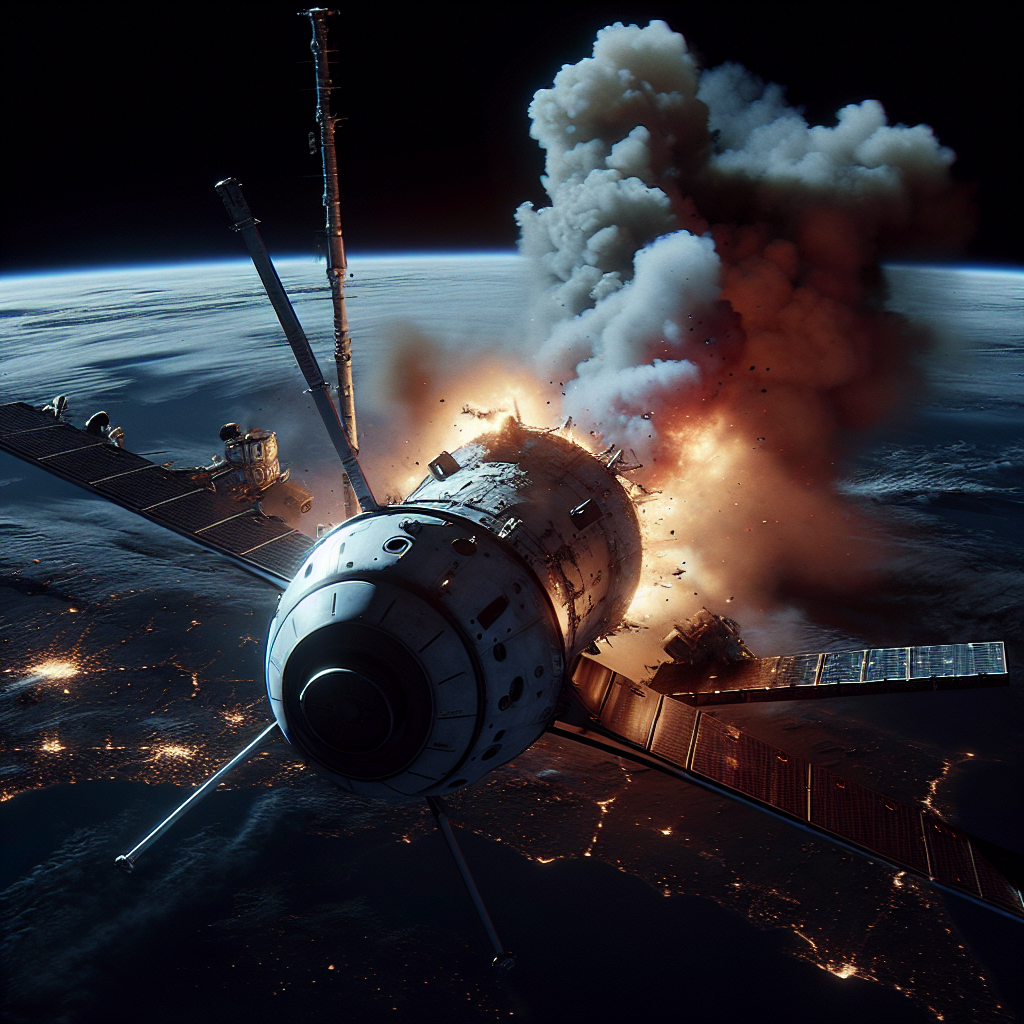
SpaceX, the visionary aerospace company founded by Elon Musk, is no stranger to pushing the boundaries of possibility. However, the road to Mars is filled with twists, turns, and technical challenges. Recently, SpaceX faced another hurdle when its Starship vehicle experienced a self-destruction sequence due to propellant leaks that ignited fires and caused a communication blackout. While such incidents are part of the iterative design process in space exploration, they provide valuable lessons and insights that propel the industry forward. In this article, we delve into the causes behind this dramatic event, the implications for SpaceX, and the ongoing mission to reach the stars.
Understanding the Incident: What Happened to Starship?
Starship, the towering spacecraft designed for missions to Mars and beyond, faced a critical test that ended with a self-destruction sequence. But what exactly led to this situation?
The Technical Details
The incident was primarily attributed to propellant leaks that triggered a sequence of unfortunate events:
- Leakage: The leaks occurred in the propellant system, which is critical for feeding fuel into the spacecraft’s engines.
- Fires: These leaks led to the ignition of fires, a severe risk when working with highly volatile substances.
- Communication Blackout: As the situation escalated, the communication systems became inoperable, resulting in a blackout.
Self-Destruction: A Necessary Action
In spaceflight, safety protocols dictate that if a vehicle becomes non-recoverable and poses a risk to human life or vital assets, a self-destruction or flight termination system (FTS) is activated:
- This ensures that the vehicle does not veer off course or result in a catastrophic loss.
The Aftermath
Once the incident was resolved, SpaceX began an intense investigation process to understand the root cause and prevent future occurrences:
- Data Analysis: Engineers sifted through data collected during the test to identify the sequence of failures.
- Component Examination: Key components from the vehicle were thoroughly examined to pinpoint manufacturing or design flaws.
Why Propellant Leaks Occur: Common Causes
Understanding why propellant leaks happen can illuminate why incidents like this might occur in cutting-edge aerospace projects.
Design Complexity
- Intricate Systems: Modern spacecraft employ complex systems that include numerous pumps, valves, and seals. Any failure in these components can lead to leaks.
- Material Stress: Repeated exposure to high-stress environments can cause wear and degradation in materials, leading to failures.
Manufacturing and Assembly
- Precision Challenges: Manufacturing flaws or slight misalignments during the assembly process can create vulnerabilities.
- Quality Control: Even with rigorous quality control, minor imperfections may slip through in large-scale production.
Human Error
- Mistakes in procedure or oversight during maintenance and pre-flight checks can introduce weaknesses into the system.
Implications for SpaceX and the Space Industry
SpaceX operates in a high-stakes environment where every decision and every test can impact the future of space exploration. So, what does this incident mean for the company and the broader field?
Short-Term Setbacks
- Delays: Schedule adjustments are inevitable as investigations are conducted and issues are resolved.
- Resource Allocation: Additional manpower and financial resources may be required to address the identified problems.
Long-Term Prospects
- Innovation: Lessons learned from setbacks often lead to technological advancements and more robust designs.
- Resilience: Demonstrating the ability to recover and learn from challenges strengthens SpaceX’s standing in the industry.
The Path Forward: Ensuring Success for Future Launches
While setbacks in space exploration can be daunting, they pave the way for innovations that can change the course of humanity’s journey into the cosmos. What steps is SpaceX likely to take to ensure that such incidents do not recur?
Enhanced Safety Protocols
- Rigorous Testing: More comprehensive pre-flight tests can help identify vulnerabilities before they lead to failures.
- Redundant Systems: Implementation of redundant safety features can provide backup options if primary systems malfunction.
Improved Communication Systems
- Ensuring that robust communication lines exist in all scenario conditions can prevent blackouts during critical tests.
Learning from History
- Industry Collaboration: Open communication and shared lessons with other aerospace entities can lead to industry-wide improvements in safety and technology.
Community Engagement
- Public Transparency: Keeping the public informed about challenges and successes helps build community support and trust.
Conclusion: A Step Toward the Stars
SpaceX’s vision of reaching Mars is one of the most ambitious projects of our time. While incidents like the recent Starship self-destruction are complex and costly, they are steps along the path to achieving what was once thought impossible. Each challenge surmounted by SpaceX sets a new precedent in space travel, showcasing human ingenuity and the relentless pursuit of discovery. As we look to the skies, it’s crucial to remember that every setback is a setup for a comeback. The journey to Mars continues, bolstered by lessons learned and an unwavering commitment to explore the final frontier.
By approaching these challenges with transparency, innovation, and collaboration, SpaceX is not just pushing the boundaries of technology but expanding the horizon of human potential.