
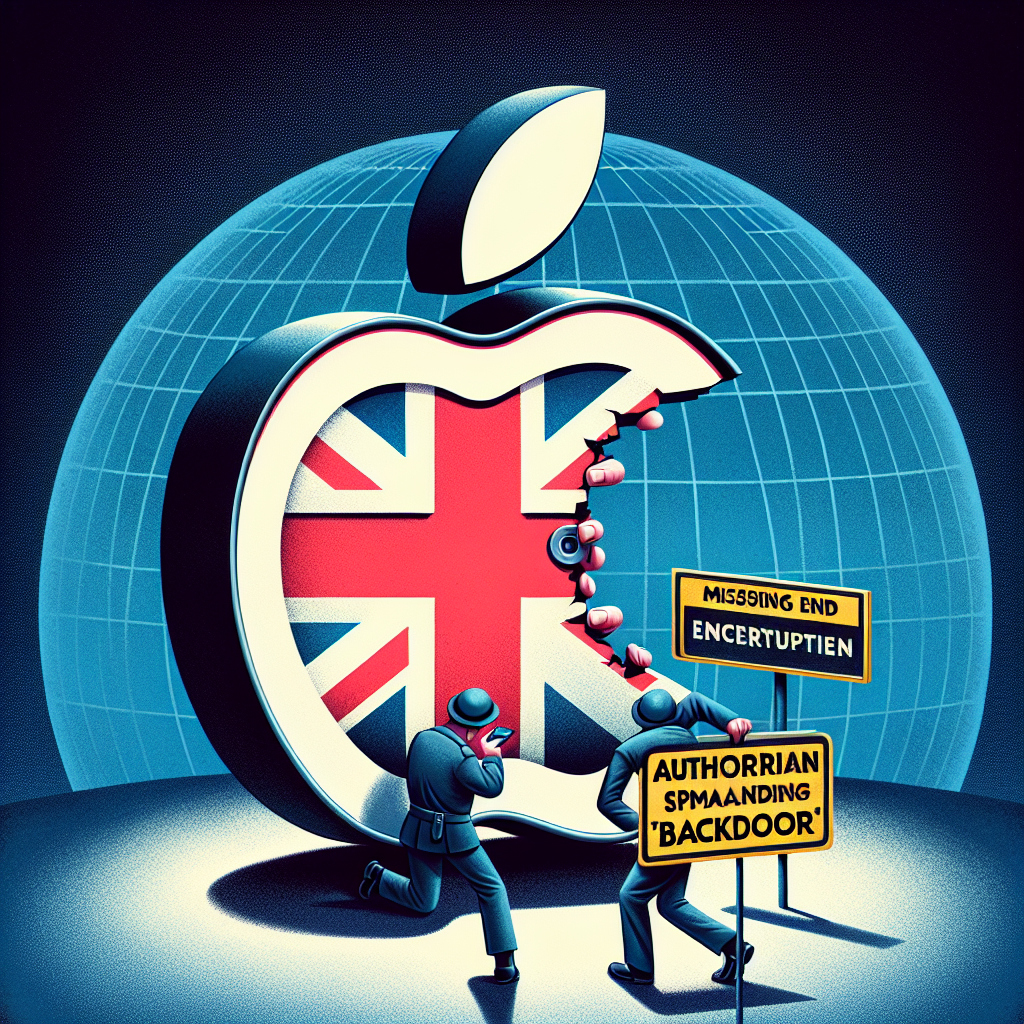
Apple Halts iCloud End-to-End Encryption for UK Users: A Pivot Driven by Governmental Pressures
In an era where privacy and data protection are becoming increasingly significant, the topic of end-to-end encryption is at the forefront of many debates. Recently, Apple’s decision to suspend its iCloud end-to-end encryption for UK users following requests from the government to create a backdoor has stirred the tech world. This move raises questions about privacy, security, and the extent to which governments should have access to user data.
In this article, we will delve deep into this controversial decision, exploring the implications for UK users, the government’s rationale, Apple’s standpoint, and what this could mean for the future of digital privacy.
What Led to Apple’s Decision?
Apple is renowned for its strong stance on personal privacy and security. So, why did it decide to pull back on offering end-to-end encryption for its UK users? Let’s explore the key factors involved:
The Government’s Demand for a Backdoor
The UK government, through its controversial legislative instruments like the Investigatory Powers Act, often termed the “Snooper’s Charter,” has been vocal about tech companies providing access to encrypted data. Their argument is based on national security concerns, emphasizing the need to access communications that could potentially involve criminal activity. They believe:
- National Security: Access to encrypted data could aid in thwarting terrorism and other high-risk threats.
- Law Enforcement: Facilitating lawful investigations by making crucial evidence accessible.
- Regulatory Compliance: Ensuring tech companies adhere to the legislative framework, maintaining a degree of oversight.
Apple’s Privacy Policy and Encryption Innovations
Apple has championed privacy as a fundamental human right, emphasizing consumer protection and data security. Key points in their policy include:
- End-to-End Encryption: Meant to ensure that only the sender and the receiver can access their messages.
- Data Encryption: While data is stored on their servers, Apple has historically refrained from accessing this information without explicit user consent.
- Privacy Innovations: Ranging from three-factor authentication to advanced encryption protocols, providing layers of security.
However, the pressure from the UK government seems to have led Apple to reconsider its stance for users in that region.
Implications for UK Users
For UK users, this move could have significant repercussions on their data privacy and security. Here’s what to be aware of:
Privacy and Security Concerns
The suspension of end-to-end encryption means that:
- Decreased Privacy: User data could potentially be accessed by third parties.
- Increased Vulnerability: With no encryption, data might be more susceptible to breaches and unauthorized access.
- Erosion of Trust: Users may find themselves questioning the security promises made by tech giants.
User Sentiment and Action
The reaction from users varies greatly:
- Outrage and Dissent: A significant number fend off Apple’s decision as a privacy breach.
- Adaptation: Some users are willing to adjust, prioritizing security over complete privacy, given national threats.
- Migration: Other users may migrate to services and platforms that offer stronger encryption and user privacy assurances.
Examining both Perspectives: Apple & the UK Government
To comprehend the ongoing debate, it’s crucial to weigh the perspectives of both Apple and the UK government:
Apple’s Argument and Global Implications
Apple’s approach to privacy is guided globally by the challenge of balancing consumer privacy with lawful access:
- Universal Standards: Apple champions creating privacy norms that can be applied uniformly across regions.
- Safeguarding Innovation: Creating a backdoor could potentially stifle innovation by prioritizing compliance over user experience.
- Precedent Risk: Adhering to one country’s demand might lead others to impose similar requests, affecting global operational standards.
The Government’s Stance: A Security Perspective
The UK government is focused on:
- Nationwide Protection: With crime becoming more digitally oriented, authorities advocate for proactive access to prevent threats.
- Swift Justice Implementation: With backdoors, legal bodies could access potential evidence without delays, ensuring responsive justice.
Potential Future Outcomes
The ongoing situation presents a myriad of future possibilities:
The Global Scene for Privacy and Encryption
- Legislative Changes: With increasing demands for data access, more countries may revise their laws, influencing global digital privacy standards.
- Tech Evolution: Companies may innovate new ways to ensure user data remains secured without complete withdrawal of encryption.
- Consumer Empowerment: Users may become more aware of their data rights, fuelling demand for more transparent services.
The Path Forward: Compromise or Standoff?
We Need Balance: The situation underscores the necessity of balancing privacy and security. Ideal resolutions may include:
- Engaging in Public Dialogues, helping citizens grasp the need for privacy alongside security obligations.
- Drafting Clear Policies addressing how personal data can be accessed legally, safely, and responsibly.
Action Steps for Users
Facing these privacy challenges, users should:
- Stay Informed: Remain updated on new terms and policies affecting data privacy.
- Evaluate Alternatives: Look for other services prioritizing their privacy needs.
- Advocate for Transparency: Support petitions, councils, and initiatives calling for clear privacy practices.
In summary, Apple’s decision to halt iCloud end-to-end encryption for UK users highlights ongoing global tensions between user privacy and governmental security needs. While the outcome remains unfolding, open dialogues and informed user actions will play paramount roles in shaping the future of digital privacy.
This shift is more than just a technological adjustment; it is a social issue necessitating collective considerations on privacy and security. Stay engaged, informed, and part of the conversation.