
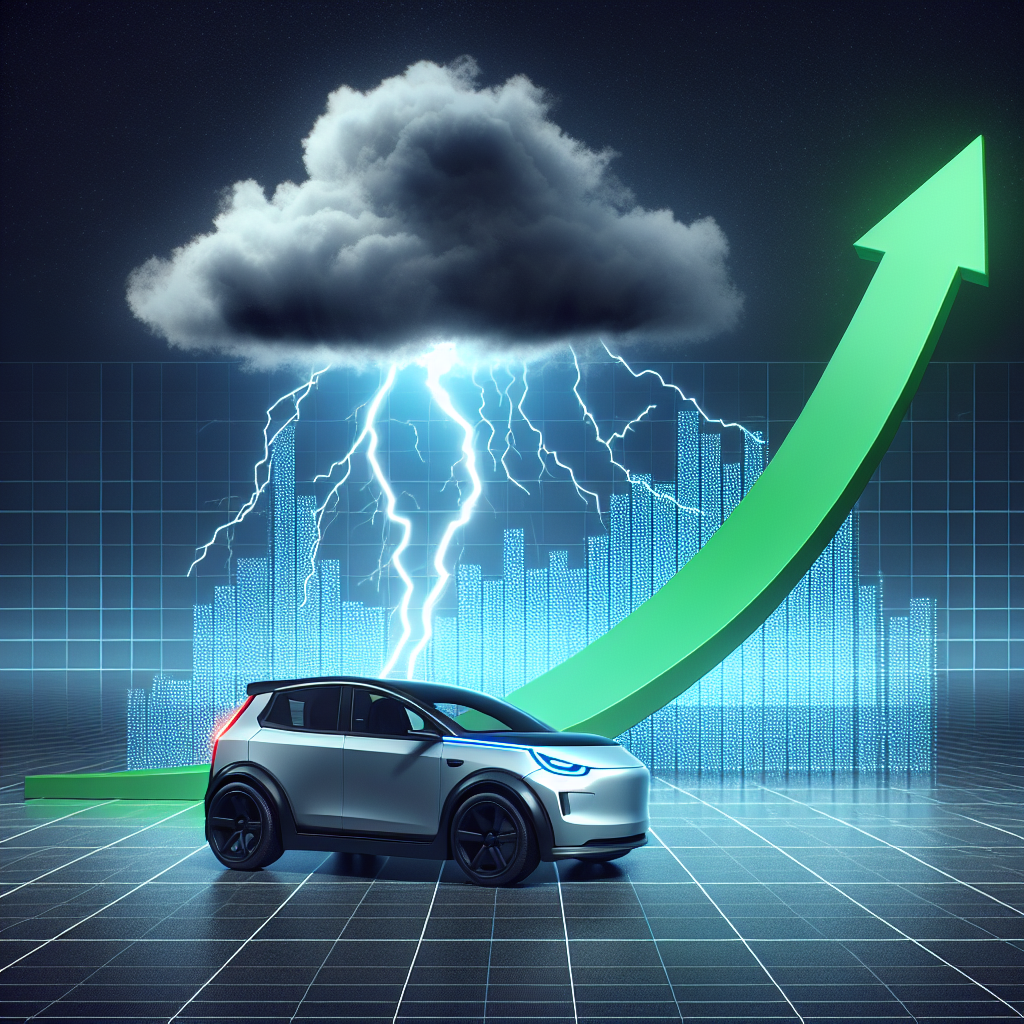
Rivian’s Path to Profitability: Navigating Roadblocks and Policy Changes
In the race to electrify the automotive industry, Rivian—a rising star in the electric vehicle (EV) world—has been capturing headlines with its innovative products and rapid developments. Yet, as it inches closer to achieving profitability, Rivian issues a word of caution: ‘changes to government policies’ could pose significant challenges. This article explores Rivian’s journey towards profitability, the hurdles imposed by potential policy shifts, and what this means for the future of electric vehicles.
Rivian: A Brief Overview
Rivian Automotive, Inc. is an American electric vehicle manufacturer and automotive technology company established in 2009. Headquartered in Plymouth, Michigan, Rivian is recognized for its high-performance all-electric trucks and SUVs. With models like the R1T pickup truck and the R1S SUV, Rivian aims to redefine adventure with a focus on sustainability and electric efficiency.
Key Achievements
- Innovative Vehicle Launches: Rivian made waves with its R1T and R1S models, pushing the envelope with their rugged capability and impressive electric range.
- Strategic Partnerships: Rivian’s alliances with giants like Amazon have bolstered its market position, with Amazon ordering 100,000 electric delivery vans.
- Strong Financial Backing: A series of funding rounds, with investors like Ford and T. Rowe Price, have provided the necessary financial muscle to challenge established automakers.
The Road to Profitability
Milestones Achieved
Rivian has made substantial progress in recent years, building a robust production infrastructure and establishing a brand synonymous with adventure and sustainability. Key factors contributing to its path towards profitability include:
- Scaling Production: Rivian’s production ramp-up at its manufacturing plant in Normal, Illinois, is a crucial component of its profitability strategy. As production numbers increase, economies of scale will help to reduce costs.
- Expanding Market Reach: By targeting not just adventurous consumers but also fleet operators, Rivian taps into diversified revenue streams, reducing reliance on any single customer base.
- Advanced R&D Investments: Staying ahead of technological trends is vital. Rivian’s focus on R&D ensures it remains at the cutting edge of battery technology, autonomous driving features, and connected services.
Potential Policy Challenges
Government Policy and Its Impacts
While progress is palpable, Rivian signals a red flag—government policy changes could impede its path to profitability. Here’s how:
Tax Incentives and Subsidies
- Current Benefits: Rivian, along with other EV manufacturers, benefits significantly from government tax credits and subsidies, making electric vehicles more attractive to consumers by lowering their effective cost.
- Potential Changes: Any reduction or removal of these incentives could diminish the price advantage electric vehicles hold over traditional combustion vehicles, potentially slowing EV adoption rates.
Regulatory Shifts
- Emission Regulations: While stricter emission norms support the broader adoption of EVs, sudden regulatory changes might impose steep compliance costs, impacting Rivian’s profitability margins.
- Trade Policies: Tariff adjustments on essential materials like lithium used in batteries could inflate production costs, subsequently affecting pricing strategies.
How Rivian Plans to Mitigate Risks
Rivian is proactively strategizing to cushion against adverse policy impacts by:
- Diversified Manufacturing: Establishing production facilities in different regions to mitigate risks associated with trade policy fluctuations.
- Streamlined Supply Chains: Optimizing supply chains to curtail dependency on vulnerable geopolitical areas, ensuring steady access to essential materials.
Market Dynamics Shaping Rivian’s Future
Competition in the EV Arena
The electric vehicle landscape is highly competitive, with entrants ranging from established automakers to tech-driven startups. Rivian’s differentiation lies in:
- Target Market: Rivian has carved a niche by focusing on adventure-centric EVs, contrasting with Tesla’s luxury vehicles or Nissan’s urban-friendly designs.
- Product Excellence: Rivian prioritizes rugged, high-performance vehicles replete with cutting-edge technology, appealing to a growing segment of eco-conscious consumers who do not want to compromise on performance.
Consumer Sentiment and Behavioral Trends
Understanding consumer sentiment is vital for Rivian. Key trends include:
- Eco-Consciousness: An increasing number of consumers are gravitating towards sustainable transportation, aligning with Rivian’s eco-friendly ethos.
- Technology Savvy: Modern consumers prioritize technology and connectivity, areas where Rivian excels with features like ‘Rivian Adventure Network’ and in-vehicle Wi-Fi.
Conclusion: Steering Towards Sustainability
As Rivian navigates its way towards profitability, the dual aspects of operational scalability and strategic risk management are what will determine its trajectory. While potential government policy changes introduce uncertainty, Rivian’s proactive approach in addressing these risks showcases its commitment to sustainability and innovation.
For consumers, the takeaway is clear: Rivian remains a noteworthy contender in the burgeoning EV sector, promising vehicles that beautifully blend performance, sustainability, and technology. As the EV market evolves, so too will the narrative of Rivian—a company poised to redefine what is possible for electric vehicles, while cognizant of the regulatory and market landscapes that shape its journey.
By keeping a close eye on policy changes and market trends, Rivian aims to not only survive but thrive in the dynamic automotive environment, steering ever closer to profitability while paving the road for a sustainable future.
Get Social
Stay connected and follow Rivian’s journey on their official social channels, where updates on models, sustainability tips, and the latest EV news are always on hand. Join the conversation and be part of the future of transportation!
This article encompasses an overview of Rivian’s business landscape, potential challenges, and market trends, providing a comprehensive analysis aimed at engaging readers with both an interest in electric vehicles and broader industry trends.