
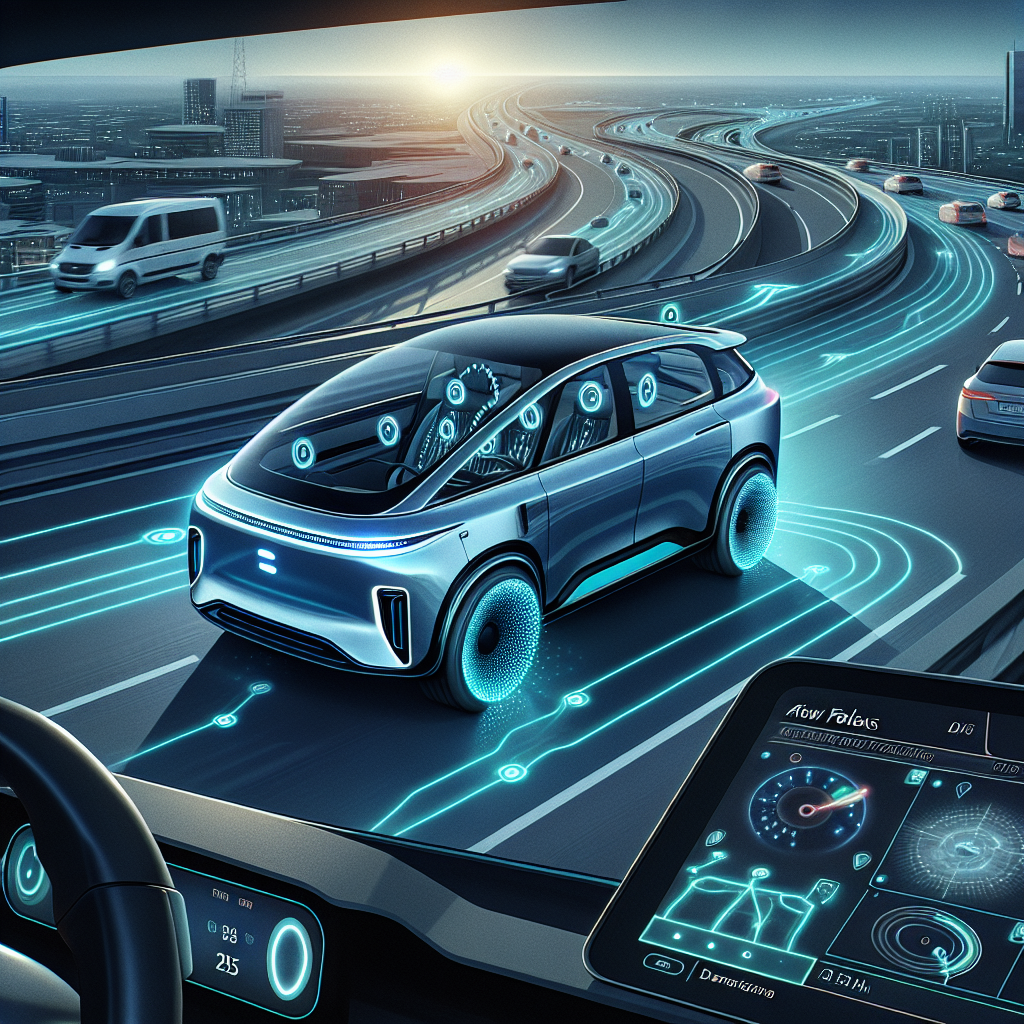
Rivian Set to Revolutionize the Roads: Hands-Off Highway Driver Assist Launch Imminent!
Rivian, a company synonymous with innovation in the electric vehicle market, is poised to launch its much-anticipated hands-off highway driver assist feature in just a few weeks. As the automotive industry shifts gears towards autonomy and electrification, Rivian is steering its own course with ground-breaking technology that promises to change the way we drive. This new feature is not just about taking your hands off the wheel; it’s about mirroring the future of driving where convenience, safety, and environmental consciousness intersect on the highways.
In this article, we will explore how Rivian’s latest innovation is set to redefine long drives, discussing its implications for safety, technology integration, and world market trends.
The Age of Autonomous Driving
The journey to autonomous driving has been a long and winding road with many unforeseen challenges, but it’s one that Rivian is navigating with impressive dexterity. The hands-off highway driver assist is a testament to how far the industry has come.
The Backstory: Autonomous Driving Evolution
In the early days, autonomous driving seemed like a fantasy belonging to the realm of science fiction. Early models of driver-assist technology were limited to basic cruise control. However, the progression to advanced driver-assist systems that include steering, acceleration, and braking is what marks the current age of near-autonomous vehicles.
What Does Hands-Off Driving Mean?
Hands-off driving refers to an advanced form of driver assistance where the vehicle can control critical functions, such as steering and speed, without direct human intervention on certain roads. In Rivian’s case, this technology is designed principally for highway driving, where consistent speeds and clear lane markings make automation more viable.
Rivian’s Hands-Off Highway Driver Assist
Key Features of Rivian’s System
Rivian’s hands-off highway driver assist system doesn’t just alleviate the physical strain of long drives but elevates the driving experience through cutting-edge technology.
- Adaptive Cruise Control: Continuously adjusts vehicle speed to maintain a safe distance from the car in front.
- Lane Centering: Automatically keeps the vehicle centered within the lane, even on curves.
- Traffic Sign Recognition: Detects and responds to relevant road signs to adjust speed or provide alerts.
- Enhanced Sensor Suite: Utilizes cameras, radar, and LIDAR to create a 360-degree view, ensuring the system can accurately perceive its surroundings.
How Safe Is It?
Safety remains a paramount concern. Rivian’s system is equipped with multi-redundancy measures, meaning it is capable of handling system failures without compromising safety. Additionally, user-friendly design ensures drivers can take manual control effortlessly if needed.
Rivian’s Software and Updates
Rivian commits to over-the-air updates, meaning their vehicles’ software can be kept up-to-date with the latest performance improvements and security fixes without requiring a trip to the dealership.
The Road Ahead: Implications for the Market and Drivers
Market Impact
The introduction of Rivian’s hands-off highway driver assist feature signifies more than just a technological milestone; it reflects a pivotal moment for consumer trust and market growth in autonomous vehicles.
- Competitive Edge: By differentiating themselves with high-level autonomy, Rivian secures a position that challenges the likes of Tesla, which is currently a leader in the autonomous driving space.
- Consumer Appeal: Enhanced convenience and the potential for less stressful commutes make these vehicles appealing, potentially attracting new users to the electric vehicle segment who were previously wary of making the switch.
Economic and Environmental Considerations
- Fuel Economy: By optimizing speed and acceleration, hands-off systems can contribute to improved energy efficiency, an added benefit for electric vehicle users looking to extend their range.
- Environmental Impact: Widespread adoption could lead to significant reductions in emissions, especially if autonomous systems can lead to reductions in traffic congestion and improve traffic flow.
Future Trends and Innovations
What’s Next for Rivian?
As more hands-off driving systems are deployed, the next step is full autonomy. Rivian is likely to continue enhancing its systems, incorporating more urban-capable autonomous features and artificial intelligence for real-time decision making.
The Broader Picture: Industry-Wide Changes
- Infrastructure: Advances in autonomous driving will parallel improvements in road infrastructure, including smart traffic lights and digital road signals designed to interact with autonomous vehicles.
- Legal and Ethical Challenges: Regulation will continue evolving with technology. Governments, companies, and ethicists will need to collaborate to establish guidelines that ensure safety and privacy without stifling innovation.
Conclusion: A Shift in the Driving Paradigm
Rivian’s upcoming launch of its hands-off highway driver assist feature promises to reshape the future of driving. With safety, comfort, and convenience at the forefront, it aligns perfectly with a broader movement towards sustainable, intelligent transportation.
Stay tuned for more updates on this exciting development and be ready to witness an unprecedented transformation in the way we think about our journeys on the road.