
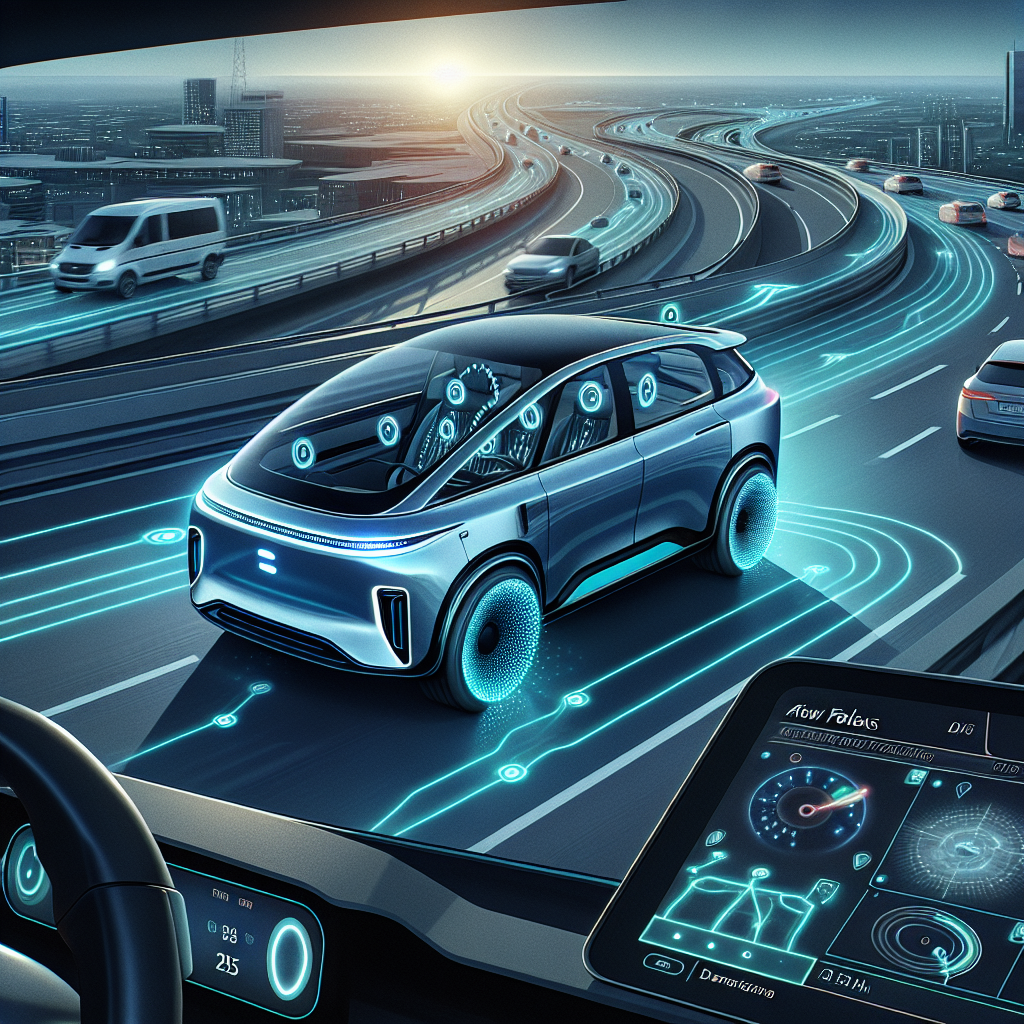
Rivian Set to Launch Hands-Off Highway Driver Assist: What You Need to Know
In the fast-paced world of automobile innovation, electric vehicle makers are racing not only to offer cleaner alternatives but also to push the boundaries of autonomous technology. Rivian, a notable player in the electric vehicle market, has announced an exciting new development: a hands-off highway driver assist feature that will roll out in just a few weeks. As consumers become increasingly interested in the evolution of car technology, Rivian’s announcement is set to capture significant attention. In this article, we’ll delve into what this new feature entails, how it stacks up against competitors, and what it means for the future of driving.
Understanding Rivian’s Hands-Off Highway Driver Assist
Rivian’s upcoming hands-off highway driver assist is designed to offer drivers a more relaxed and safer driving experience on long stretches of highways. Here’s what you need to know about this cutting-edge feature:
What is Hands-Off Highway Driver Assist?
Hands-off highway driver assist is a level 2 autonomous driving feature. This technology enables the car to control steering, acceleration, and braking on highways, allowing the driver to take their hands off the wheel while the system is engaged. Key aspects of this feature include:
- Automatic Lane Centering: Keeps the vehicle centered in its lane.
- Adaptive Cruise Control: Adjusts speed to maintain a safe following distance from the car ahead.
- Lane Change Assist: Smooth lane changes without driver intervention.
Rivian’s Approach to Autonomous Driving
Rivian emphasizes a balanced approach to autonomous driving, focusing on driver safety and vehicle reliability. Their hands-off highway driver assist is built with:
- Advanced Sensor Systems: Utilizes cameras, radar, and LIDAR to provide a 360-degree view of surroundings.
- Machine Learning Algorithms: Continuously learns and adapts to improve driving strategies.
- Safety-First Policy: Requires drivers to remain alert and ready to take over if necessary.
How Rivian’s Technology Compares to Competitors
In the realm of advanced driver assist systems, Rivian faces significant competition. Here’s how their hands-off highway driver assist compares to similar technologies from other automakers:
Rivian vs. Tesla’s Autopilot
Tesla has long been a leader in autonomous vehicle technology with its Autopilot system. Here’s a comparative analysis:
- Market Presence: Tesla’s autopilot is more established, but Rivian’s emerging technology offers a fresh, competitive alternative.
- User Experience: Rivian focuses on intuitive user engagement, whereas Tesla fans appreciate the tech-savvy edge.
- Safety Features: Rivian boasts rigorous safety protocols, something Tesla continually updates amidst scrutiny.
Rivian vs. GM’s Super Cruise
General Motors offers its Super Cruise as another formidable competitor. Key differences include:
- Geofencing: Super Cruise is primarily limited to mapped highways, whereas Rivian aims for broader applications.
- Facial Recognition and Monitoring: GM uses facial recognition to ensure driver attentiveness; Rivian’s approach involves more sensory feedback.
- Integration: Rivian’s feature is seamlessly integrated within an all-electric vehicle ecosystem.
The Impact on the Automotive Industry
Rivian’s hands-off highway driver assist has broader implications for the auto industry and consumers alike:
Revolutionizing Long-Distance Travel
Long road trips can be taxing. Rivian’s hands-off system aims to revolutionize how drivers experience extended periods on highways by:
- Reducing driver fatigue
- Enhancing comfort through minimal intervention
- Providing more consistent fuel/electric efficiency
Driving Towards a Fully Autonomous Future
While fully autonomous vehicles are not yet a reality, Rivian’s innovation is a crucial step toward this ambitious goal. Prospective benefits include:
- Increased road safety from reduced human error
- Improved traffic flow and reduced congestion
- Paving the way for smart cities and integrated transport systems
Challenges and Consumer Considerations
While Rivian’s hands-off highway driver assist marks a significant achievement, there are challenges and considerations for potential consumers:
Addressing Legal and Regulatory Hurdles
Autonomous technologies often face stiff regulatory hurdles. Considerations include:
- Adherence to varying local and national regulations
- Ensuring compliance with evolving safety standards
- Collaborating with policymakers to advance legal frameworks
Consumer Trust and Education
Building trust in autonomous systems is crucial for consumer acceptance. Rivian plans to:
- Educate consumers on safe usage through detailed guides and support systems
- Provide ongoing software updates for improved performance
- Address consumer concerns with transparency and proactive engagement
Economic Implications
Finally, the introduction of this feature may have economic implications, such as:
- Vehicle Costs: Initial premium pricing could be an entry barrier for some customers.
- Insurance Premiums: Variable insurance costs due to differing provider assessments of autonomous technology risks.
Conclusion: The Road Ahead for Rivian
Rivian’s venture into autonomous driving represents a major milestone in their journey to revolutionize the automotive industry with sustainable and cutting-edge technology. As hands-off highway driver assist technologies become more advanced, Rivian contributes to shaping a future where driving is not just safer but also more enjoyable and efficient. Whether it’s the promise of a less stressful commute or the allure of tech-savvy vehicles, Rivian’s latest innovation is set to capture the imagination of drivers around the world.
As Rivian gears up for this exciting launch, keep an eye on how they continue to innovate and navigate the evolving landscape of autonomous vehicle technology. The road ahead is indeed promising with Rivian leading the charge in creating a seamless driving experience. Stay tuned as we bring you more updates on this thrilling journey towards a sustainable automotive future.