
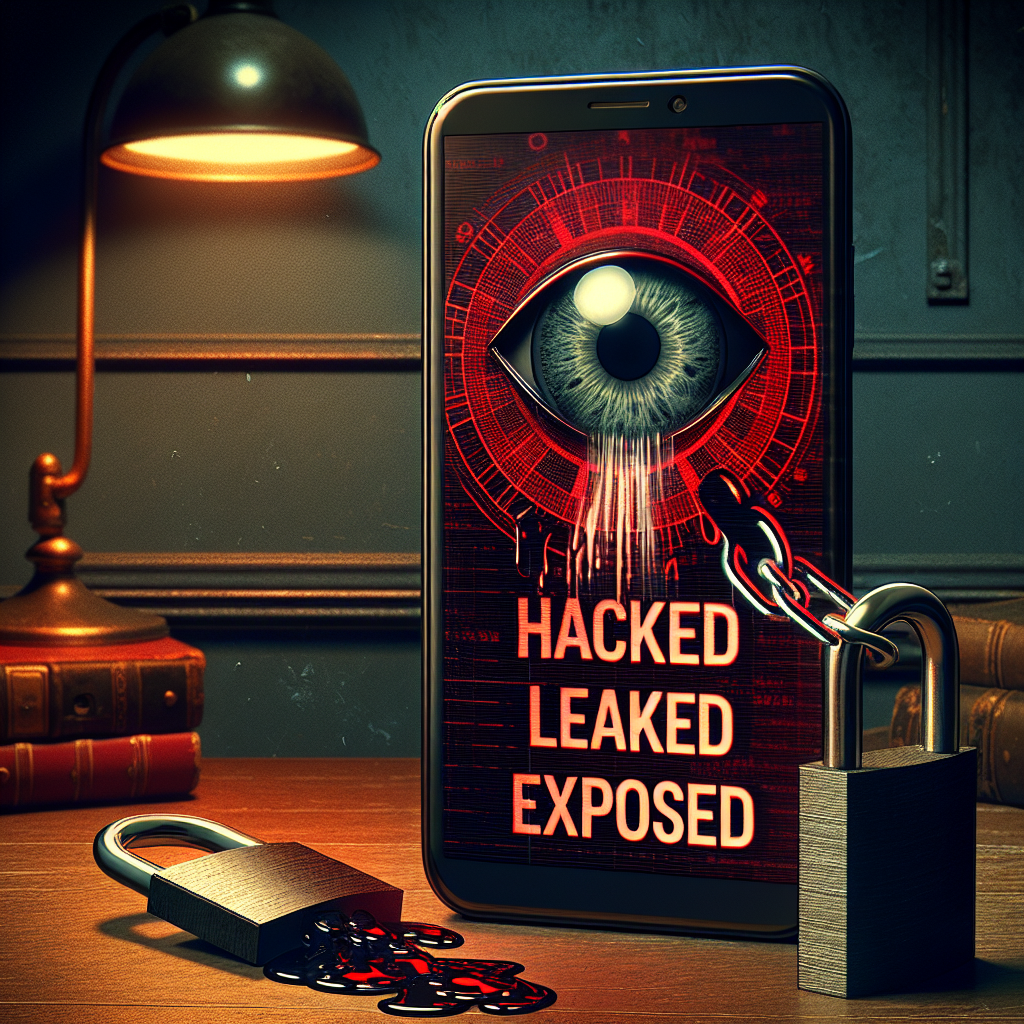
Hacked, Leaked, Exposed: Why You Should Never Use Stalkerware Apps
Are you tempted by the allure of stalkerware apps? Maybe you want to keep tabs on a loved one or protect them from harm? Before you consider taking this route, let us dive into a critical discussion about why these apps can cause more harm than good. Hacked, leaked, exposed—these are words you never want to associate with your private information. Yet, these are precisely the risks when you engage with stalkerware applications.
In this piece, we’ll explore what stalkerware is, why people use it, and most importantly, why it should be avoided at all costs. From risks of privacy breaches to ethical concerns, this article will cover the manifold reasons for saying no to stalkerware.
What is Stalkerware?
Defining Stalkerware
Stalkerware refers to software applications designed to secretly monitor someone’s activity on a device. These intrusive apps can track GPS locations, read text messages, and even listen to phone calls without the target’s knowledge.
Features of Stalkerware
- GPS Tracking: Allows for real-time location data.
- Call Monitoring: Records incoming and outgoing calls.
- Text Message Spying: Gives access to SMS and instant messaging apps.
- Keylogging: Records keystrokes, potentially capturing passwords and other sensitive information.
- Camera Activation: Turns on a device’s camera without consent.
The Temptation: Why People Use Stalkerware
While the motivations can be diverse, they usually boil down to a few common themes:
- Parental Control: Parents use it to monitor their children’s online activities.
- Relationship Suspicion: Some partners use it to verify suspicions about infidelity.
- Employee Monitoring: Employers install it on company devices to ensure workplace productivity.
The Dangers: Why You Should Avoid Stalkerware
Privacy Invasion: The Most Immediate Concern
The very essence of stalkerware is invasive. It turns your device into a spy, violating your most basic right to privacy.
- Unauthorized Access: Unapproved monitoring creates an environment where your every move is scrutinized.
- Loss of Control: You’re no longer the sole owner of the data your device transmits.
Think about it: Would you voluntarily hand your diary, calendar, and personal conversations to someone without any justification? That’s what unknowingly happens when someone infiltrates your device with stalkerware.
Security Vulnerabilities: A Breeding Ground for Cyber Threats
Adding stalkerware to a device invites a plethora of security risks:
- Data Breaches: Hackers could easily exploit these apps to access large amounts of personal data.
- Phishing Scams: With access to intimate details of your life, attackers can tailor phishing attacks that are hard to recognize.
- Identity Theft: The information gathered can be used for identity theft and financial fraud.
Legal Ramifications: Breaking the Law
Depending on jurisdiction, installing stalkerware can be illegal.
- Laws and Regulations: Legal systems around the world are increasingly recognizing the dangers of stalkerware and are implementing laws against its use.
- Penalties: Legal consequences range from fines to jail time.
Ethical Concerns: Morality at Stake
The ethical dimensions of using stalkerware are disconcerting.
- Violation of Trust: Using such technology to monitor loved ones crosses ethical boundaries and jeopardizes trust irreparably.
- Emotional Abuse: In relationships, using stalkerware could perpetuate a cycle of emotional or psychological abuse.
How to Protect Yourself and Your Loved Ones
Understanding the risks is only the first step; knowing how to protect yourself is equally important.
Signs of Stalkerware on Your Device
- Increased Data Usage: Abnormal data consumption may indicate an app running in the background.
- Battery Drain: Battery life depleting faster than usual can be a red flag.
- Slow Performance: Unexplained sluggishness or crashes.
- Unexpected Reboots: Devices restarting without user input.
Protective Measures
- Regular Software Updates: Keep your device’s OS and apps updated to prevent vulnerabilities.
- Security Software: Use reputable antivirus and anti-malware scanners.
- Be Aware: Stay informed about emerging security threats.
- Seek Legal Counsel: If you suspect you’re being spied upon, consult with a legal expert to explore your options.
Conclusion: A Resounding ‘No’ to Stalkerware
The dark world of stalkerware is riddled with ethical quandaries, legal issues, and substantial risks to personal security. Despite what proponents may argue about its utility for monitoring loved ones, the potential dangers far outweigh the benefits.
In summary: Nobody likes being hacked, leaked, or exposed. These apps break trust, damage relationships, and compromise well-being. Make a principled choice by avoiding stalkerware and champion the causes of privacy and mutual respect.
Steer clear of the shadows and be an advocate for cyber safety. Your private life should remain just that—private.