
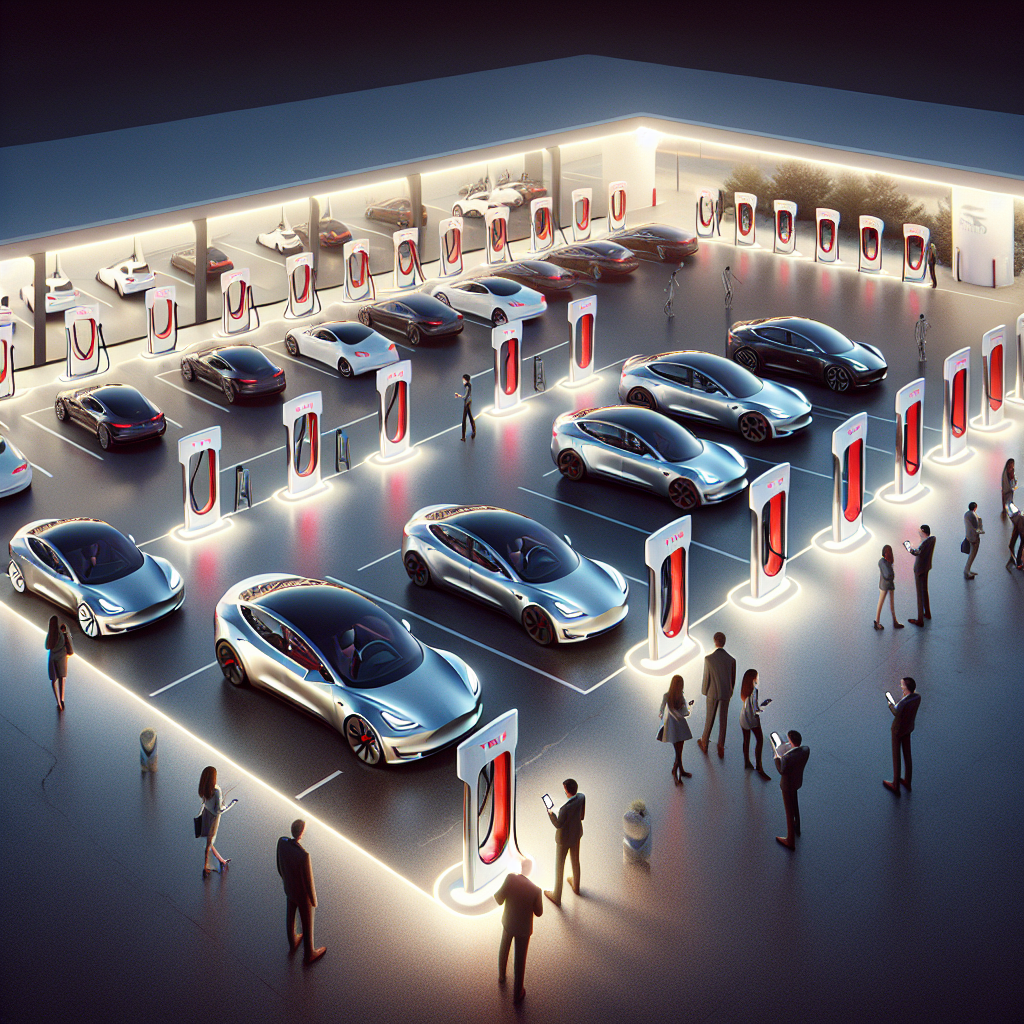
Revolutionizing Charging: Tesla to Test Virtual Queues at Supercharging Locations
In a groundbreaking move aimed at enhancing the charging experience for electric vehicle owners, Tesla is set to test virtual queues at its Supercharging locations. This innovative approach promises to optimize the charging process, reduce wait times, and significantly improve customer satisfaction. As the electric vehicle market continues to expand, Tesla’s initiative could set a new standard for EV charging infrastructure worldwide.
Understanding Virtual Queues and Their Benefits
What Are Virtual Queues?
Virtual queues represent a digital solution to manage waiting times by allowing users to "line up" electronically instead of physically standing in line. This system is designed to efficiently allocate resources and provide real-time updates to users about their position in the queue, estimated wait times, and availability of services.
Key Benefits of Virtual Queues
Enhanced User Experience
- Convenience: Users can join the queue remotely from their mobile devices, allowing them the freedom to engage in other activities while waiting.
- Reduced Stress: Real-time updates eliminate uncertainty, offering a more relaxed waiting experience.
Improved Operational Efficiency
- Better Resource Allocation: Virtual queues allow for better management of available charging stations by predicting demand patterns.
- Data Collection: These systems provide valuable data analytics, helping Tesla optimize station operations and forecast future needs.
Why Tesla’s Virtual Queues Are a Game-Changer
Addressing Common Supercharging Challenges
Tesla’s decision to implement virtual queues addresses several challenges associated with traditional charging methods, such as:
- Long Wait Times: Popular charging stations often witness long queues, especially during peak times.
- Inefficient Resource Use: Physical queues can lead to underutilization or overcrowding of charging stalls.
- Customer Dissatisfaction: Long waiting periods frequently result in dissatisfaction among EV owners, which Tesla aims to mitigate through this initiative.
Pioneering a Change in EV Infrastructure
Tesla’s virtual queuing system could revolutionize not just how Tesla operates but the entire EV charging ecosystem. By integrating cutting-edge technology with customer-centric solutions, Tesla demonstrates a forward-thinking approach that could influence other automakers and charging networks to adopt similar systems.
How Tesla’s Virtual Queues Work
Step-by-Step Guide to Using Tesla’s Virtual Queues
-
Registration and Log In
- Tesla owners will initially register for the virtual queuing system via the Tesla App or website.
- Logging in with their Tesla account credentials will give them access to various features of the queue.
-
Queue Reservation
- Users select a preferred Supercharging location and enter the queue by specifying their estimated arrival time.
- The system will allocate a slot and provide an estimated wait time based on current demand.
-
Real-Time Updates
- Tesla’s virtual queue system delivers real-time updates, allowing users to check their queue status and any changes in estimated wait times.
- Notification of Readiness
- Once a charging spot becomes available, users will receive a prompt, urging them to proceed to the designated Supercharger.
- Failure to arrive within the allocated time may result in being placed back in the queue.
Ensuring Seamless Integration with Existing Systems
Tesla’s virtual queues are integrated with its existing Supercharger network, ensuring smooth and uninterrupted service for users. The robust back-end infrastructure supports a seamless user experience while handling thousands of data inputs and outputs.
The Future of EV Charging: Tesla’s Long-Term Vision
A Step Towards Full Automation
Tesla envisions a future where charging is completely automated, a vision that aligns with its broader goal of autonomous driving. Virtual queues bring the company closer to this vision by reducing human intervention and making the charging process as seamless as possible.
Expanding the Network
Global Rollout: Successful implementation in pilot locations could pave the way for a broader rollout across Tesla’s global network.
Collaboration with Other Companies: Tesla’s advancements in virtual queues could encourage partnerships with different charging network providers to enhance overall EV infrastructure.
Challenges and Considerations
Despite the promising prospects, there are a few potential challenges Tesla might face with the implementation of virtual queues:
- Technological Challenges: Ensuring system reliability and dealing with unforeseen technical glitches is crucial for the success of virtual queues.
- User Adaptation: Some users might be resistant or slow to adapt to new technology, necessitating effective communication and education.
Conclusion: A Revolutionary Shift in the EV Landscape
Tesla’s move to test virtual queues at its Supercharging locations marks a pivotal turning point in the EV industry, poised to redefine how electric vehicles are charged. As the car manufacturer continues to innovate, it’s setting a benchmark for the seamless integration of technology and sustainability in everyday life. Electric vehicle owners and enthusiasts eagerly anticipate the results of this pilot program and the positive impact it could have on their charging experiences around the globe. Stay tuned as Tesla drives the future of electric vehicle charging with ingenuity and forward-thinking solutions.