
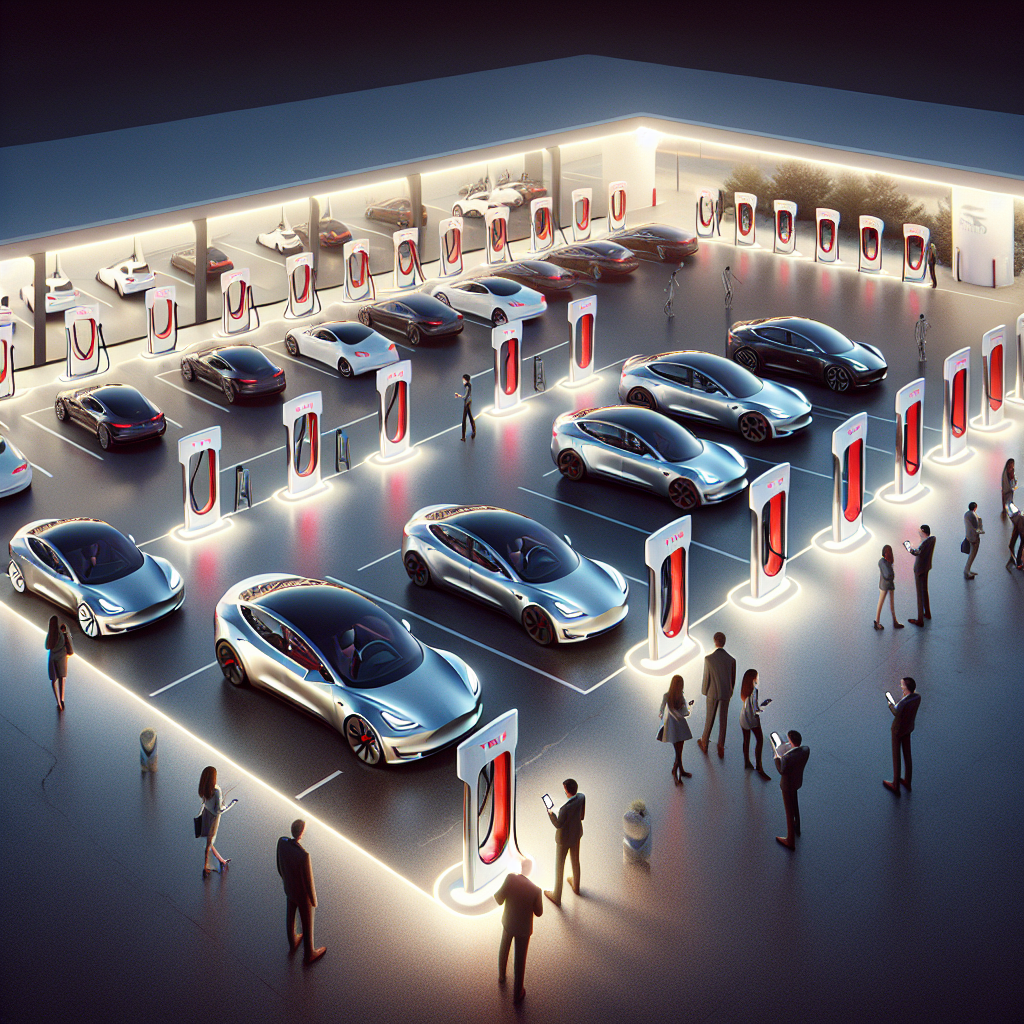
Revolutionizing EV Charging: Tesla to Test Virtual Queues at Supercharger Locations
The electric vehicle (EV) industry has been revolutionized by companies like Tesla, which continue to innovate and push boundaries. Tesla, known for its impressive range of EVs and cutting-edge technology, is now set to redefine the charging experience with the introduction of virtual queues at Supercharger locations. As EV adoption continues to rise globally, Tesla’s initiative represents a significant stride towards enhancing user convenience and optimizing infrastructure utilization.
The Growing Demand for Superchargers
Understanding the Importance of Superchargers
The Supercharger network is an integral component of Tesla’s ecosystem, offering a fast and reliable solution for charging EVs. These stations enable Tesla drivers to recharge their vehicles quickly while on the go, which is crucial for long-distance travel.
- Fast Charging: Superchargers can provide up to 200 miles of range in just 15 minutes.
- Convenience: Stations are strategically located along major transportation routes.
- Continuous Expansion: Tesla continuously invests in expanding its Supercharger network.
With the increasing number of Tesla vehicles on the road, the pressure on Supercharger stations has escalated, leading to potential wait times during peak hours.
The Need for Innovation in EV Charging
As electric vehicle ownership expands, efficient management of charging infrastructure becomes critical. Two primary challenges stand out:
- Overcrowding and Wait Times: High traffic at Supercharger locations can lead to long wait times, frustrating users and reducing the appeal of EVs for potential buyers.
- Ineffective Resource Utilization: Without a system to manage demand, some stations might remain underutilized while others face excessive demand.
In response to these challenges, Tesla is exploring innovative solutions such as virtual queuing to optimize user experience and station efficiency.
Virtual Queues: A Game-Changer in Supercharging
What are Virtual Queues?
Virtual queues allow users to queue digitally rather than physically waiting in line. This technology reduces the need to be present at the location, enhancing comfort and efficiency for users.
- Digital Check-In: Drivers can enter a virtual queue using an app or website.
- Real-Time Updates: Receive notifications on estimated waiting times and charging availability.
- Flexibility: Users have the freedom to engage in other activities while they wait.
Benefits of Implementing Virtual Queues at Superchargers
The decision to test virtual queues at Supercharger locations is likely driven by multiple benefits:
- Reduced Congestion: By managing demand digitally, Tesla can alleviate physical crowding at busy stations.
- Enhanced User Experience: Drivers can enjoy a more comfortable and convenient experience, knowing precisely when their turn will arrive.
- Optimized Asset Utilization: More efficient management of charging slots ensures all available resources are effectively used.
Challenges and Considerations
Implementing a virtual queue system raises certain challenges and requires careful planning:
- Technological Requirements: Development of an intuitive app or platform for seamless user interaction.
- User Adoption: Encouraging users to adapt to this new model instead of the traditional queuing system.
- System Reliability: Ensuring the system is robust, with minimal downtime and high accuracy in wait-time predictions.
How Tesla is Testing Virtual Queues
Pilot Programs and Initial Rollouts
Tesla is likely to begin with pilot programs at selected high-traffic Supercharger locations. This phased approach will allow for assessment and refinement before wider implementation.
Key Aspects of the Pilot Program:
- Location Selection: High-demand areas in metropolitan hubs where wait times tend to be the longest.
- Feedback and Analysis: Collecting user feedback to gauge satisfaction and identify areas for improvement.
- Performance Metrics: Monitoring key metrics such as wait time reduction, user engagement, and system reliability.
Future of Virtual Queues in Tesla’s Ecosystem
While the initial rollout may focus exclusively on Supercharger stations, the potential of virtual queues extends beyond:
- Broad Application: Possibility of extending virtual queues to other Tesla services, like service centers and showrooms.
- Integration with Tesla App: Enhanced user interface allowing seamless access to various Tesla services.
- Global Expansion: Once proven successful, the system could be deployed globally, improving the Supercharging experience for all Tesla owners.
Analyzing the Impact on the EV Charging Landscape
Industry-Wide Implications
Tesla’s trial of virtual queues is likely to influence broader trends in the EV sector:
- Setting New Standards: If successful, other automobile manufacturers and charging network operators might adopt similar systems.
- Greater Acceptance of EVs: Improved convenience in charging could alleviate some barriers to EV adoption.
- Increased Investment: Other companies may see enhanced charging solutions as a profitable investment area.
Sustainability and Environmental Impact
Optimized management of the charging network can reduce unnecessary travel and energy consumption:
- Reduced Carbon Footprint: Efficient queue management leads to more cars being charged using renewable energy resources.
Conclusion: A Bright Future for Tesla’s Charging Innovations
The introduction of virtual queues at Tesla Supercharger locations represents a significant forward step in enhancing the electric vehicle charging experience. This innovative approach stands to benefit both Tesla owners and the broader EV community by reducing congestion, optimizing resource utilization, and improving user convenience. As the initiative gains traction, Tesla’s leadership in the EV market seems poised to strengthen, further accelerating the global transition to sustainable transportation. With continued advancements, Tesla continues to set the pace for innovation within the electric vehicle industry, paving the way for a more connected and sustainable future.