
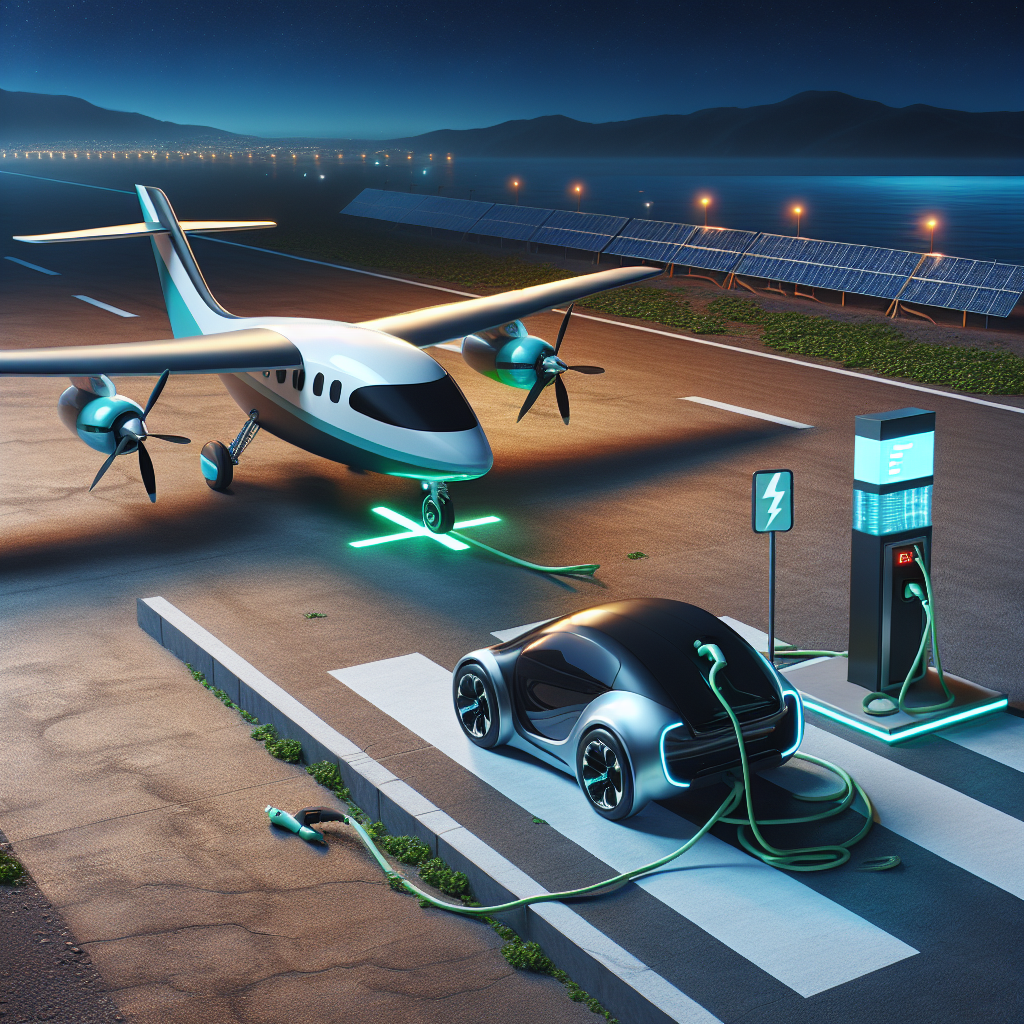
Pioneers of the Skies: Beta Technologies’ Bold Step into Electric Flight and Hyundai’s Charging Challenge
In the ever-evolving world of modern transportation, the race toward sustainable and efficient solutions is intensifying. Beta Technologies and Hyundai have emerged as key players, driving innovation in electric mobility. Beta Technologies is setting its sights high with ambitious plans for electric flight, while Hyundai makes significant advances in electric vehicle (EV) infrastructure. This article explores Beta Technologies’ groundbreaking efforts in electric aviation and delves into the challenges Hyundai faces with its Tesla charging port integration.
The Visionaries: Beta Technologies’ Electric Flight Ambitions
At the forefront of the electric flight revolution is Beta Technologies, an innovative company committed to transforming air travel. Their vision is to create environmentally friendly and cost-effective solutions for both local and regional transportation.
The Promise of Electric Aviation
Electric aviation offers numerous advantages over conventional flight:
- Reduced carbon emissions: Electric aircraft produce significantly less pollution compared to fuel-powered planes.
- Lower operational costs: With fewer moving parts, electric planes require less maintenance and have lower fuel costs.
- Noise reduction: Electric motors provide quieter operation, reducing noise pollution for communities near airports.
Beta Technologies’ Groundbreaking E-Aircraft
Beta Technologies is pioneering the development of all-electric aircraft, designed to revolutionize various sectors, including cargo and passenger transport. Their flagship aircraft, the ALIA-250, embodies their dedication to efficiency and sustainability.
Key Features of ALIA-250:
- Vertical Takeoff and Landing (VTOL) capability: Ideal for busy urban environments with limited runway space.
- Cargo capacity: Capable of carrying up to 1,400 pounds of cargo.
- Range: Designed to travel distances up to 250 miles on a single charge.
These advancements position Beta Technologies as a leader in electric aviation solutions, setting new standards for what is possible in the air travel industry.
Hyundai’s Endeavor: EV Infrastructure and the Tesla Charging Port Dilemma
As electric vehicle adoption grows, infrastructure development becomes crucial. Hyundai is working diligently to enhance its EV offerings, including integrating Tesla’s proprietary charging ports. However, this venture presents its own set of challenges.
The Importance of a Robust Charging Network
To support widespread EV adoption, an efficient and accessible charging infrastructure is essential. This includes:
- High-speed charging stations: Reducing charging times to encourage greater use among time-sensitive users.
- Interoperability: Ensuring compatibility across different EV brands for user convenience.
Challenges with Tesla’s Charging Port
Tesla’s charging port standard, known for its unique design, poses integration challenges for non-Tesla vehicles, like those made by Hyundai.
Challenges Highlighted:
- Compatibility issues: Aligning different technical standards across manufacturing brands.
- Adapting charging technology: Modifying existing Hyundai EVs and chargers to accommodate Tesla ports.
- User experience: Ensuring a seamless and straightforward experience for drivers using mixed infrastructure.
Hyundai’s Strategic Approach
In addressing these challenges, Hyundai has adopted the following strategic initiatives:
- Collaboration with industry leaders: Hyundai is working with companies like ChargePoint and EVgo to build extensive charging networks.
- Innovation in charging tech: Investing in research to develop adaptable, easy-to-use charging solutions.
- Consumer-focused design: Prioritizing user-friendly technology to enhance the EV ownership experience.
The Road Ahead: Challenges and Opportunities
The journey to revolutionize transportation with sustainable electric solutions presents both challenges and opportunities for companies like Beta Technologies and Hyundai.
Overcoming Barriers
Some of the primary hurdles include:
- Technology integration and advancement: Continuous innovation to improve performance and efficiency.
- Regulatory compliance: Meeting stringent international aviation and automotive safety standards.
- Market acceptance: Building consumer trust in new technologies and motivating adoption.
Opportunities in Innovation
Despite the challenges, the potential for growth is immense. Opportunities include:
- Expanding the market for electric air travel: Opening new avenues for passenger and cargo transportation.
- Creating synergies with energy sectors: Collaborating with renewable energy providers to further reduce carbon footprints.
- Shaping the future of smart transportation: Leading the charge in the integration of smart, connected transportation systems.
Conclusion: The Leap Toward a More Sustainable Future
As pioneers in their respective fields, Beta Technologies and Hyundai are paving the way for a more sustainable future. Through their combined efforts in electric flight and innovative EV strategies, they are not only addressing current environmental challenges but also setting the stage for the transportation models of tomorrow. By overcoming obstacles and leveraging opportunities, the shift toward sustainable and efficient transportation is becoming a transformative reality.
In embracing these innovations, both consumers and industries alike stand to benefit from a cleaner, quieter, and more efficient world. Whether through the skies with electric planes or on the road with seamless charging solutions, the possibilities for a greener planet are limitless.