
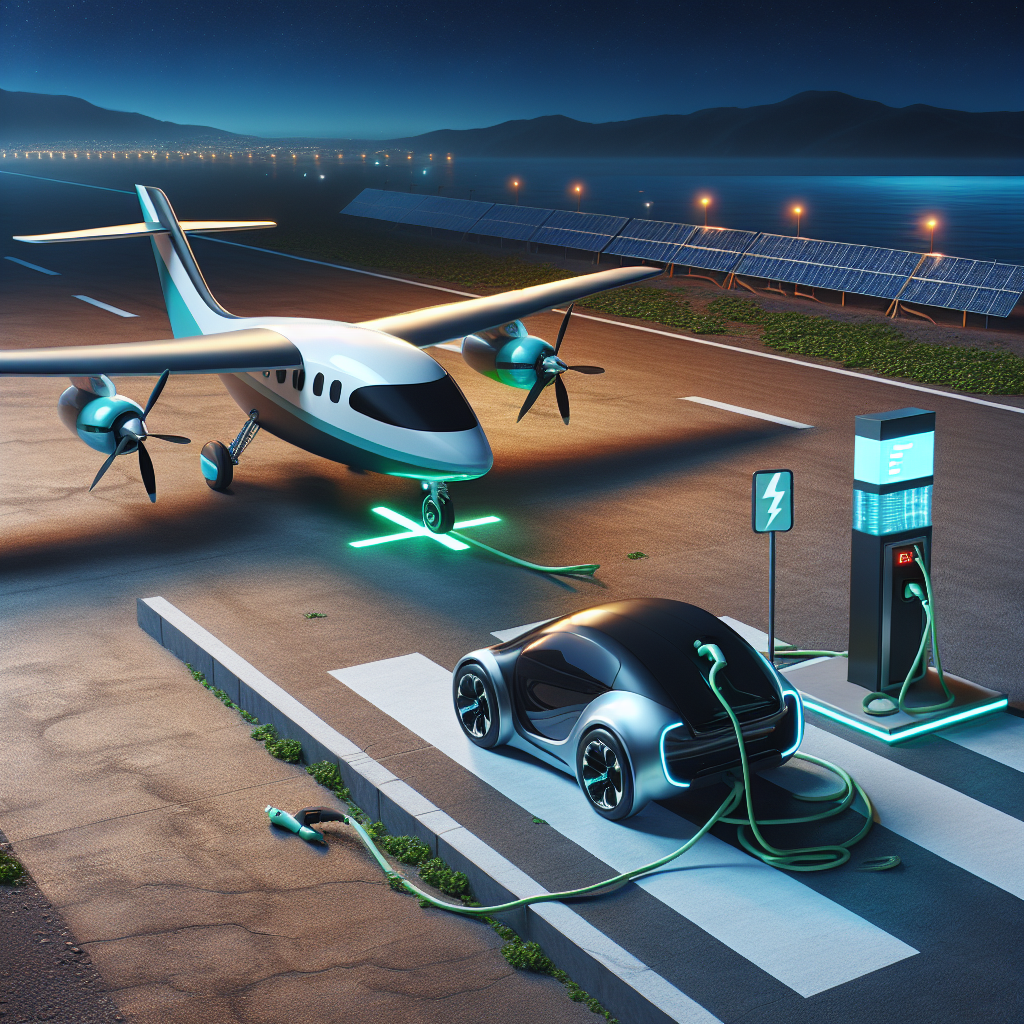
The Future of Electric Flight and Automotive Charging: How Beta Technologies and Hyundai Are Shaping the Landscape
As the world rapidly shifts towards sustainable transportation solutions, electric flight and advanced charging infrastructures emerge as pivotal elements in the conversation. Two significant players, Beta Technologies and Hyundai, stand at the forefront of these innovations. While Beta Technologies embarks on the ambitious journey of electric flight, Hyundai’s foray into developing a new charging port standards for electric vehicles (EVs) is met with challenges when compared to the reigning champion – Tesla. Could these advancements pave the way for a new era in sustainable transport, or will the bumps along the journey slow them down?
The Promise of Electric Flight
Beta Technologies: Leading the Charge in Electric Flight
Beta Technologies is not just another startup experimenting with electric flight; they are a leader with a clear mission: to reshape the aviation industry. Their development of electric aircraft promises not only environmental benefits but also potential cost-saving advantages for airlines and passengers alike.
-
Visionary Goals:
- Introduction of all-electric aircraft designed for both cargo and passenger transport.
- A commitment to reducing carbon emissions associated with traditional air travel.
-
Key Features of Beta’s Aircraft:
- Advanced vertical takeoff and landing (VTOL) capabilities.
- Equipped with state-of-the-art battery technologies that promise longer flight durations and improved safety.
- Market Implications:
- Beta Technologies’ aircraft could significantly reduce operational costs due to lower fuel requirements and reduced maintenance needs.
- Potential to democratize regional air travel by providing cheaper and more accessible flight options.
Challenges Facing Electric Flight
Despite these promising benefits, several challenges loom:
- Regulatory Hurdles: Aviation authorities need to develop new certifications for electric aircraft, which may delay broad adoption.
- Battery Limitations: Current battery technology may impede the range and payload capacity necessary for widespread commercial use.
- Infrastructure Requirements: Building the necessary charging infrastructure at airports and other locations remains a significant logistical challenge.
Hyundai’s Innovation with Charging Standards
Hyundai’s Take on EV Charging Ports
While Beta Technologies is revolutionizing the skies, Hyundai is tackling the ground realm with their developments in EV charging ports. However, their approach faces stiff competition from Tesla, which currently leads the pack.
- New Charging Ports by Hyundai:
- Designed to be compatible with a wider range of electric vehicles.
- Seeks to offer faster charging times and superior integration with smart technology.
Challenges and Shortcomings
Despite Hyundai’s ambitious goals, several barriers emerged:
-
Compatibility Issues:
- Many existing EVs, particularly those built on Tesla’s proprietary network, struggle with compatibility, limiting Hyundai’s reach.
-
Technological Shortcomings:
- Hyundai’s new ports initially fail to deliver the speed and efficiency promised when compared to Tesla’s established Supercharger network.
- Market Perception:
- Consumers and businesses alike might be hesitant to invest heavily in Hyundai’s infrastructure until it proves reliable and superior.
The Role of Collaboration
To overcome these challenges, collaboration may be key:
- Industry Standards: Joint ventures and partnerships could foster unified charging standards that benefit the entire EV market.
- R&D Investment: Increased investment could facilitate technological advancements, bridging the gap between Hyundai and its competitors.
The Intersect of Aviation and Automotive
Learning from One Another
As Beta Technologies and Hyundai continue to refine their approaches, the intersection between aviation and automotive industries presents learning opportunities:
-
Shared Battery Technologies:
- Advances in battery life, charging speed, and safety could mutually benefit both industries.
- Hybrid Applications:
- Innovations in VTOL technology might inspire new designs in automotive transport, especially in congested urban environments.
Building the Infrastructure for Future Mobility
Both Beta and Hyundai need to focus on building robust infrastructures to support their innovations:
- Building a Network:
- For Beta, this means creating airports and vertiports equipped with efficient charging points.
- Hyundai’s challenge revolves around streamlining EV charging steps to align closer with consumer expectations.
Conclusion: Navigating the Path Ahead
There’s no doubt that electric flight and advanced EV charging solutions represent the future of transport. Companies like Beta Technologies and Hyundai are pioneering this field, yet they must navigate a complex landscape filled with both potential and obstacles. Partnerships, ongoing research and development, and a keen focus on environmental and consumer needs could ultimately drive these industries towards a sustainable, electrified future.
Stay updated with the latest in sustainable transport technologies, as both Beta and Hyundai are committed to leading their respective fields with innovative solutions that promise to change the way we travel. As this journey unfolds, the possibility of a cleaner, more connected world becomes ever more tangible.