
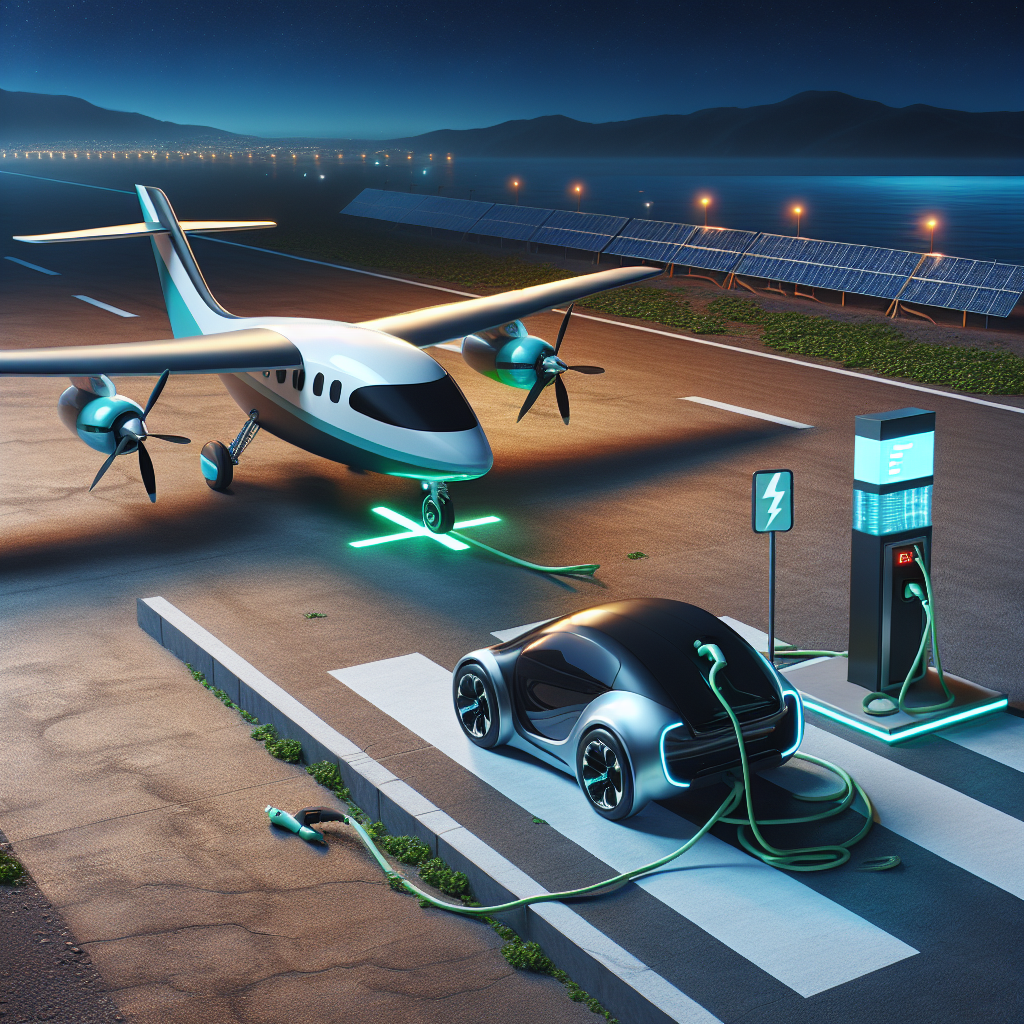
Soaring Into the Future: Beta Technologies and Hyundai’s Electrification Gambles
Electric aviation, once the stuff of science fiction, is rapidly becoming a reality as cutting-edge companies like Beta Technologies push the envelope of what’s possible in the skies. Alongside this aerial innovation, land-bound giants like Hyundai are also taking bold strides in the electrification arena, though not without facing their own set of challenges. In this comprehensive article, we explore the intersection of electric flight and Hyundai’s forays into EV charging infrastructure, dissecting where these two major players stand in the larger narrative of sustainable transportation.
Electromobility: The Sky’s the Limit
As the world marches toward a greener future, there is a balance between ecological sustainability and technological innovation, and nowhere is this more evident than in the realm of electric aviation. Beta Technologies, a Vermont-based startup, is at the forefront of this exciting industry with their electric vertical takeoff and landing (eVTOL) aircraft.
Beta Technologies and the eVTOL Revolution
Founded in 2017, Beta Technologies aims to transform how people and goods move. Their flagship aircraft, the ALIA-250, is designed with efficiency and sustainability at its core.
Key Features of ALIA-250:
- Vertical Takeoff and Landing: Inspired by the Arctic tern, ALIA-250’s unique design enables it to take off and land in tight spaces.
- Long-Range Capability: With a range of up to 250 nautical miles, it’s ideal for cargo, medical transport, and even passenger services.
- Zero Emissions: Powered entirely by electricity, it leaves no carbon footprint in the skies.
Aviation Data Analysis: Beta’s biggest bet is on data-driven insights—leveraging cutting-edge technology to refine flight dynamics and improve energy efficiency.
The Roadmap Ahead
With the Federal Aviation Administration (FAA) closely evaluating eVTOL technologies, Beta Technologies is fast-tracking prototypes to meet regulatory standards. The journey is complex, requiring not only technological prowess but also collaboration with government bodies, businesses, and local communities.
- Pilot Training Programs: Beta is partnering with aviation schools to develop curricula for eVTOL piloting.
- Infrastructure Development: Plans for a network of charging stations akin to terrestrial EV stations.
Hyundai’s Charge: Entering the EV Charging Race
While the skies are buzzing with innovation, the roads are witnessing their own electrification revolution. Hyundai, a global leader in automotive manufacturing, has made significant investments in electric vehicles (EVs). Their journey is part of a broader shift toward sustainable transportation.
Hyundai’s Charging Conundrum
Hyundai recently unveiled their answer to Tesla’s nationwide charging network. However, it has encountered some teething problems.
- Compatibility Issues: Hyundai’s new charging ports have faced compatibility challenges with existing EV infrastructure.
- Infrastructure Gaps: An initial rollout revealed insufficient station density in key markets.
Tackling the Challenges:
- **Retrofitting Approach: Hyundai is investing in technologies to make their charging ports compatible with multiple vehicle models.
- Collaborative Efforts: Collaborations with established charging networks to expand reach and reliability.
- Renewable Energy Integration: Incorporating solar and wind energy solutions to power EV charging stations.
Despite these setbacks, Hyundai’s commitment to building a sustainable future remains unwavering.
The Technological and Economic Implications
The electrification initiatives of both Beta Technologies and Hyundai underscore a broader transformation, impacting economic models and technological paradigms in transportation.
Environmental Impact
- Reduced Carbon Footprint: Both air and ground electric transportation solutions promise significant reductions in carbon emissions.
- Innovation in Energy Storage: Progress in battery technologies is making longer flights and rides possible, with less frequent charging intervals.
Economic Opportunities
- Job Creation: New roles in technology, engineering, and manufacturing are emerging, alongside increased demand for skilled pilots and EV technicians.
- Market Growth: With Alpha gatherings predicted to surpass traditional EV growth rates, the potential economic dividends are substantial.
Looking Forward: Seamless Electrification
The journey toward a fully-electric future in aviation and automobile industries is filled with potential and promise. Beta Technologies and Hyundai are both investing heavily in this transition, each forging their path through unique challenges and opportunities.
- Cross-Industry Innovations: Solutions in battery technology and charging infrastructure are shared across the board, allowing for synergistic advancements.
- Consumer Adoption: As infrastructure improves, both eVTOLs and EVs become more attractive to consumers, catalyzing widespread acceptance.
In conclusion, the race towards electrification is not merely about product proliferation; it’s about reshaping transportation ecosystems to be more sustainable, efficient, and accessible. As Beta Technologies continues to soar to new heights and Hyundai navigates its charging challenges, they remind us that the future of transportation might well be electric—a future that’s already beginning to take flight.