
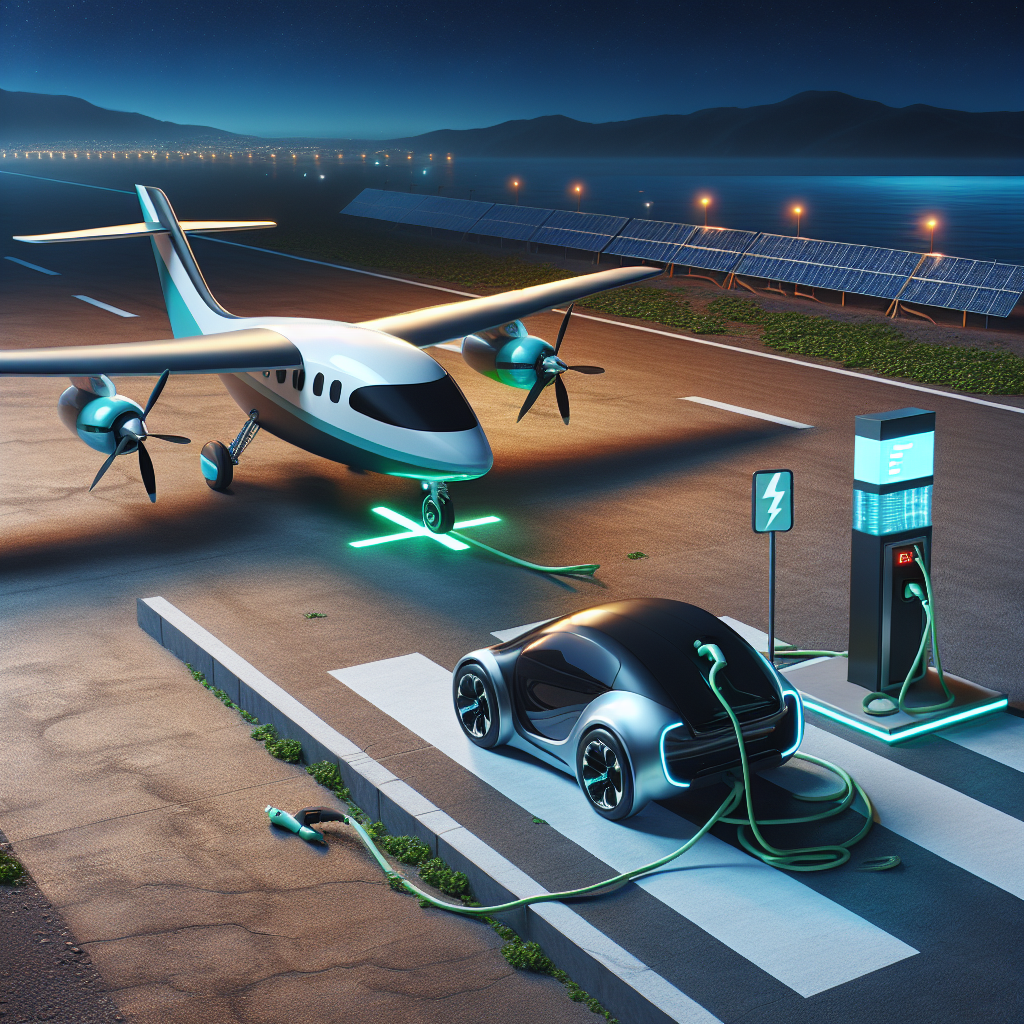
Soaring into the Future: Beta Technologies and Hyundai’s Charging Dilemma
In a world rapidly advancing towards sustainable energy and zero-emission solutions, two notable players—Beta Technologies and Hyundai—are making waves in their respective fields. While Beta Technologies is setting a new benchmark in aviation with its exciting ventures in electric flight, Hyundai is attempting to carve out its niche by adapting to electric vehicle trends. Each is trailblazing in its domain, but as always with innovation, there are challenges and mishaps. How does Beta Technologies plan to reshape air travel, and why is Hyundai’s new Tesla charging port falling short? Let’s explore.
The Rise of Beta Technologies: Leading the Electric Flight Revolution
A Vision for Electric Skyways
Founded on the principles of sustainability and cutting-edge innovation, Beta Technologies is an enterprise aiming to revolutionize short-range aviation. Their groundbreaking developments in electric vertical takeoff and landing (eVTOL) aircraft are not only setting the stage for environmentally friendly commuting but also presenting viable alternatives to conventional aircraft.
- Eco-Friendly Designs: Beta’s aircraft are engineered to be entirely electric, thus reducing the carbon emissions that contribute significantly to global warming.
- Cost-Effective Travel: By eliminating the need for jet fuel and reducing maintenance costs associated with traditional flight, electric aircraft make for an economically sustainable future of travel.
Key Features of Beta’s eVTOL Aircraft
- VTOL Capability: Their aircraft can take off and land vertically, making them ideal for urban environments with limited space.
- Advanced Battery Technology: Equipped with high-density lithium-ion battery packs for longer flight durations and reduced recharging times.
- Zero Emissions: Completely eliminating the release of harmful gases into the atmosphere.
Transforming Urban Mobility
Beta Technologies is reshaping how people think about urban mobility. Its partnership with key stakeholders like UPS and logistics firms signifies its entry into mainstream markets, focusing on aspects such as:
- Cargo Delivery: Efficient transport of goods with minimal delay and decreased urban congestion.
- Passenger Transportation: Visionary projects like urban air taxis could become reality, providing a personalized commute like never before.
Hyundai’s Challenge: The Tesla Connector Conundrum
Hyundai’s Bold Move towards Electric Integration
To keep pace with the rapidly evolving automotive space, Hyundai has been integrating Teslas’ North American Charging Standard (NACS) into its vehicles. This decision is part of a broader strategy to align with the most accessible and comprehensive charging infrastructure available today.
The Appeal of the Tesla Connector
- Widespread Usage: Tesla’s charging network is one of the most extensive across North America, making it attractive for EV manufacturers.
- Fast Charging Speed: Tesla’s Superchargers offer some of the fastest charging speeds currently available.
- Simplified Logistics: Standardizing the connector type across various brands promises to ease logistical challenges for manufacturers and consumers alike.
The Unforeseen Challenges
Despite the initial allure, Hyundai’s implementation of the Tesla charging port has revealed notable challenges.
- Compatibility Issues: Existing Hyundai EVs may face integration issues without proper adapter solutions, leading to user dissatisfaction.
- Infrastructure Compatibility: The switch to a single charging protocol means reliance on Tesla’s network, which may not cater to non-Tesla vehicles.
- Consumer Backlash: Current users have expressed concerns over adapting to a new system, creating a potential roadblock in consumer acceptance.
Possible Solutions and the Road Ahead
Hyundai is committed to addressing these hurdles to ensure seamless charging experiences for its customers. Some possible mitigations include:
- Adapters and Conversion Kits: Providing consumers with easy-to-use adapters for current models to ensure compatibility across various charging stations.
- Enhanced Partnerships: Collaborating with more charging network providers to enhance accessibility and coverage.
- User Education Programs: Informative sessions and resources to guide users through the transition.
A Look at the Broader Picture
Competing Visions, Common Goals
While ventures like Beta Technologies aim high—literally—by seeking to revolutionize the way we fly, automotive giants like Hyundai are tackling the challenges of sustainable ground transport. Regardless of the industry, both players are driven by a unified vision: decarbonizing transport for the benefit of our planet.
Collaborative Innovation and Future Prospects
- Synergistic Developments: Cross-industry collaborations between automotive and aviation sectors could amplify the adoption of electric transport solutions.
- Regulatory Support: Government initiatives and policies can bolster the efforts of companies like Beta and Hyundai by providing subsidies and incentives.
- Investments in R&D: Continued investment in research and development ensures breakthroughs in battery technology, infrastructure, and vehicular designs.
Conclusion
Beta Technologies and Hyundai are both paving the way towards a cleaner and smarter future. Beta, with its innovative electric aircraft, is challenging preconceptions of what aviation should be, while Hyundai is navigating the complexities of charging infrastructure for its electric vehicles. Though hurdles remain, the dedication to overcoming them underscores a relentless pursuit of progress in the transport sector. As these industries evolve, the prospects for a more sustainable world grow brighter than ever.
Embracing these developments could lead to monumental shifts in how we perceive and interact with the world—on land or in the sky. For enthusiasts, investors, and consumers alike, the journey of Beta Technologies and Hyundai is a narrative worth following closely.