
The Sky’s the Limit: How Beta Technologies and Hyundai Are Revolutionizing Electric and Autonomous Transportation
In an era marked by sustainability and technological advancements, the transportation industry is undergoing a seismic shift. The sector’s future points decidedly towards electrification and autonomy. Beta Technologies and Hyundai are two trailblazing companies making headlines for their pioneering roles in these transformative tussles. Beta Technologies is taking to the skies, while Hyundai is focusing on terrestrial solutions, both striving for a greener and more efficient future. Let’s dive into their fascinating world and see how their distinct approaches promise to change transportation as we know it.
Beta Technologies: Soaring to New Heights with Electric Flight
As sustainability becomes a pressing global issue, the aviation industry, notorious for its carbon footprint, couldn’t stay uninformed about the shift to greener methods of transport. Enter Beta Technologies, a company at the forefront of electric aviation, determined to revolutionize air travel.
The Vision Behind Beta Technologies
Founded with the vision of creating electric aircraft that could transform logistics, Beta Technologies aims to reduce emissions while enhancing efficiency. Their dream? To make electric flights as common as conventional ones today.
Key Innovations
- ALIA-250 eVTOL: One of their flagship products, this electric Vertical Take-Off and Landing (eVTOL) aircraft, demonstrates immense potential for short-haul logistics, emergency services, and passenger transport.
- Recharge Infrastructure: The company isn’t just developing aircraft. Beta also invests in ground-based recharging solutions to facilitate seamless electric aviation operations.
With this dual approach, Beta Technologies hopes to address the full ecosystem required to make electric air travel feasible on a broad scale.
Benefits of Electric Flight
Why go electric in the air? Here are some compelling advantages:
- Environmental Impact: Electric aircraft reduce greenhouse gas emissions, crucial in combatting climate change.
- Reduced Noise Pollution: Especially in urban areas, eVTOLs offer quieter operations than conventional helicopters and planes.
- Lower Operating Costs: Electric motors have fewer moving parts, necessitating less maintenance and thus reducing costs.
Beta Technologies is not just building aircraft but paving the way for a new era of eco-efficient aviation. They address both the technical and infrastructure requirements to make electric flight a practical reality.
Hyundai’s Electrification Journey: An Oversight with the Tesla Port
While Beta Technologies takes to the skies, Hyundai is making strides on the ground. As part of its expansive vision for electrification, Hyundai unveiled its newly designed charging port that has been the talk of the automotive industry.
Hyundai’s New Charging Port and Its Ambitions
In a quest to corner the electric vehicle (EV) market, Hyundai introduced a charging port believed to be adaptable and future-proof. However, the rollout hasn’t gone quite as planned.
Hyundai’s Misstep
Despite the grand vision, Hyundai’s new charging port design lacks compatibility with Tesla’s widely used systems. For many potential EV buyers, Tesla’s charging network remains a significant draw due to its widespread availability and reliability.
The Implications of Charging Port Incompatibility
What does this mean for Hyundai and potential buyers? Here’s why this oversight could be critical:
- Customer Inconvenience: Lack of compatibility may deter potential buyers who value ease-of-access.
- Market Competition: Tesla’s network and its new North American Charging Standard (NACS) are growing, putting pressure on automakers like Hyundai to adapt.
- Potential for Adaptation: While initially an oversight, Hyundai has the opportunity to pivot and bridge this gap through adapters or by offering retrofits.
Hyundai’s charging port issue, though a stumble, highlights the critical importance of compatibility and interoperability in the broader EV industry landscape.
The Interplay of Electric Air and Ground Vehicles
As Beta Technologies and Hyundai navigate their paths, we stand at the intersection of two emerging sectors: electric and autonomous flight and road vehicles. While each faces its unique challenges, there are shared principles and potential synergies, particularly in energy and infrastructure.
The Future of Unified Electric Transport
Imagine a scenario where:
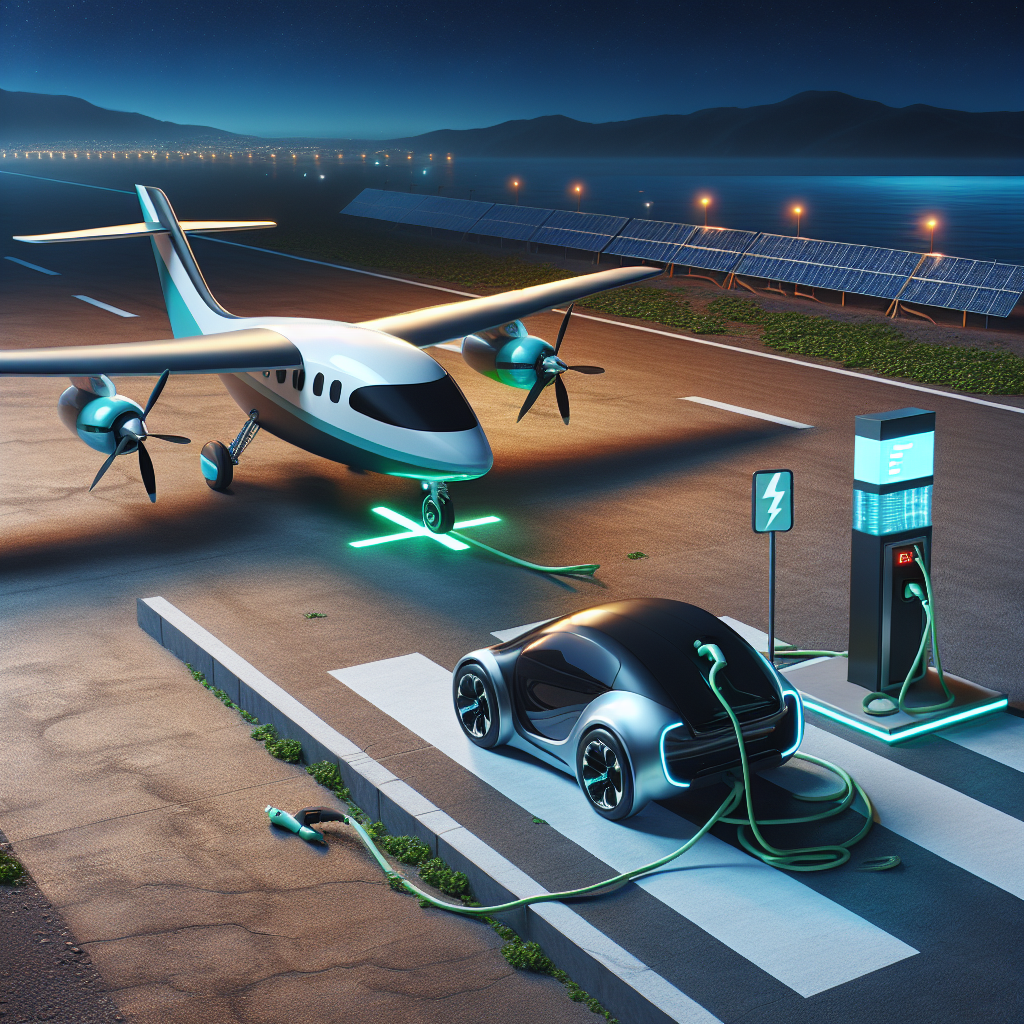
- Integrated Charging Networks: Airports could serve as hubs for both electric air and ground vehicles, providing a seamless transition between different modes of transport.
- Shared Electrical Grid Innovations: Advances in battery technology and grid management from either sector may benefit the other.
Opportunities for Collaboration
Considering the overlapping interests, such as sustainability goals and infrastructure demands, there is substantial room for collaboration:
- Cross-Industry Partnerships: Just as airlines have partnered to share routes and codes, automotive and aviation companies might collaborate on joint charging solutions and other technologies.
Conclusion: The Electrified Horizon
The efforts of Beta Technologies and Hyundai indicate that the dream of an electrified, greener future is well within reach. Whether through the skies or on the roads, these companies are pushing the boundaries and fostering innovation. While each faces its hurdles—like safety regulations for eVTOLs or charging compatibility in cars—the overall trajectory promises transformative developments for society.
As these companies continue their journeys, one thing becomes clear: the horizon of transportation is defined by innovation and sustainability. In this new era, the ability of companies to foresee challenges and pivot is as crucial as their groundbreaking technologies. The sky, indeed, is the limit.