
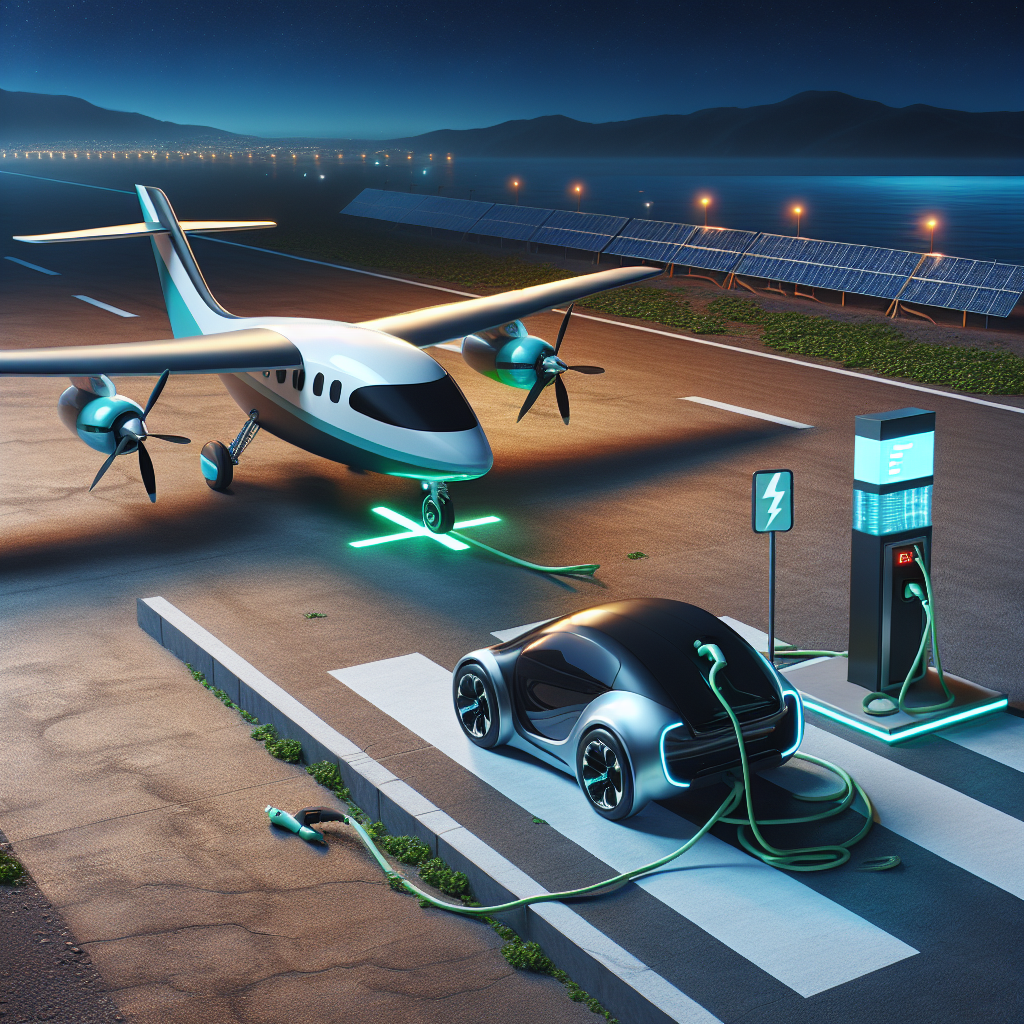
The Electrifying Future: Beta Technologies’ Ambitions and Hyundai’s Charging Port Dilemma
Welcome to the exciting world of electric aviation and automotive innovation! Today, we’re diving into a fascinating tale of how Beta Technologies is revolutionizing air travel and why Hyundai’s attempt at emulating Tesla’s charging ports is facing turbulence. As we explore these stories, we’ll shed light on how these advancements shape a sustainable future in transport. Let’s take off!
Soaring to New Heights: Beta Technologies and Electric Flight
The Vision Behind Beta Technologies
Beta Technologies is an ambitious startup with its sights set on transforming the aviation industry by bringing electric flight to the mainstream. Founded in 2017 by Kyle Clark, a former aerospace engineer, the company aims to introduce electric aircraft that are not only eco-friendly but also revolutionary in terms of efficiency and design.
Why Electric Flight Matters
- Environmental Impact: Traditional aircraft are significant contributors to carbon emissions. Electric-flight technology promises to almost eradicate this problem by drastically reducing the carbon footprint.
- Operational Cost Savings: Electric aircraft are anticipated to incur lower operational costs compared to conventional planes. Reduced fuel and maintenance expenses mean savings for airlines and, potentially, passengers.
- Innovative Design: Electric planes are an engineering marvel. With novel designs that include vertical takeoff and landing capabilities, they promise a new era of urban air mobility.
The Beta Technologies Approach
Beta’s approach involves creating electric vertical takeoff and landing (eVTOL) aircraft. Their flagship model, the ALIA, highlights the company’s commitment to advancing sustainable aviation tech.
Key Features of ALIA:
- Range and Payload: ALIA is designed to fly over 250 miles on a single charge, carrying a payload of up to 1,400 pounds.
- Energy Efficiency: It boasts an energy-efficient design, leveraging tilt-rotor technology and streamlined aerodynamics.
- Versatility: The design facilitates multiple use cases, from cargo delivery to passenger transport.
The Road to Commercialization
Partnerships: Beta Technologies is actively engaging with stakeholders in the aviation and logistics industries, including partnerships with UPS and United Therapeutics, to deploy ALIA in practical settings.
Regulations and Safety: Navigating regulatory landscapes is critical. Beta is working closely with aviation authorities like the FAA to ensure their aircraft meet stringent safety and certification standards.
Hyundai’s Charging Port Conundrum: Failing to Spark
Understanding Hyundai’s Ambitions
Hyundai, a dominant player in the automotive industry, has been venturing into the realm of electric vehicles (EVs) with vigor. While its vehicles often earn praise for innovation and reliability, the recent attempt to emulate Tesla’s charging technology has hit a snag.
The Tesla Charging Model
Tesla has long been lauded for its vast Supercharger network offering convenience and accessibility. Their proprietary charging ports have set industry standards, leaving competitors to either adapt or innovate new solutions.
Where Hyundai Went Wrong
Hyundai attempted to create a charging port reminiscent of Tesla’s, hoping to offer a similar level of convenience and speed. However, they overlooked some critical factors:
- Compatibility Issues: Unlike Tesla’s exclusive technology, Hyundai’s version faced compatibility challenges with existing charging infrastructures.
- Technical Malfunctions: The preliminary models encountered technical glitches, leading to consumer dissatisfaction and operational headaches for EV owners.
- Lack of Ecosystem: Tesla’s success is largely due to its integrated ecosystem. Hyundai’s attempt doesn’t offer the same seamless user experience across charging stations.
Lessons Learned and Next Steps
Hyundai publicly acknowledged these setbacks and has initiated steps to rectify the situation, focusing on:
- Partnerships: Collaborating with global charging networks to ensure better compatibility and user access.
- Open Standards: By adopting open standards, Hyundai plans to reformulate their charging strategies to align with global trends.
- Innovative Design: Future models will feature improved design elements, ensuring durability and efficiency.
A Glimpse into the Future: Collaborations and Innovations
Bridging the Gap
While Beta Technologies soars skyward, and Hyundai steers through its on-ground trials, there’s a growing nexus where the domains of electric flight and automotive tech may intersect. Here’s how:
Cross-Pollination of Technology
- Battery Tech Advancements: Continuous research in energy storage solutions for eVTOLs aids EV development and vice versa.
- Infrastructure Expansion: Cities preparing for eVTOLs will simultaneously expand EV charging infrastructures, benefiting both sectors.
Sustainability Goals
Both companies align with global sustainability targets, promoting cleaner transportation methods that minimize ecological footprints. As they advance, these technologies will play pivotal roles in developing smart cities and integrated transport systems.
The Role of Policy and Investment
For these visions to become a reality, strategic investments and supportive policies will be indispensable. Government incentives, tax breaks, and public-private partnerships could drive these innovations forward, leading to widespread adoption.
Conclusion: Embracing the Electric Revolution
While Beta Technologies revolutionizes electric flight and Hyundai navigates the complexities of EV infrastructure, the horizon appears abundantly promising. Both ventures signify a dynamic shift toward sustainable transportation, marrying innovative technology with eco-conscious mindsets.
Embark on this journey, and explore the endless possibilities of our electric future! Whether you’re an aviation enthusiast, a tech aficionado, or an eco-conscious consumer, the developments from these industry leaders will certainly keep you engaged. Share your thoughts, experiences, and predictions for the electric revolution in transportation—let’s spark a thought-provoking conversation!