
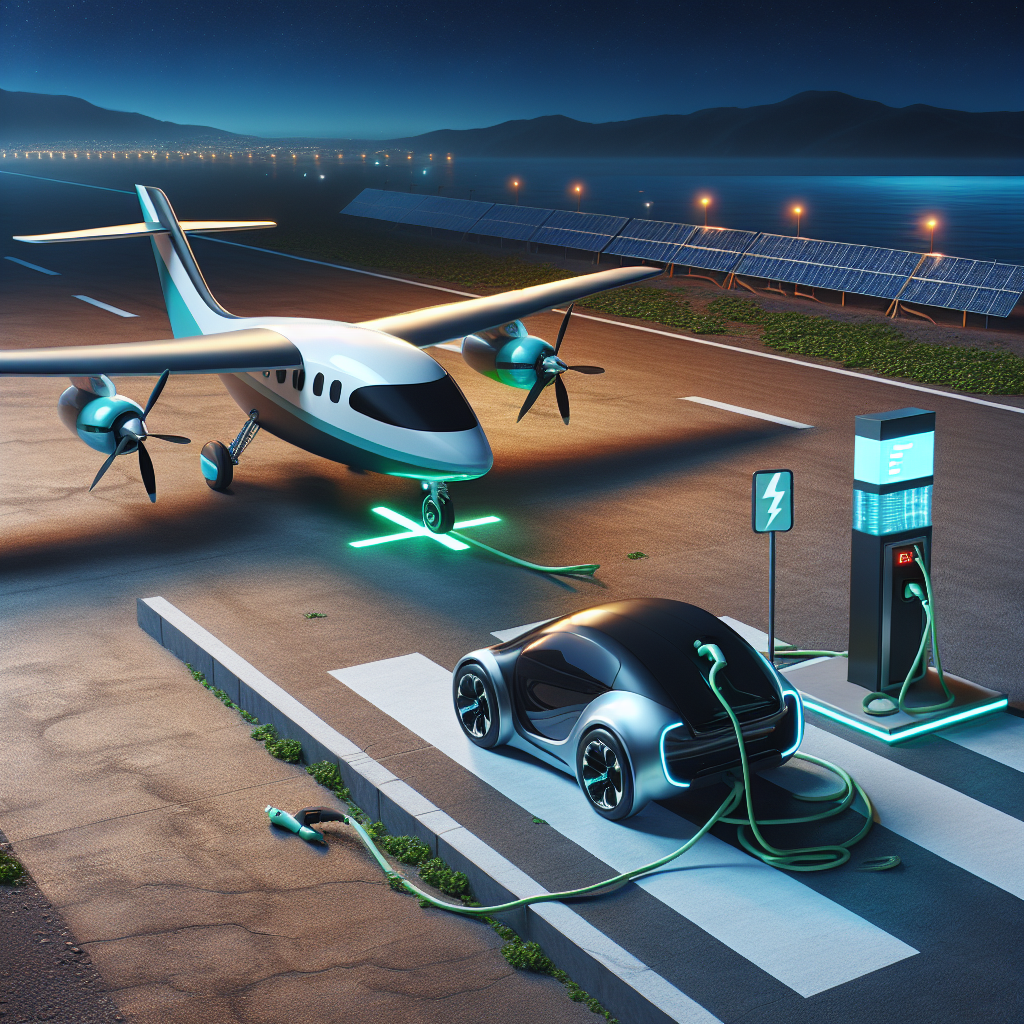
The Future of Transportation: Beta Technologies’ Leap into Electric Flight & Hyundai’s New Charging Misstep
In recent years, the transportation industry has experienced seismic shifts, driven by global calls for sustainability and the rapid acceleration of technology. Electric vehicles (EVs) have moved from the fringes to mainstream; however, it’s not just ground vehicles that have our attention. Companies like Beta Technologies are spearheading a remarkable transformation with their ambitious ventures into electric flight. Meanwhile, auto giants such as Hyundai are re-evaluating their infrastructure strategies, particularly concerning their approach to EV charging ports. This article delves into how Beta Technologies is revolutionizing the sky, while Hyundai’s recent struggle with Tesla charging port compatibility may have set them back on the road.
Beta Technologies: Pioneering the Electric Aviation Revolution
An Overview of Beta Technologies
Beta Technologies, a trailblazer in the electric aviation sector, has made headlines with its innovative approach to transport. Founded by Kyle Clark, a former engineer at F-35 manufacturer Lockheed Martin, Beta is committed to redefining how we think about flight.
- Mission: Beta aims to create electric aircraft that are both efficient and zero-emission, dramatically reducing the carbon footprint of traditional aviation.
- Vision: Moving beyond just electric planes, they envision a future where these aircraft could play a significant role in urban transport solutions, like air taxis.
The ALIA Electric Aircraft
At the forefront of Beta’s innovation is ALIA, their flagship electric aircraft, which is turning heads in the industry. Here’s what makes ALIA a game-changer:
- Design & Performance: ALIA boasts a sleek design inspired by the natural aerodynamics of the Arctic tern, promising efficiency and agility.
- Flight Range: It offers a projected range of 250 miles on a single charge, suitable for everything from cargo transport to medevac missions.
- Sustainability: As a fully electric vehicle, it reduces CO2 emissions significantly, aligning with global environmental targets.
Challenges and Opportunities
While electric aviation holds immense promise, it’s not without challenges:
- Battery Technology: The weight and energy density of batteries remain a primary challenge. Beta is investing in research to optimize battery performance and efficiency.
- Regulation and Certification: Navigating the aviation regulatory environment is complex and requires collaboration with authorities like the FAA.
Opportunity-wise, Beta is set to capitalize on:
- Market Potential: As urban areas aim to reduce congestion, Beta’s electric aircraft are perfectly positioned to offer sustainable transport solutions.
- Partnerships: Strategic alliances with logistics companies could bolster Beta’s market presence and expedite wider adoption.
Hyundai and the Tesla Charging Port Conundrum
Hyundai’s Ambition in the EV Market
Hyundai has positioned itself as a serious player in the EV market, with its range of electric vehicles gaining traction among consumers. Their vision is clear: become a leader not just in electric vehicles but in building an ecosystem around them.
The Tesla Charging Port Saga
Efforts to structure an inclusive charging ecosystem hit a stumbling block when Hyundai’s plans for the integration of Tesla charging ports proved problematic:
- Compatibility Issues: Hyundai’s EVs faced hurdles when attempting to universally integrate Tesla charging connectors — a crucial oversight given Tesla’s wide network.
- Consumer Frustration: Users expressed dissatisfaction, as cross-compatibility issues caused inconvenience, potentially impacting Hyundai’s reputation in the EV community.
Why Charging Infrastructure Matters
Charging infrastructure is the backbone of an effective EV strategy. Here’s why it’s critical:
- Driver Confidence: Accessible and reliable charging gives consumers confidence to invest in EVs.
- Market Leadership: Companies that streamline charging compatibility stand to lead and set industry standards, much like Tesla with its Supercharger network.
Hyundai’s Path Forward
Despite the hiccup, Hyundai’s path forward remains promising:
- Infrastructure Investment: Hyundai is pledging investments to enhance their EV infrastructure, positioning future vehicles with better charging compatibilities.
- Strategic Partnerships: Engaging in partnerships with various charging networks could remedy past missteps and broaden Hyundai’s customer base.
Electric Transformation: The Road Ahead
Innovating for the Planet
Both Beta Technologies and Hyundai highlight the broader narrative of sustainability, innovation, and strategic foresight required in modern transportation:
- Environmental Impact: As both aviation and automotive industries contribute heavily to carbon emissions, their shift towards electric paves a significant reduction path.
- Integrative Ecosystems: Collaborative strategies optimizing air and ground electric transportation can fruitfully coexist in megacities worldwide.
The Consumer Experience
Ultimately, consumers stand to benefit the most from these advancements:
- Cost and Efficiency: Reduced operating costs and increased efficiency from electric vehicles and aircraft translate into potential savings.
- Convenience and Access: Improved infrastructure leads to a seamless, hassle-free experience for adopting new technologies.
Prospects for the Future
Looking ahead, the trajectory seems clear:
- Market Share Expansion: Companies that innovate and adapt rapidly to tech evolution and infrastructure demands will dominate market trends.
- Global Collaborations: Increased collaboration across companies and industries can accelerate technological advancements and benefit the planet at large.
In conclusion, both the skies and roads are undergoing transformational changes with Beta Technologies and Hyundai as key players. While Beta leads with groundbreaking aviation technologies, Hyundai’s stumble with Tesla’s charging network spells caution for carmakers navigating the EV infrastructure landscape. Regardless, the future of zero-emission transportation holds promise that could redefine travel within our lifetime. Stay tuned as innovation continues to soar and evolve.
Explore more on beta technologies and future transport innovations at YourWebsite.com.