
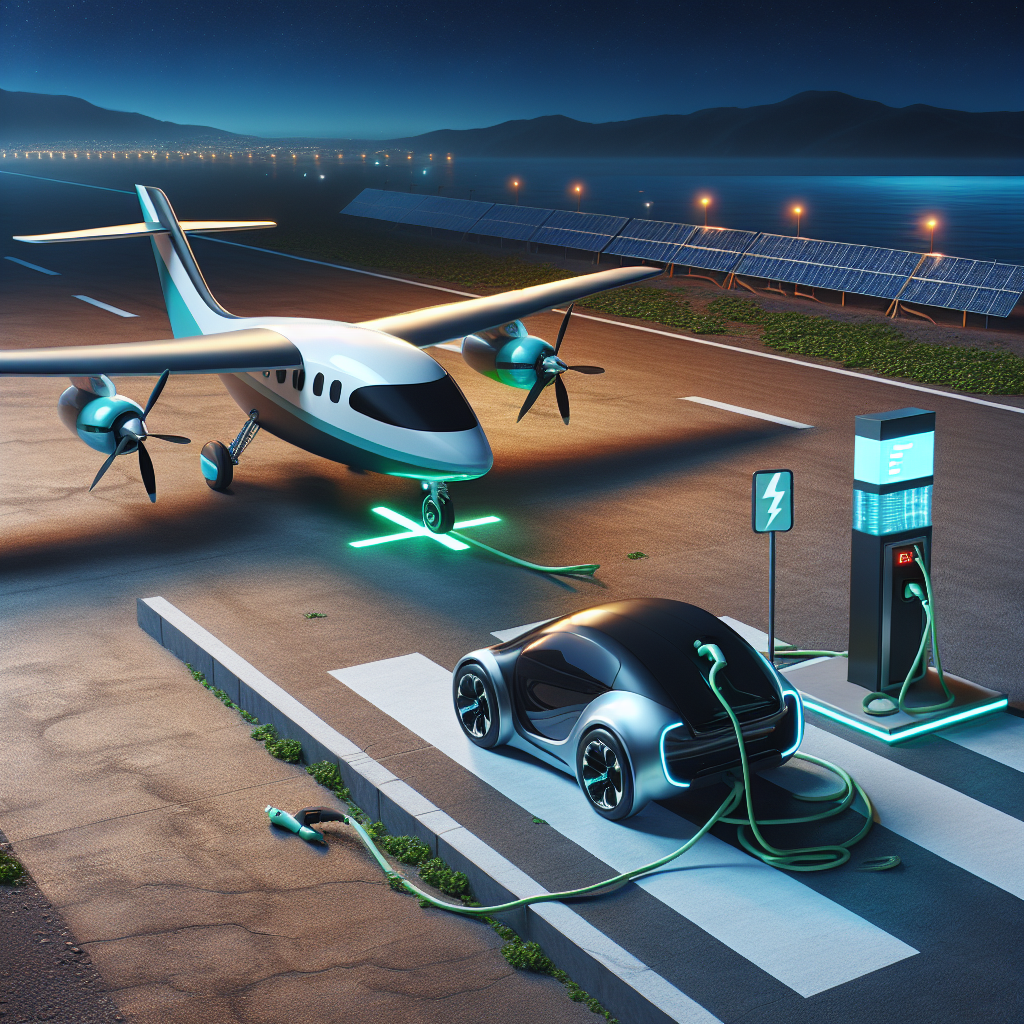
Pioneering the Skies and the Ground: Beta Technologies’ Electric Flight Ambitions and Hyundai’s Charging Port Dilemma
In a world driven by technological advancements, two industries are making significant strides: aviation and automotive. Beta Technologies, an innovative powerhouse, is setting its sights on revolutionizing how we perceive flight through electric aircraft. Meanwhile, automotive giant Hyundai is shaking grounds, albeit facing challenges, with their new Tesla-compatible charging port. Let’s delve deeper into these transformative developments and discover how they might reshape our future.
The Flight Revolution: Beta Technologies Leading the Charge
Electrifying the Skies
Beta Technologies has embarked on a visionary mission to reshape aviation as we know it. At the heart of this transformation is their all-electric aircraft, which seeks to combine sustainability with unprecedented efficiency.
What Sets Beta Technologies Apart?
- Innovative Designs: Beta’s aircraft are not only sustainable but also designed with aerodynamics at their core, ensuring maximum efficiency and reduced emissions.
- Advanced Battery Technology: Their cutting-edge battery systems provide extended range and quick charging capabilities, crucial for the viability of electric flight.
- Versatile Applications: Beyond passenger transport, these aircraft have potential applications in cargo delivery, emergency response, and more.
The Future of Electric Aviation
Beta Technologies’ bet on electric flight isn’t just about innovation; it’s about changing the world’s transportation infrastructure.
- Environmental Benefits: By significantly reducing carbon footprints, electric aircraft are pivotal in combating climate change.
- Economic Impact: This innovation promises to lower the operational costs for airlines and potentially airfare for consumers.
- Regulatory Landscape: Navigating these waters requires collaboration with regulatory bodies to ensure safety without stifling innovation.
Hyundai’s Charging Solution: A Step Forward, Yet a Setback
Hyundai’s Vision for an Interconnected World
Hyundai has been at the forefront of integrating sustainable practices within the automotive industry. Their latest endeavor is introducing a new charging port compatible with Tesla’s Supercharger network.
Challenges in Implementation
Despite the ambitious vision, Hyundai’s new charging port strategy is meeting unforeseen challenges.
- Technical Compatibility Issues: Initial tests reveal that not all Hyundai vehicles are seamlessly compatible with Tesla’s charging stations.
- Infrastructure Limitations: The current infrastructure needs significant enhancements to support wider compatibility and faster charging speeds.
- Consumer Concerns: Hyundai users have expressed concerns about the reliability and accessibility of these charging stations, especially in remote areas.
Towards a Seamless Electric Ecosystem
Hyundai’s vision for a universally accessible charging network is ambitious but requires collaborative efforts.
- Partnerships and Collaborations: Partnering with other EV manufacturers and infrastructure developers can pave the way for a more interconnected system.
- Innovating for Compatibility: Continuous R&D to enhance compatibility and performance is vital for Hyundai to deliver on its promises.
- Consumer Education: Educating consumers about new technologies and addressing their concerns transparently will enhance trust and adoption.
Bridging the Gap: What This Means for the Future
An Integrated Sustainable Transport System
The advancements by both Beta Technologies and Hyundai highlight a pivotal shift towards an integrated and sustainable transportation system.
- Shared Goals: Both companies emphasize reducing environmental impact, though their approaches target different facets of the transportation sector.
- Future Synergies: Imagine a future where electric aircraft and vehicles work in tandem to provide end-to-end sustainable travel solutions.
- Policy and Innovation: Policymakers play a crucial role in fostering innovation within a framework that ensures safety, efficiency, and environmental protection.
Consumer Impact and Adoption
The real game-changer lies in consumer adoption, which is influenced by several factors:
- Affordability: As technologies mature, we should expect lowered costs and a more significant appeal to the mass market.
- Convenience and Infrastructure: A crucial aspect of adoption is the ease of use and accessibility, driven by robust infrastructure and customer-friendly policies.
- Awareness and Education: Educating the masses about the advantages and operations of these technologies will enhance comfort and accelerate adoption rates.
Conclusion: A Future Painted in Green and Blue
Beta Technologies and Hyundai represent the future’s pioneers, ushering an era where green and efficient transportation is not just a concept but a reality. While Beta stretches our imagination into the skies, Hyundai reminds us that innovation’s real test lies on the ground. Together, these industries are crafting a narrative for a sustainable tomorrow, where technology aligns seamlessly with ecological stewardship.
The path may be riddled with challenges, as seen in Hyundai’s current hurdles, but the destination promises a horizon filled with cleaner skies and roads. In a world racing towards sustainability, Beta Technologies and Hyundai are not just players—they are leaders. And as they soldier on, they invite us all to partake in the journey toward a greener, cleaner, and more connected world.
As we stand at the crossroads of this revolution, one thing is clear: the future of transport is electric, and it is already here. Will you be part of this electrifying journey?