
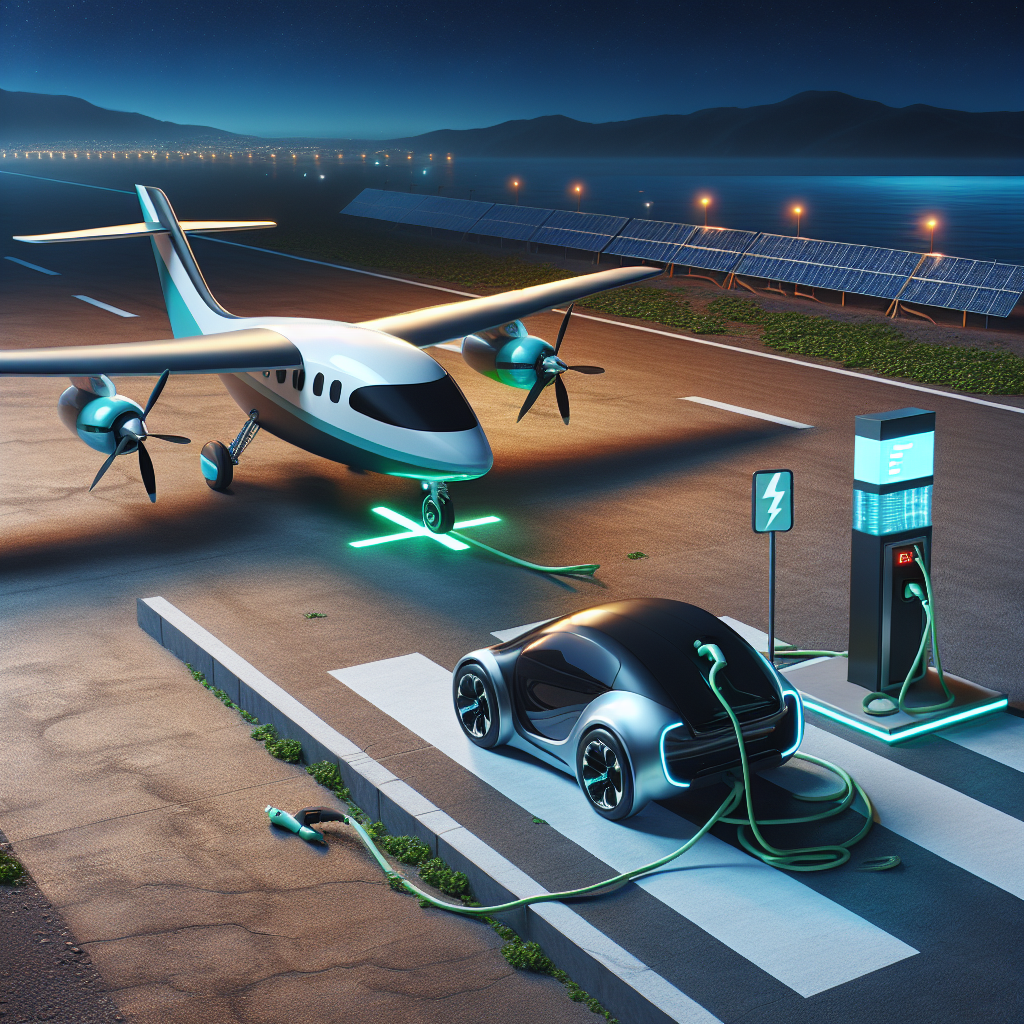
The Future of Mobility: Beta Technologies’ Vision for Electric Flight and Hyundai’s Charging Conundrum
In the burgeoning landscape of electric transportation, two giants stand out for their distinct endeavors: Beta Technologies, a key player in electric aviation, and Hyundai, setting its sights on automotive electrification. These innovations not only represent remarkable technological strides but also embody the shifting paradigms in how we envision the future of travel. In this article, we delve into Beta Technologies’ revolutionary work in electric flight and Hyundai’s ambitious, yet challenging, advancements in charging infrastructure.
Beta Technologies: Pioneering the Skies with Electric Flight
The Vision: A Sustainable Airborne Future
Beta Technologies has emerged as a trailblazer in the electric aviation sector, focusing on sustainable, eco-friendly airborne solutions. In a world increasingly concerned with carbon emissions and environmental degradation, electric flight presents a promising alternative to traditional aviation.
Innovating with eVTOL
At the heart of Beta Technologies’ approach is the development of electric Vertical Takeoff and Landing (eVTOL) aircraft. These lightweight, electrically powered vehicles promise several advantages:
- Reduced Emissions: Unlike conventional aircraft, eVTOLs do not rely on fossil fuels, significantly cutting greenhouse gas emissions.
- Lower Noise Pollution: Electric motors are inherently quieter than combustion engines, making eVTOLs ideal for urban environments.
- Greater Efficiency: With fewer moving parts, electric propulsion systems offer higher reliability and reduced maintenance costs.
The eVTOL Impact: Transforming Urban Mobility
The implications of widespread eVTOL adoption are profound, particularly for urban transportation. Cities grappling with traffic congestion and pollution can benefit immensely from this technology.
- Urban Air Mobility (UAM): eVTOLs enable fast, efficient, and on-demand short-haul flights, reducing the strain on overburdened road networks.
- Economic Benefits: The development and deployment of eVTOL infrastructure could create jobs and stimulate local economies.
- Public Safety: As eVTOL technology matures, it could offer a safer alternative to traditional aviation, reducing the risk of airborne accidents.
Hyundai’s Charging Challenge: The Tesla Port Predicament
While Beta Technologies looks to the skies, Hyundai focuses on the ground, particularly the electrification of its fleet and accompanying infrastructure. However, Hyundai’s ambitious plan to integrate a Tesla charging port has hit unexpected hurdles.
The Charging Infrastructure Race
With the shift towards electric vehicles (EVs), the demand for robust and accessible charging infrastructure has skyrocketed. Hyundai’s attempt to leverage Tesla’s proprietary charging system reflects their strategy to tap into established networks.
The Benefits of Adopting the Tesla Port
- Widely Accessible Infrastructure: By adopting Tesla’s charging port, Hyundai aims to provide its customers with access to Tesla’s extensive Supercharger network.
- Customer Convenience: Simplifying charging for EV owners is crucial for widespread adoption.
The Challenges: Compatibility and Cost
Despite potential benefits, Hyundai’s foray into Tesla’s charging ecosystem faces significant obstacles.
- Technical Compatibility: Adapting to Tesla’s charging standards involves overcoming considerable technical challenges, as Tesla’s systems are distinct from other EV standards.
- Costs and Collaborations: Engaging with Tesla’s proprietary technology may result in increased costs, impacting the affordability of Hyundai EVs.
Balancing Innovation with Feasibility
Both Beta Technologies and Hyundai exemplify the dual nature of innovation: boundless potential coupled with pragmatic challenges. To succeed, strategic approaches are essential.
Strategic Collaborations
- Cross-Industry Partnerships: Engaging with other industries and stakeholders can help pool resources, fostering a more collaborative innovation environment.
- Government Incentives: Governments worldwide are increasingly supportive of green technologies. Leveraging these incentives can further propel research and development.
The Role of Regulation
- Standardization: Establishing industry-wide standards for technologies such as eVTOL and charging ports ensures compatibility and reliability.
- Safety and Compliance: Regulatory oversight is crucial to ensure that new technologies meet high safety and environmental standards.
Conclusion
The journeys of Beta Technologies and Hyundai in their respective electric aspirations represent the broader transformation across the transportation industry. From electric flight to charging infrastructure, these trailblazers underscore the shifts towards a more sustainable, innovative, and interconnected future.
As consumers, investors, and policymakers, the onus is on us to support and adapt to these innovations, ensuring that the bets placed today become the stepping stones for a greener, smarter, and more connected tomorrow.
The path forward involves embracing the challenges, celebrating incremental victories, and collectively working towards a horizon where electric skies and efficient charging coexist seamlessly.
Engage in the discussion! Share your thoughts on electric flight and EV charging infrastructure with us in the comments below. What are your predictions for the future of mobility?