
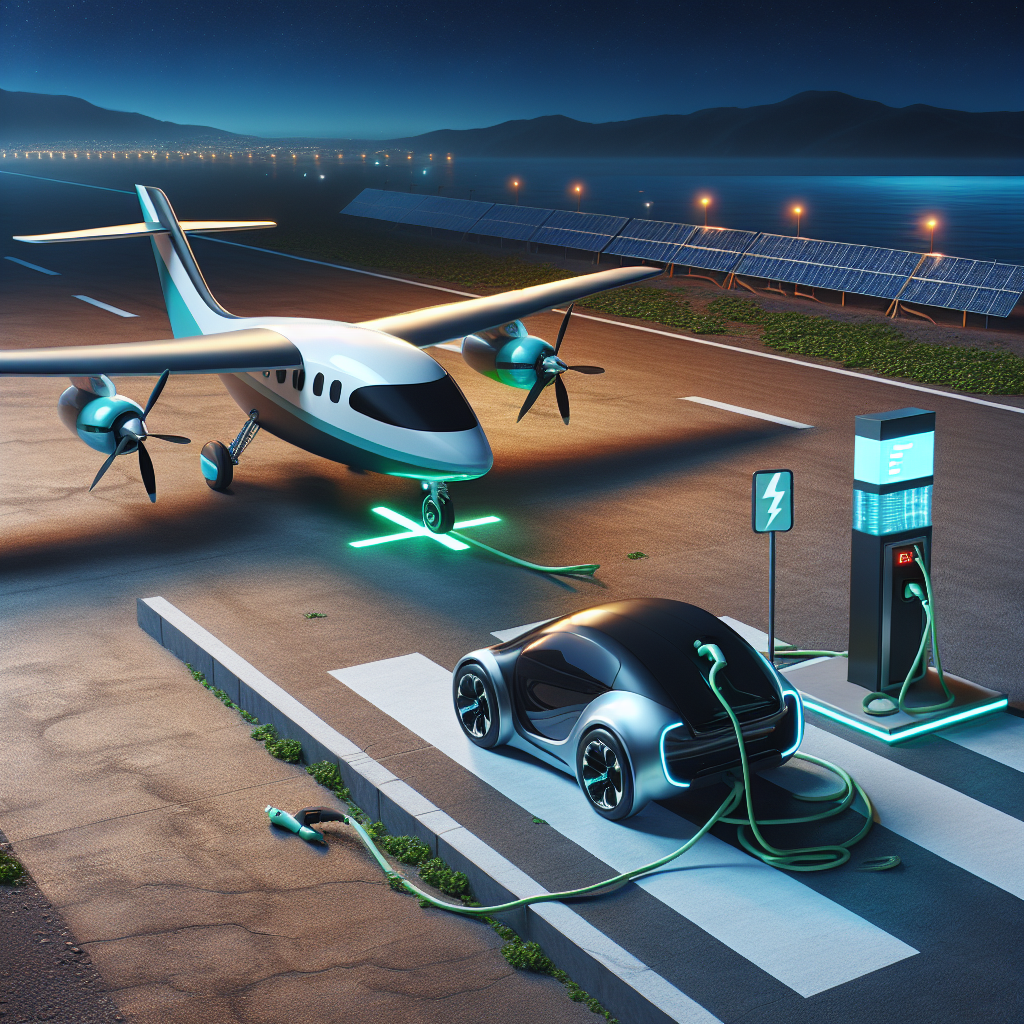
Flying into the Future: Beta Technologies’ Electric Flight Innovations vs. Hyundai’s Charging Port Struggles
In an era where technological innovation is rapidly transforming how we live and move, Beta Technologies and Hyundai are making waves in the transportation industry with their distinct approaches to energy and mobility. Beta Technologies’ ambitious electric flight projects and Hyundai’s efforts in refining charging solutions for electric vehicles (EVs) position them as significant players in the sustainable transportation sector. However, each faces its unique set of challenges. This article explores Beta Technologies’ investment in electric aviation and contrasts this with the recent shortcomings of Hyundai’s charging infrastructure development.
Beta Technologies: Leading the Charge in Electric Aviation
Beta Technologies is pioneering an effort to make electric flight more than a distant vision. The company’s focus is on developing aircraft that are not only environmentally friendly but also revolutionize air travel efficiency.
The Vision Behind Electric Flight
Electric aviation stands to reshape the aerospace industry in profound ways. The underlying vision at Beta Technologies includes:
- Reducing Carbon Emissions: With electric aircraft, Beta is committed to reducing the aviation industry’s carbon footprint, which is significant compared to other sectors.
- Enhancing Efficiency and Cost-effectiveness: Electric planes offer quieter operations and have the potential for lower operational costs due to fewer moving parts and reliance on electricity over traditional fuels.
- Expanding Accessibility: By developing smaller, electric vertical takeoff and landing (eVTOL) aircraft, Beta aims to make air transportation accessible for shorter, regional commutes.
Technological Innovations and Partnerships
Beta Technologies is capitalizing on several key innovations to push their electric flying vision forward:
- Advanced Battery Systems: They’re investing in lightweight, high-capacity batteries essential for extended flight times.
- Collaborations with Industry Leaders: Beta Technologies has partnered with companies like UPS and the U.S. Air Force to both test and deploy their new aircraft innovations.
- Autonomous Flight Technologies: Developing autonomous systems for safe, efficient, and pilot-less operations is a cornerstone of their approach to contemporary flying solutions.
Challenges and the Road Ahead
While their goals are ambitious, Beta Technologies faces several challenges:
- Regulatory Hurdles: Like all pioneering technologies, electric flight must navigate complex regulatory frameworks that govern airspace and aviation safety.
- Infrastructure Needs: Integrating electric aircraft into the current transportation landscape requires significant infrastructure development, including novel charging stations and urban air mobility airports.
- Market Acceptance: Beta must focus on gaining public trust and creating a viable customer base willing to adopt this new mode of sustainable transportation.
Hyundai and Electric Vehicle Charging: A Friction Point
While Beta Technologies focuses on innovating flight, Hyundai has confronted challenges in electric vehicle (EV) charging, particularly concerning the Tesla Supercharger network.
Hyundai’s Transition to EVs
Hyundai has committed to accelerating its transition to electric vehicles:
- Building Competitive EV Models: Hyundai is actively working to expand its lineup with cutting-edge electric vehicles, aiming to capture significant market share.
- Infrastructure Development: Essential to Hyundai’s strategy is developing and collaborating on a robust charging network, but challenges have arisen.
The Tesla Charging Port Saga
One particular hurdle for Hyundai has been the adaptation to the dominant Tesla charging ecosystem. Here’s what went awry:
-
Compatibility Issues: While many automakers are working to incorporate Tesla’s connectors, Hyundai’s new charging port design has faced criticism due to its limited compatibility, which could hinder EV adoption.
-
Customer Inconvenience: Users have reported difficulties in accessing fast-charging capabilities, an issue Hyundai must rectify to meet customer expectations and facilitate wider EV adoption.
- Strategic Missteps: The failure to align more closely with ubiquitous charging networks underscores the importance of strategic partnerships in the EV sector.
Learning from Setbacks
The difficulties Hyundai faces draw attention to several vital considerations:
- Importance of Robust Partnerships: Collaborations with powerhouses like Tesla could greatly improve Hyundai’s charging infrastructure.
- Customer-Centric Design: Understanding driver needs and ensuring seamless charging access are critical to winning consumer trust.
Comparing Strategies: Sky-High Visions and Grounded Realities
The juxtaposition of Beta Technologies’ advancements in electric flight with Hyundai’s hiccups in EV charging illustrates broader themes in today’s innovation landscape:
Pioneering vs. Profitability
- Beta’s Innovation Lab vs. Hyundai’s Market Focus: While Beta pursues long-term technological breakthroughs untethered by immediate market pressures, Hyundai must balance innovation with current market expectations and profitability.
Infrastructure Needs
- Air and Ground Infrastructure: Beta and Hyundai both face significant infrastructure challenges, whether in creating skyports for electric aircraft or enhancing ground-level EV charging stations.
Consumer Adoption and Trust
- Building for the Future vs. Meeting Present Needs: As Hyundai rectifies its charging strategy, it must keep an eye on Beta Technologies’ approach to building long-term consumer trust through reliability, safety, and efficiency.
Conclusion: Navigating the Path to Sustainable Transport
Beta Technologies’ ventures into electric aviation and Hyundai’s challenges with charging infrastructures provide a snapshot of the ever-evolving field of sustainable transportation. Electric flight is no longer a mere futuristic dream; it’s a burgeoning reality, thanks to companies like Beta prioritizing groundbreaking technology and meaningful partnerships. Meanwhile, Hyundai’s missteps remind us of the crucial need for strategic alignment with industry standards to ensure customer satisfaction and adoption.
As the world continually shifts towards more sustainable modes of transportation, the lessons from both Beta Technologies and Hyundai underscore each one’s strides and challenges in developing the future of travel. Their stories speak to the broader narrative of innovation as humanity ascends into a new age of clean, efficient, and accessible movement.