
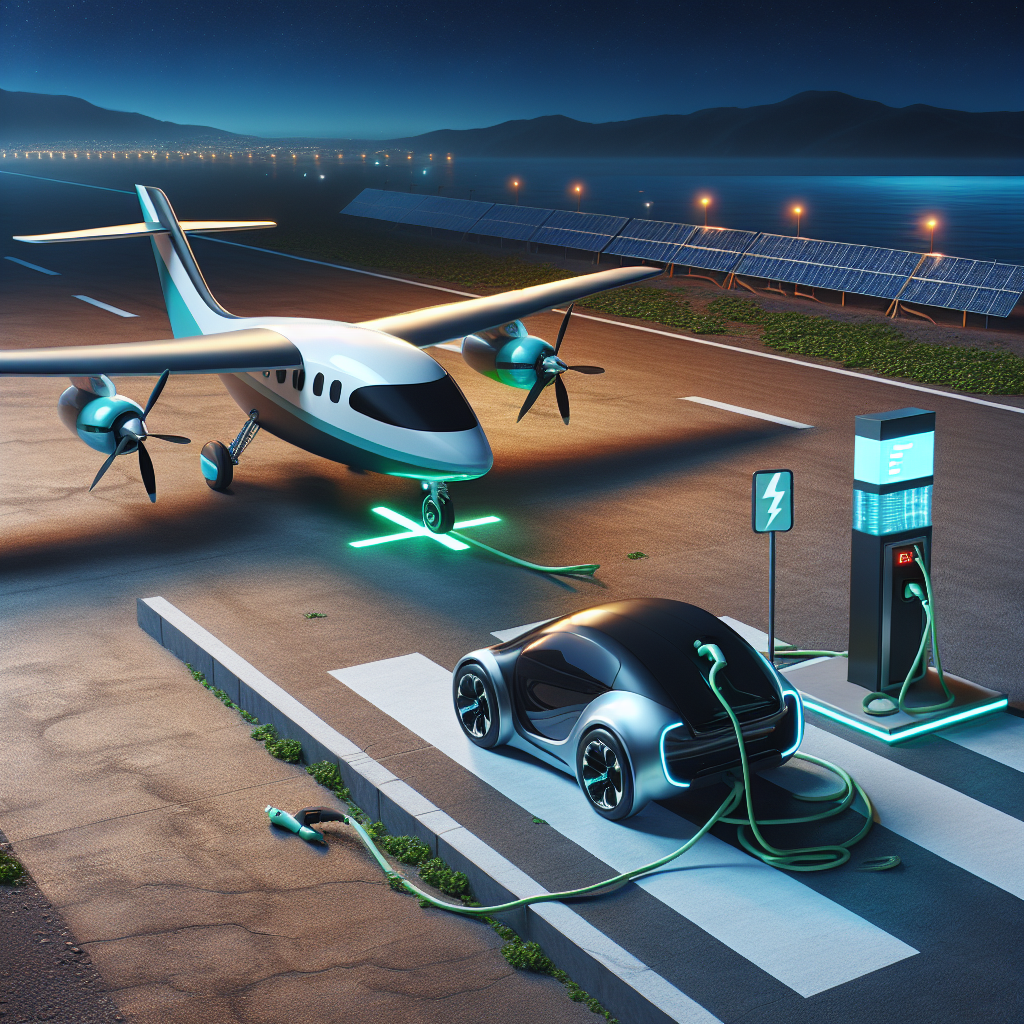
Soaring into the Future: Beta Technologies’ Electric Flight Vision and Hyundai’s Charging Challenges
In the realm of transportation innovation, the skies and the roads are ripe territories for groundbreaking advancements. As the quest for sustainable transport escalates, companies like Beta Technologies are betting big on electric flights, aiming to revolutionize how we traverse the skies. Meanwhile, on solid ground, Hyundai is tackling challenges in adapting to the widely accepted Tesla charging port standard. This article delves into how Beta Technologies is charting a new course in electric aviation and how Hyundai’s venture into electric vehicle charging infrastructure highlights broader challenges in the EV ecosystem.
Beta Technologies’ Vision for Electric Aviation
Redefining Air Travel with Electric Vertical Takeoff and Landing (eVTOL)
Beta Technologies is at the forefront of electric aviation, a sector that promises reduced emissions and quieter, more efficient air travel. Their focus is on developing eVTOL aircraft—aerial vehicles that take off and land vertically, much like a helicopter but with the potential range and efficiency of an airplane.
- Sustainability Goals: Beta Technologies’ eVTOLs aim to drastically cut down on carbon emissions, adhering to global sustainability goals.
- Technical Innovations: Their aircraft design incorporates advanced battery technology and lightweight materials, optimizing flight efficiency.
- Market Potential: As urban air mobility grows, Beta’s eVTOLs could revolutionize short-haul flights, alleviating urban congestion and reducing travel time.
Challenges and Opportunities
While the promise of electric flight is enticing, several hurdles lie ahead:
- Regulatory Compliance: Passing strict aviation certifications for safety and technology validation.
- Infrastructure Needs: Developing supporting infrastructure, like charging stations and vertiports, is crucial for the operational success of eVTOLs.
- Public Acceptance: Gaining public trust in new aviation technology and overcoming fears related to safety and reliability.
Beta Technologies’ Partnerships and Progress
To achieve their ambitious goals, Beta Technologies is collaborating with various stakeholders across industries.
- Partnering with air travel companies for fleet conversion.
- Collaborating with city planners to integrate eVTOL services into existing transport networks.
- Securing investments from leading venture capitalists who share their vision of next-gen sustainable transport.
Hyundai’s Challenge with the Tesla Charging Port
Attempting to Integrate Standardization in EV Charging
Hyundai, a major player in the automotive industry, has been proactive in the electric vehicle market. However, its venture into using Tesla’s proprietary charging port brings about significant challenges.
- Tesla’s Open Charging Network: Tesla’s Supercharger network, with its unique charging port, is often seen as the gold standard for fast charging. Integrating this with Hyundai’s vehicles requires adaptive solutions.
- Compatibility Issues: Hyundai faces technical hurdles in aligning their vehicles’ battery systems with Tesla’s charging technology.
The Larger Problem of Charging Infrastructure
The issue with Tesla’s charging standard highlights broader problems within the EV charging ecosystem. Despite several advancements, EV charging is plagued by fragmentation and a lack of universal standards.
- Diverse Standards: Besides Tesla, there are other charging standards like CHAdeMO and CCS. This diversity creates complexities for manufacturers and confusion for consumers.
- Infrastructure Gaps: The uneven distribution of charging stations impacts the convenience of EV usage, with some areas significantly underserved.
- Economic Viability: High investments are necessary to retrofit existing charging infrastructure to accommodate multiple standards.
Synergies and Separations: Learning from the Air and Land
Shared Lessons Between Electrical Aviation and Automobile Industries
While electric aviation and automobile sectors operate in different realms, they share a common mission of reducing environmental impact and optimizing efficiency:
- Battery Technology Innovation: Advancements in battery tech are pivotal to both sectors for enhancing range and minimizing charging times.
- Regulatory Cooperation: As both industries are highly regulated, cooperation with regulatory bodies is crucial to ensure safety and technological compliance.
Diverging Challenges and Solutions
Despite shared goals, the practical challenges each sector faces differ greatly:
- Scale of Deployment: Electric cars have seen wider adoption compared to electric aircraft, which are still in the experimental and regulatory phases.
- Public Infrastructure: While EVs require an expansive ground network of charging stations, eVTOLs demand a new aerial infrastructure, posing a different magnitude of investment and planning.
Conclusion: Pioneering a New Frontier of Mobility
The exploration of electric aviation by Beta Technologies and the charging conundrum faced by Hyundai illustrate two facets of a transformative era in transportation. While Beta Technologies is readying to take the leap with eVTOLs, Hyundai is navigating the complicated terrain of EV charging infrastructure.
For both sectors, the common pathway involves enduring innovation, collaboration, and an unwavering focus on sustainability. The future of electric mobility—be it airborne or terrestrial—holds tremendous potential, with companies like Beta and Hyundai poised to lead this journey of change. Advocating for standardized regulations, investing in reliable infrastructure, and continuous technological advancements are essential steps toward achieving a future of seamless and sustainable transportation.
As we soar into a cleaner, greener horizon, both the skies and the roads ahead offer unlimited possibilities for reimagining the way we move.