
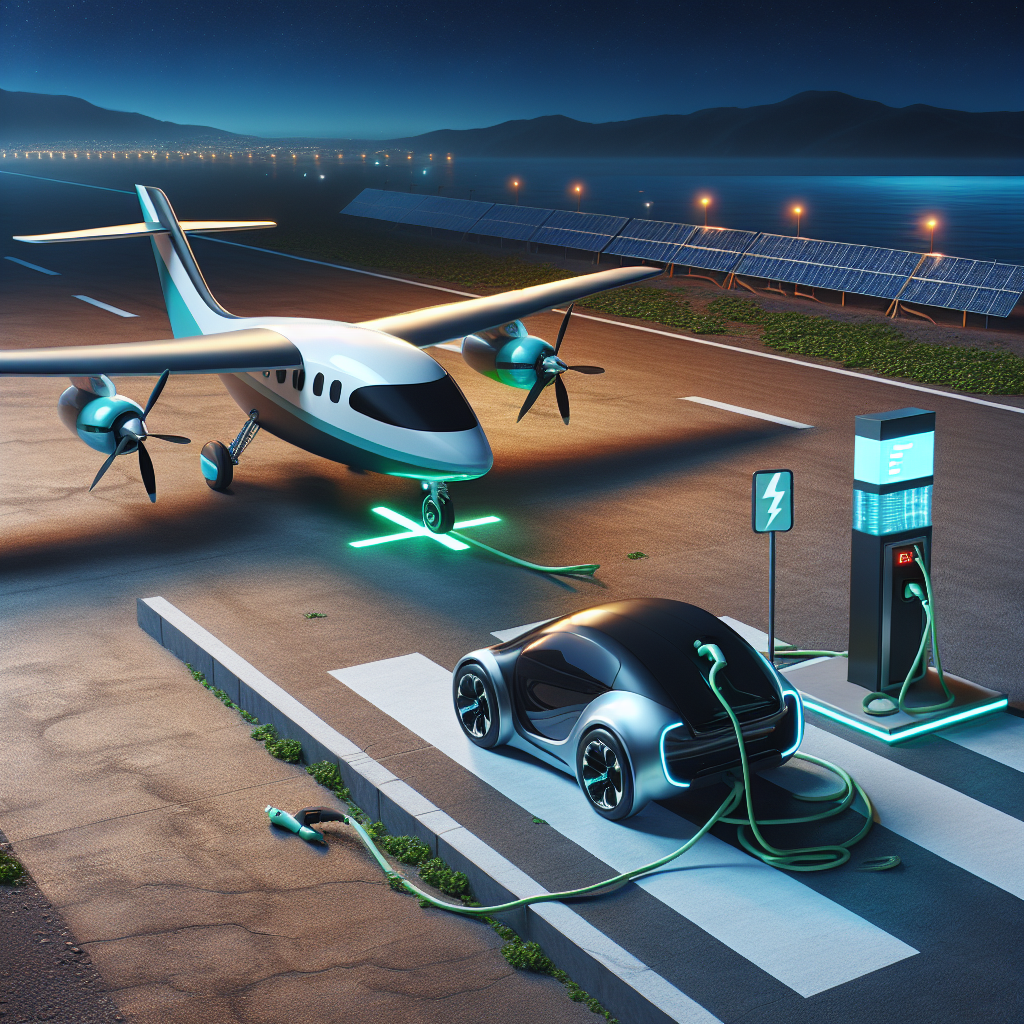
Navigating the Future of Green Aviation: Beta Technologies’ Electric Flight Innovations and Hyundai’s Charging Challenges
In a world increasingly focused on sustainability and reducing carbon emissions, electric flight technology and advancements in charging infrastructure are taking center stage. As companies like Beta Technologies advance the electric flight revolution, automakers such as Hyundai are navigating challenges to meet evolving consumer needs. Here, we explore these developments and what they signify for the future of transportation.
Electric flight is no longer a concept of the far-off future; it’s a pressing reality that’s continually shaping the aviation industry. While Beta Technologies is making waves with its innovative electric aircraft, other players, such as Hyundai, are tackling issues related to charging infrastructure. These two key players are charting a path forward where electric aviation and effectively integrated charging systems could redefine our transportation landscape.
The Rise of Beta Technologies in Electric Aviation
Beta Technologies stands as a leading figure in the electric aviation sector. Their commitment to sustainability and innovative approach to air travel hold the promise to revolutionize how we fly. But what makes their approach unique, and how are they planning to change the skies?
Understanding Beta Technologies
Founded on the principle that sustainable transportation is urgently needed, Beta Technologies has focused on developing electric vertical takeoff and landing (eVTOL) aircraft. Here’s a closer look at their mission, objectives, and achievements:
- Mission Statement: Revolutionize air transportation with zero-emission solutions.
- Key Objective: Develop reliable, efficient, and eco-friendly electric aircraft.
- Achievements:
- Successful test flights of eVTOL aircraft.
- Implementation of environmentally friendly battery technology.
- Strategic partnerships supporting infrastructure development.
The Breakthroughs in eVTOL Technology
Beta Technologies has invested significantly in research and development to create electric aircraft capable of transforming short-haul flights and urban air mobility. Their key breakthroughs entail:
1. Advanced Battery Solutions
Battery technology remains crucial in achieving sustainable electric flight:
- Enhanced Energy Density: Batteries with high energy retention for longer flight durations.
- Rapid Charging Capabilities: Reduced downtime with faster charging solutions.
- Sustainable Production: Adopting manufacturing processes that minimize carbon footprint.
2. Cutting-edge Aerodynamics
Beta’s aircraft utilize advanced materials and design for optimal performance:
- Lightweight Composites: Reduce overall aircraft weight.
- Efficient Propulsion Systems: Improve energy efficiency and flight range.
3. Scalable Infrastructure
Strategic infrastructure is vital for the practical deployment of eVTOLs:
- Vertiports: Development of dedicated takeoff and landing hubs.
- Support Networks: Strategic tie-ups for network integration across cities.
Hyundai’s New Tesla Charging Port: A Shortfall or Stepping Stone?
As electric vehicles steadily become mainstream, charging infrastructure remains a critical factor for consumer adoption. Hyundai’s recent development in this space—introducing a Tesla-compatible charging port—aims to provide ease of access for its EV users. However, challenges abound.
Challenges in Charging Infrastructure
The widespread adoption of electric vehicles hinges on a robust charging network. Hyundai has recognized this necessity and has made strides toward integrating Tesla’s established standard with their own vehicles. Yet, several challenges persist:
- Compatibility Issues: Aligning new charging stations with varying vehicle types requires complex engineering solutions.
- Market Saturation: The rapid influx of charging stations can lead to oversaturation and underutilization.
- Cost Implications: Upfront investments and operational costs of expansive charging networks can be prohibitively high.
Hyundai’s Approach to Tesla-Compatible Charging
Hyundai’s decision to adopt Tesla’s charging standards represents a strategic move to align with a robust existing infrastructure. Here are some of Hyundai’s key strategies and considerations:
1. Adopting Universal Standards
To bridge the gap, Hyundai is focusing on creating a common standard:
- Versatile Charging Ports: Enabling compatibility across diverse electric vehicles.
- Collaborative Partnerships: Align with tech leaders, such as Tesla, to leverage existing infrastructure.
2. Expanding Charging Networks
Hyundai aims to facilitate broader EV uptake by focusing on network expansion:
- Strategic Locations: Deploying charging stations in high-demand areas.
- Flexible Solutions: Incorporating both slow and fast charging options.
The Path Forward: Harmonizing Air and Ground Electric Solutions
As Beta Technologies and Hyundai work on conquering challenges and crafting innovative solutions, the future seems more electric and interconnected than ever.
Implications for Consumers
With advancements in electric aviation and charging infrastructure, here’s how consumers stand to gain:
- Reduced Carbon Footprint: Cleaner air travel and reduced emissions from ground transportation.
- Improved Accessibility: Widespread adoption of electric aircraft and vehicles.
- Cost Benefits: Long-term savings from efficient and sustainable energy use.
Future Trends in Electric Transportation
As technology evolves, several trends are anticipated to shape the landscape:
- Increased R&D Investment: Continuing innovation in battery and charging technologies.
- Government Incentives: Policies encouraging sustainable transportation adoption.
- Interconnected Transit Systems: Integrated air-ground solution networks for seamless travel.
Conclusion: Charting New Horizons in Electric Transportation
The world of transportation is on the brink of a significant transformation. With pioneering efforts from Beta Technologies and Hyundai, the electric revolution continues to gain momentum. As technological boundaries in electric flight are expanded and charging infrastructure is increasingly optimized, the transportation sector inches closer to realizing a sustainable, energy-efficient future. This blend of innovation and sustainability paints a promising horizon for the future of global travel.