
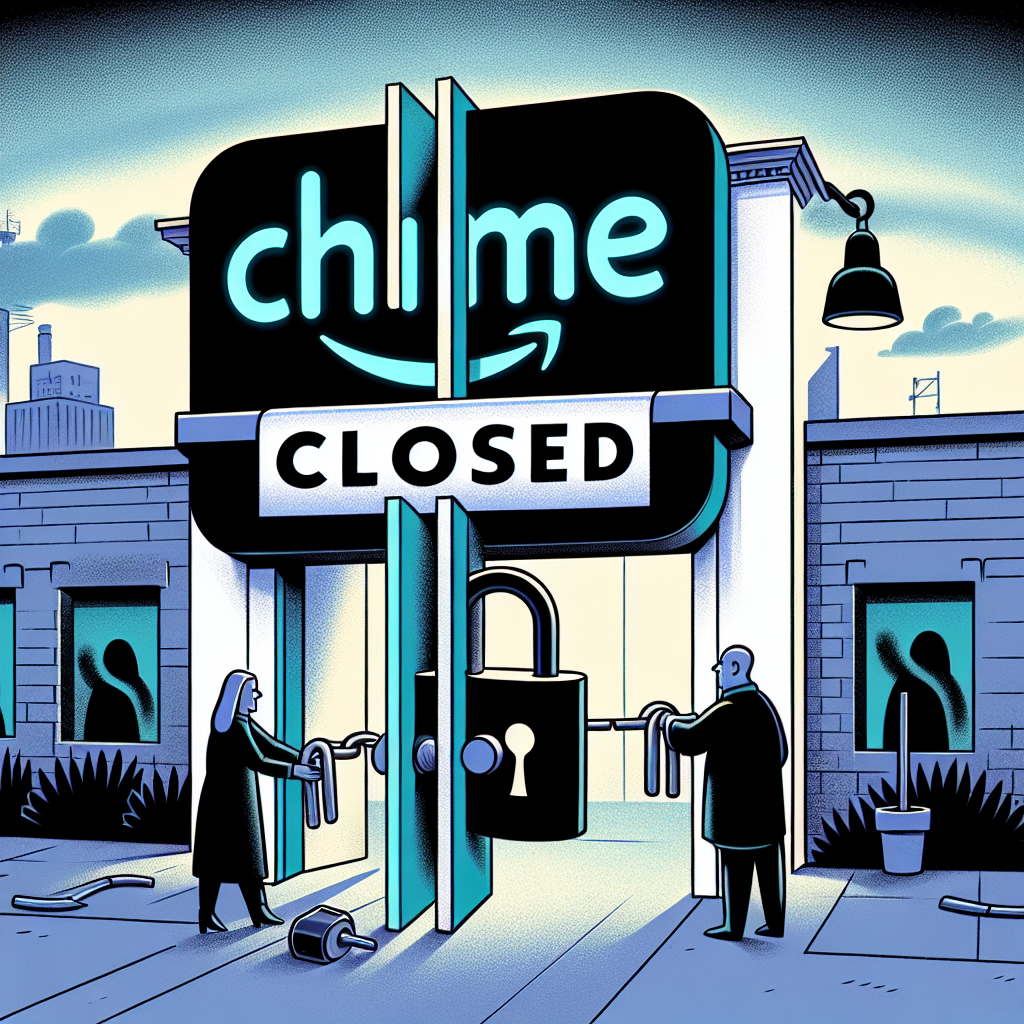
The End of an Era: Amazon Shuts Down Chime, Its Zoom Alternative
In a surprising move, Amazon has announced the shutdown of Amazon Chime, a service that once competed against major conferencing platforms like Zoom and Microsoft Teams. As virtual meetings became the norm rather than the exception, Chime was Amazon’s effort to provide a robust, secure, and seamless video conferencing solution. However, even with Amazon’s significant resources, Chime didn’t manage to capture the market as expected.
Today, we explore what happened to Amazon Chime, its history, features, and what its closure signifies in the evolving landscape of video conferencing solutions. Whether you’re a tech enthusiast, a business user, or simply curious about the latest in tech shutdowns, this article provides a comprehensive look into the why and the how.
What Was Amazon Chime?
Amazon Chime was launched in February 2017 by Amazon Web Services (AWS), coming at a time when video collaboration tools were skyrocketing in popularity. Designed for enterprises, Chime had high hopes of becoming a staple in virtual meetings, offering a range of features intended to rival market leaders like Zoom and Skype.
Features of Amazon Chime
Amazon Chime came loaded with features that were attractive to both businesses and individual users:
- Video and Audio Conferencing: High-definition video and crystal-clear audio were touted as its main draw.
- Screen Sharing: Users could easily share their screens, making it ideal for presentations and remote teamwork.
- Chat: Persistent chat rooms allowed team members to continue conversations even after meetings were over.
- Meeting Recording: Useful for those who needed to review past discussions and decisions.
- Security: Meetings were encrypted, emphasizing Amazon’s commitment to data privacy.
Despite these features, Chime couldn’t leverage its potential audience, and soon the cracks started to show.
Reasons for Amazon Chime’s Shutdown
The shutdown of Amazon Chime raises numerous questions about what went wrong. Here are some potential factors:
Strong Competition
Chime entered a highly competitive market dominated by firms with years of experience and immense user bases:
- Zoom emerged as a clear frontrunner with its easy-to-use interface and reliable performance, especially noted during the COVID-19 pandemic.
- Microsoft Teams integrated deeply with Microsoft Office products, making it a convenient choice for businesses.
- Google Meet capitalized on integration with other Google services and its ubiquitous nature in educational and business environments.
Late Market Entry
While Chime was equipped with numerous features, it launched during a period when the market was already saturated with entrenched players. As platforms like Zoom rapidly innovated, Amazon Chime found it hard to keep pace.
AWS’s Strategic Focus
In recent years, AWS appears to have shifted its focus towards other high-growth areas such as machine learning, AI services, and specialized cloud infrastructure. Chime, lacking substantial growth traction, possibly didn’t align with AWS’s strategic priorities.
The Implications of Shutting Down Amazon Chime
The shutdown of Chime is significant not only for Amazon but also for the broader landscape of cloud-based collaboration tools.
For Amazon
Amazon’s move to shut down Chime can be seen as both a setback and a wise decision:
- Resource Allocation: By retiring Chime, AWS can repurpose resources to other high-impact projects that may deliver better ROI.
- Market Reputation: It acknowledges that not every venture will be a success and shows adaptability in focusing on areas where they lead.
For Users
For current and past users of Chime, its shutdown might necessitate quick decisions on moving to alternative platforms:
- Migration Headaches: Users need to look for new platforms and transfer existing data and processes.
- Opportunities: This also opens opportunities to explore other platforms that might better cater to unique needs.
For Competitors
With one less competitor on the scene, existing players might seize the opportunity to capitalize on the newly available market share, enhancing their features and offering incentives to attract former Chime users.
Navigating the Post-Chime World
For those affected by the shutdown, transition strategies will be crucial. Here are some steps for users to consider:
Evaluate Your Needs
Before choosing a new platform, assess your specific needs:
- Scale and Size of Meetings: Does your organization need to host thousands of participants, or are you looking for more intimate settings?
- Integration with Existing Tools: Consider platforms that offer seamless integration with your existing software ecosystem.
- Budget Considerations: While some options might offer free tiers, advanced features often come at a premium.
Explore Alternatives
Consider these alternatives that have proven themselves reliable and user-friendly:
- Zoom: Known for its user experience and innovative features.
- Microsoft Teams: Best for organizations that use Microsoft Office tools extensively.
- Google Meet: A solid option for those already using Google Workspace.
- Cisco Webex: Offers excellent security features and robust meeting capabilities.
Leverage Trial Periods
Most services offer trial periods that allow users to explore features without a long-term commitment. Take advantage of these offerings to make informed decisions.
Conclusion
The shuttering of Amazon Chime marks a notable shift in the video conferencing landscape. While it’s a significant chapter closing for AWS, it also reflects the rapidly evolving nature of technology where adaptation and strategic focus define success or failure. As businesses and individuals adapt, it’s a reminder of the perpetual change within the tech industry and the necessity of agility.
The end of Amazon Chime underscores the importance of technology that not only meets current demands but also anticipates future needs—an arena where competition fosters improvement and innovation continuously reshapes the landscape.