
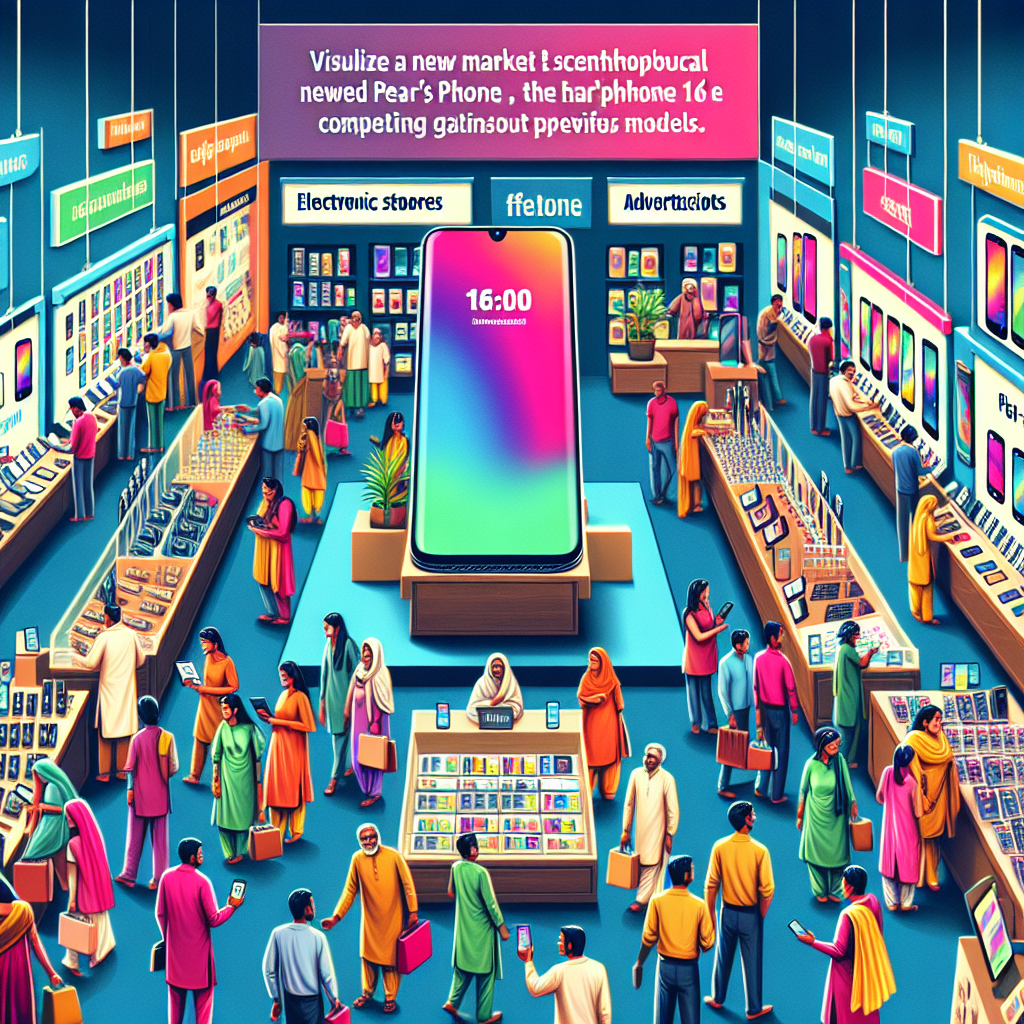
Is the iPhone 16e Outshined by Its Predecessors in the Indian Market?
In the vibrant world of smartphones, Apple is a household name that often leads the charge with its cutting-edge technology and innovative designs. However, the recent release of the iPhone 16e in India has stirred an interesting debate. While it is packed with new features and improvements, it faces stiff competition from its older siblings, the likes of iPhone 14, 15, and even the quintessential iPhone 13, which continue to dominate the market. Could this generational resistance signify a shift in consumer preference in India, or is this just another instance of diverse choice complicating the buying decision?
In this article, we’ll explore why the iPhone 16e might be struggling to edge out its predecessors in the Indian market. We’ll delve into various aspects like pricing strategies, feature sets, consumer preferences, and India-specific market conditions.
iPhone 16e: The New Kid on the Block
The iPhone 16e was launched with much fanfare, boasting a sleeker design and some mesmerizing features. Apple’s focus with the 16e is not just innovation but also refining what already works. But let’s take a closer look at what the iPhone 16e actually offers:
Key Features of iPhone 16e
- Upgraded Chipset: The iPhone 16e comes with the latest A-series chip, promising faster performance and better energy efficiency.
- Camera Enhancements: It boasts an improved triple-camera system that includes new features like night mode and AI enhancements for incredible photography.
- Battery Life: With smarter power management, the device aims to offer longer operational time.
- 5G Ready: Comes with expanded 5G capabilities, making it future-ready.
Despite these advancements, sales haven’t soared as anticipated, raising questions on the consumer decision-making process.
Pricing: A Double-Edged Sword
Price plays a pivotal role in the Indian market where consumers are known for being both budget-conscious and quality-seeking. Apple’s pricing strategy for iPhone 16e hasn’t been very different from its historical trend—premium. This has put it in a difficult spot against the older models, especially those that provide good enough features at a more affordable price.
Cost Comparison
- iPhone 13: Now available at a discounted rate, it offers substantial value for those looking to enjoy Apple’s ecosystem without splurging on the latest model.
- iPhone 14: A middle-ground option that offers modern features without the hefty price tag of a brand-new launch.
- iPhone 16e: Commands a premium price, which some find hard to justify compared to previous models offering competent performance.
The presence of these financially enticing alternatives has led potential buyers to either stick with what they know or explore more affordable, yet robust alternatives.
Brand Loyalty vs Feature Fetish
Indian consumers are increasingly becoming tech-savvy. While brand loyalty continues to keep many within Apple’s walls, there is a discernible shift towards utility over brand emblem.
- Feature Fetish: Some consumers are driven by the need for the latest features, and yet the iPhone 16e does not offer considerably new tech to justify an upgrade for everyone.
- Brand Assurance: Many are sticking with older models because they still offer Apple’s promise of quality without the leap in pricing.
The Role of Older iPhone Models in India
Older iPhone models play an intriguing role. They hold not just historical significance but offer pragmatic choices for a large segment of the market.
Value Proposition of Older Models
-
Sufficient Performance: For most practical purposes, even a slightly older A-series chip performs admirably in daily tasks like social media, gaming, etc.
-
Updated iOS: Older models still receive iOS updates which means users do not miss out on new software features and security updates.
- Resale Value: Investing in older models presents a viable secondary market option for those looking to upgrade later without a major financial hit.
Strategic Marketing & Regional Trends
Apple’s marketing strategy has always been aspirational globally. However, in the Indian context, the approach requires a nuanced understanding of local cultures and economic diversity.
- Localized Campaigns: Regionalized advertising might resonate better than global narratives.
- Language Support: Improved vernacular language support and more local content could position newer iPhones as more integrated into daily life.
Local Manufacturing
India has rapidly evolved into a promising production and assembly hub for Apple, which could lead to better pricing strategies in the future. Though they haven’t drastically reduced prices yet, local production is likely to positively impact future Apple pricing strategies, making it more competitive.
The Future: iPhone 16e and Beyond
While the iPhone 16e is certainly an impressive device in its own right, several factors have aligned to make older models fierce competitors in the Indian market. From pricing strategies and feature offering to local trends and preferences, there’s more at play than meets the eye.
As Apple continues to innovate, the balancing act between appeal and accessibility will be crucial in determining its trajectory in Indian shores. The smartphone titan’s ability to localize experiences, pricing inclusivity, and strategic marketing would be paramount for its dominance in the coming years.
Would you rather buy the newest tech marvel or stick with a tried and true version that’s easier on the pocket? The choice may not be simple, but with careful consideration of your needs and budget, you could find your perfect iPhone fit right from Apple’s multifaceted lineup.