
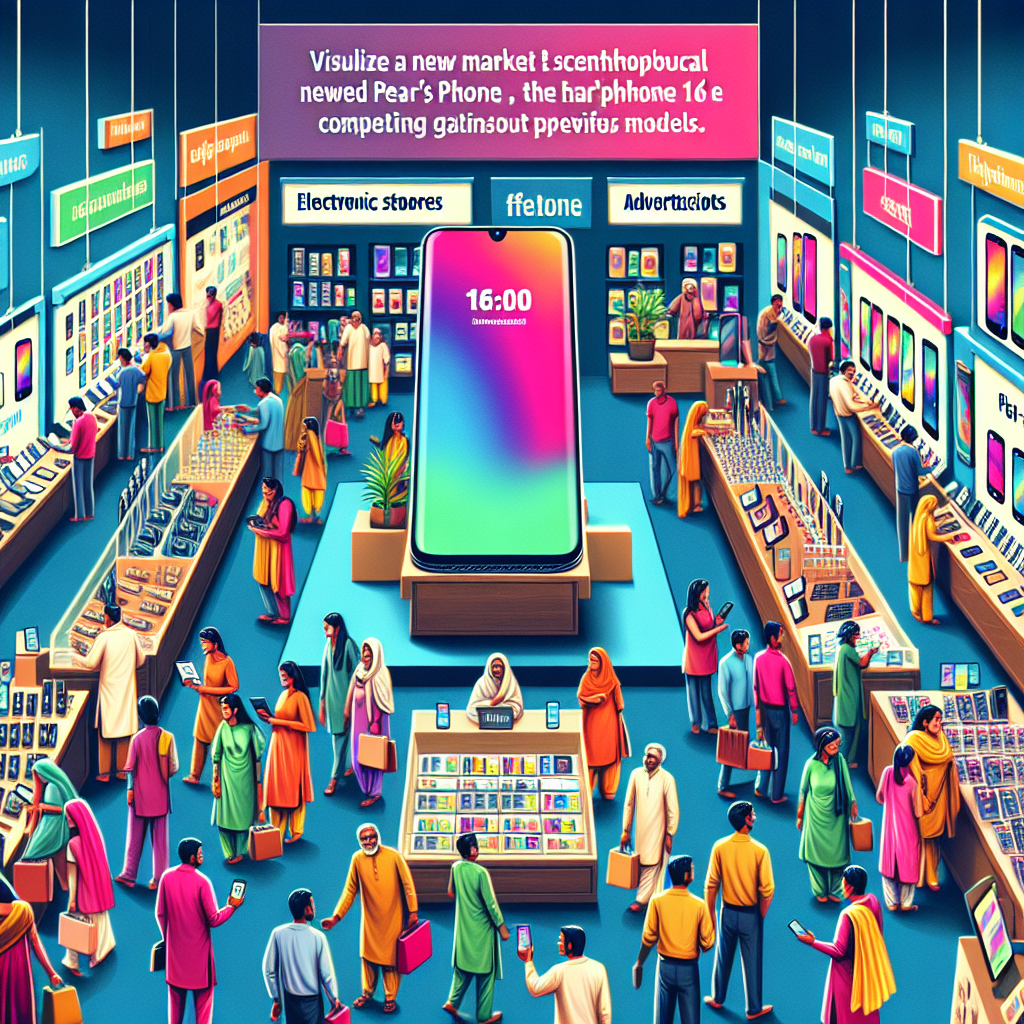
Why Apple’s iPhone 16e Faces Stiff Competition from Older Models in India
In recent years, the Indian smartphone market has become a battleground for major tech companies, and Apple finds itself in the thick of this competition. With the launch of the iPhone 16e, the company anticipated a significant shift in market dynamics. However, standing in its path are Apple’s very own older models, creating an intriguing competitive landscape. Understanding why this is happening and how it affects potential buyers is crucial.
The Indian Smartphone Landscape: A Peek Inside
India, being the second-largest smartphone market in the world, presents a unique set of challenges and opportunities for a brand as reputable as Apple. But why do older models hold their ground so effectively?
Consumer Preferences in India
Indian consumers are known for their value-conscious mindset. They are tech-savvy individuals who often research extensively before making a purchase. This makes them gravitate towards products that offer the best value for their money:
- Price Sensitivity: The typical Indian consumer is highly sensitive to pricing. Given the premium pricing of newer iPhone models, older versions—which see significant price drops—become more attractive.
- Trust in Proven Technology: Older models have an established track record. Consumers trust what has been tested and reviewed extensively.
- Increasing Durability: With advancing technology, even older models pack a punch, catering to most consumers’ needs effectively.
The Resale Value Factor
iPhones are known for their high resale value, which makes purchasing an older model a safe bet. Many consumers in India buy iPhones with the intent of reselling or trading in for newer models when prices drop:
- Ease of Upgrade: Consumers can sell their phones at a decent price, minimizing the burden of purchasing a new one.
- Community and Marketplace Support: Online marketplaces and community groups facilitate easy buying and selling of older iPhones.
iPhone 16e: The New Entrant’s Strategy
Even with stiff competition from its predecessors, the iPhone 16e aims to carve a niche for itself. Let’s explore what Apple’s strategy involves for its latest model in India.
Innovative Features and Improvements
To entice users, the iPhone 16e comes packed with features that aim to set it apart:
- Cutting-Edge Technology: With improved camera capabilities, the latest processor, and AI-enhanced features, the iPhone 16e promises an experience like no other.
- Sustainability Efforts: Many consumers are now environmentally conscious, and Apple’s focus on sustainability can be a selling point. Reduced carbon footprint and recycling initiatives could appeal to this demographic.
Strategic Pricing and Promotions
To combat the allure of older models, Apple employs several tactics:
- Trade-in Discounts: Offering significant value for older iPhone models to encourage upgrades.
- Bank Offers and EMIs: Collaborating with banks to offer discounts and easy-payment options aids affordability and accessibility.
- Festive Discounts: Capitalizing on Indian festivals and the shopping spree spirit, special pricing is a bait Apple effectively uses.
Challenges Ahead for the iPhone 16e
Despite the sound strategy, there are several barriers Apple faces with the iPhone 16e.
The Perennial Price Obstacle
Even with offers, the initial price remains hefty. For a large portion of the Indian market, the price difference between an older model and the iPhone 16e makes a significant impact.
Battle Against Android
In the smartphone ecosystem, Android’s dominance is a challenge Apple must continually face:
- Variety and Customization: Android phones offer a wide array of customizations and choices across different budgets, making them inherently attractive.
- Integration and Ecosystem: Users deeply integrated into the Apple ecosystem are the primary target for Apple. However, Android’s versatile ecosystem offers strong competition.
The Buying Decision: iPhone 16e vs. Older Models
When it comes down to the wire, consumers are tasked with deciding between the allure of the new and the reliability of the old.
Evaluating the User’s Needs
Understanding personal usage can heavily influence this decision:
- Tech Enthusiasts: Those who need the latest features and can afford them, the iPhone 16e becomes a worthwhile investment.
- Everyday Users: For an average user’s needs—social media, photography, basic productivity—older models often suffice.
Long-Term Benefits vs. Immediate Gratification
While the iPhone 16e may offer longevity and future-proofing, older models provide a more immediate satisfaction due to their affordability and established reputation.
Conclusion: Navigating the Competition
The competition between Apple’s iPhone 16e and its older siblings is a fascinating chapter in the Indian smartphone market saga. For Apple, understanding the Indian consumer is crucial in devising strategies that resonate with local preferences.
- Apple Needs to Innovate Continuously: While retaining its identity, Apple must find ways to offer cost-effective solutions and marketing strategies.
- Consumer Education: Educating consumers on the benefits of newer models can shift perceptions and increase adaptability.
Ultimately, the balance between innovation and affordability will dictate Apple’s success in this vibrant market. By acknowledging what consumers truly want and need, the company can hope to carve out a larger share in India’s dynamic tech landscape.