
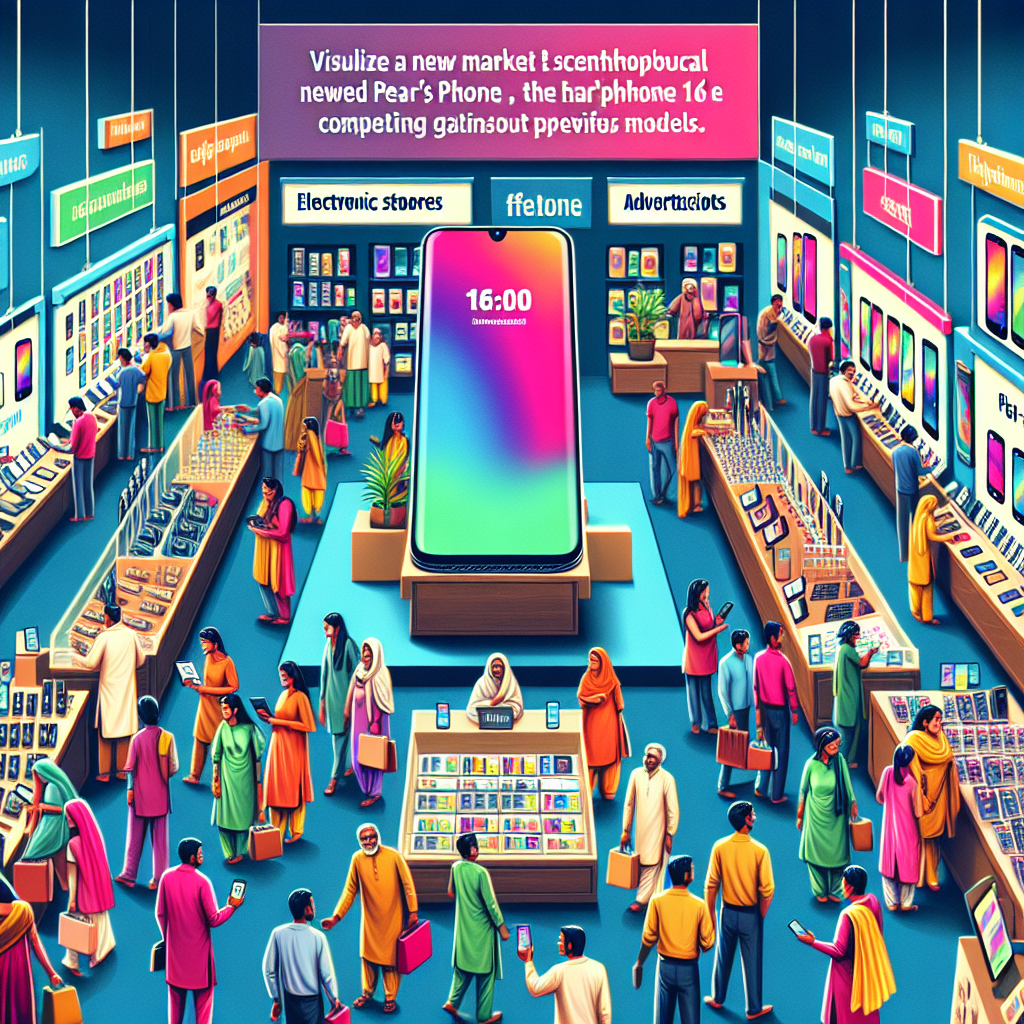
Can the iPhone 16e Survive India’s Price-Savvy Market Dominated by Older Apple Models?
In the vibrant and dynamic smartphone industry of India, the launch of a new iPhone variant is always a topic of considerable interest. However, despite the buzz surrounding Apple’s innovative features and technological advancements, the iPhone 16e faces formidable competition from its own predecessors. Why are older iPhone models still a popular choice among Indian consumers? And how does the budget-conscious market shape this competition?
In this article, we dive deep into the intriguing scenario where Apple’s cutting-edge iPhone 16e must hold its ground against the tried-and-tested earlier models. We dissect consumer behavior, pricing strategies, and the ever-evolving nature of smartphone preferences in one of the world’s largest markets.
Understanding India’s Unique Smartphone Market
India’s smartphone market is unlike any other, characterized by a vast and diverse user base and a significant focus on cost-effectiveness. Here are some crucial factors that shape the dynamics:
Price Sensitivity
- Cost-Effectiveness Over Innovation: Indian consumers often lean towards affordability rather than investing a premium solely for the latest technology.
- Budget-Conscious Consumers: A large section of the market looks for the best value for money, balancing quality and price.
Consumer Preferences
- Brand Loyalty with Skepticism: While Apple has a loyal user base due to its brand prestige, many buyers exhibit cautious behavior.
- Resale Value: iPhones are known to have a high resale value, which is a significant factor for consumers who plan their purchases with future trade-ins in mind.
The Persistent Popularity of Older iPhone Models in India
Pricing Strategy
Older iPhone models frequently become viable options due to their reduced price tags. As a result, they:
- Bridge the Gap: Often serve as a transition for users from Android to iOS.
- Offer Familiarity with Excellence: Equip users with dependable performance and favorable user experiences at a lower cost.
The Demographics Factor
- The Youth Segment: Young tech enthusiasts and college students often prioritize cost over cutting-edge features when choosing devices, which draws them to older models.
- Middle-Class Appeal: India’s burgeoning middle class finds more value in previous models, which deliver premium brand experience without the luxurious price tag.
Features vs. Cost: The iPhone 16e’s Dilemma
Apple’s iPhone 16e introduces several groundbreaking features aimed at enhancing the user experience. But do these innovations suffice to woo potential buyers away from cheaper, older models?
New Features of the iPhone 16e
- Advanced Camera Technology: Offering cutting-edge photographic capabilities.
- Enhanced Processing Power: Utilizing the latest A-series chips for faster performance.
- Longer Battery Life: Innovations in battery technology promise extended usage.
Challenges in Justifying the High Price Point
While these features are undeniably appealing, they may not hold enough sway for:
- Cost-focused Individuals: Those who prioritize basic functionalities over advanced technology.
- Functional Pragmatists: Users satisfied with the capabilities of older models and unwilling to pay a premium solely for incremental advancements.
The Role of Indian Retail Strategies
Trade-In Programs
- Attractive Exchange Offers: Retailers capitalize on providing substantial trade-in options for older models when purchasing new ones, an enticing deal for users seeking upgrades.
EMI Options and Cashback Offers
- Flexible Payment Solutions: Installment plans and tied offers with banks make acquiring older models more financially comfortable for many consumers.
- Discounted Bundles: Retailers frequently bundle older iPhones with peripherals to increase appeal and justify pricing.
Future Prospects and Market Trends
Looking ahead, the competition between new launches and older models reveals much about ongoing trends within the Indian smartphone market:
Potential Shifts in Consumer Behavior
- Tech Adoption vs. Price Mindset: As digital literacy increases, there could be a gradual shift with a greater segment of consumers willing to invest in newer technology.
Apple’s Strategic Initiatives
- Localized Manufacturing: Apple’s ongoing focus on manufacturing and assembling in India could potentially reduce production costs and offset pricing challenges.
- Tailored Models for Local Market: Developing variants specifically for different regions could better address diverse market needs.
Conclusion: Navigating the Competitive Terrain
In summary, while the iPhone 16e heralds a new era of technological prowess, its success in India will largely depend on Apple’s ability to address local consumer expectations and pricing constraints amid the presence of favored predecessors. The ongoing tug-of-war between new entrants and established favorites reveals much about consumer priorities, offering insights pivotal for any technology brand seeking to thrive in this unique market landscape.
Ultimately, understanding India’s dual love for innovation and value positions both Apple and its customers at the helm of ongoing evolution in smartphone engagement.
Whether you’re considering the latest iPhone or eyeing an older model, the decision will ultimately come down to balancing your needs and your pocket. What remains clear, however, is India’s undeniable role as a critical battleground for smartphone brands worldwide.