
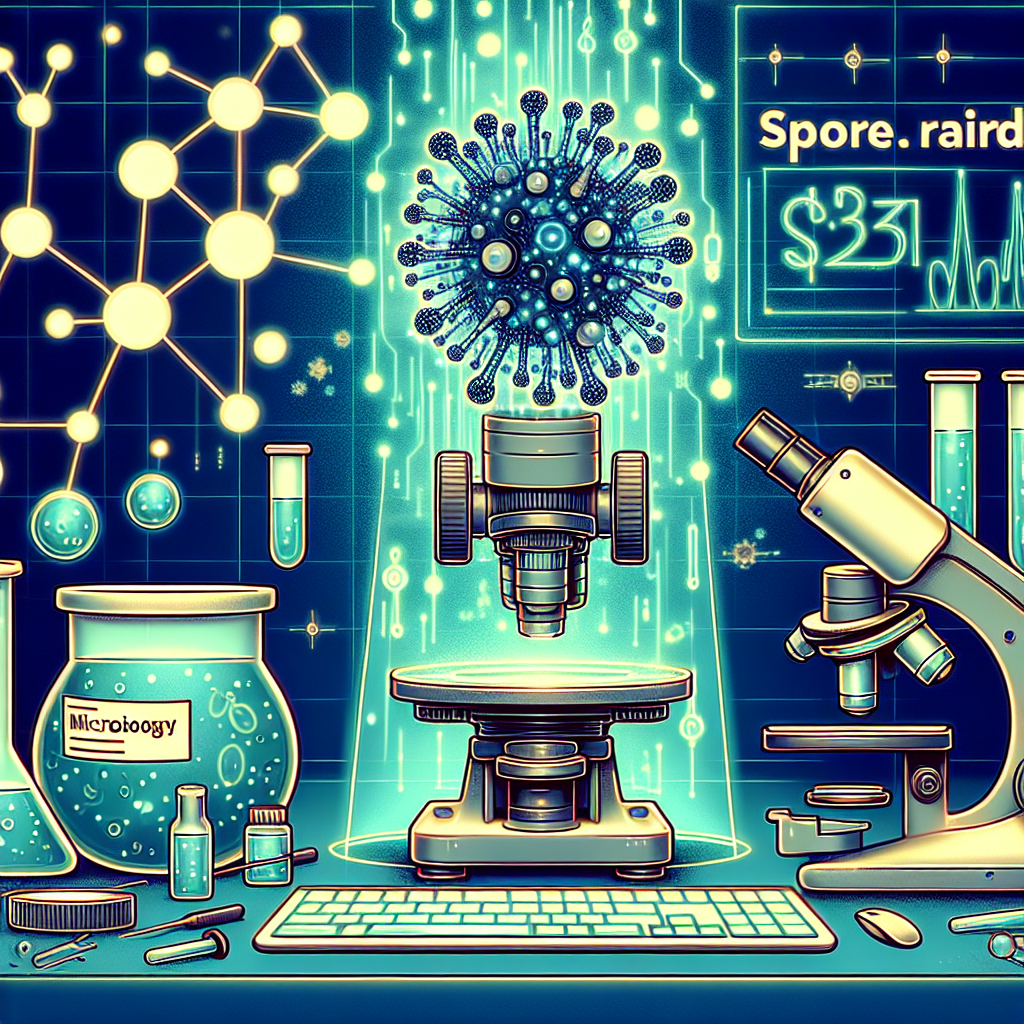
Revolutionizing Microbiology: How Spore.Bio’s $23M Funding Boost is Pushing the Boundaries with Machine Learning
In today’s fast-paced world, the intersection of technology and biology is fostering groundbreaking innovations that promise to reshape scientific landscapes. Spore.Bio’s recent announcement to raise $23 million is a testament to this revolutionary phase, as they aim to synergize machine learning with microbiology testing. This fusion is not merely a trend but a transformative approach poised to alter diagnostic paradigms in healthcare, agriculture, and environmental science.
Spore.Bio’s Vision: A New Era in Microbiology
Spore.Bio is at the forefront of a massive shift in the microbiology sector, combining traditional methodologies with cutting-edge technology. Their primary goal is to accelerate and enhance microbiological testing using machine learning algorithms.
The Driving Force Behind the $23M Investment
Why did Spore.Bio succeed in attracting such a significant investment? Several compelling factors attract stakeholders:
- Innovative Approach: By integrating machine learning, Spore.Bio sets itself apart in an industry that’s ripe for innovation.
- Market Demand: There is an increasing need for rapid, accurate microbiological testing across numerous industries.
- Proven Expertise: With a team of seasoned microbiologists and tech experts, Spore.Bio is well-positioned to capitalize on its technology.
Potential Impact of the Investment
With the influx of $23 million, Spore.Bio intends to:
- Expand Research and Development: Continuous innovation is pivotal. This investment will fuel further R&D projects, ensuring that Spore.Bio remains on the cutting edge.
- Scale Operations: Enhancing their infrastructure will help meet the growing demand for their services.
- Diversify Applications: While healthcare remains a key focus, Spore.Bio also plans to branch out into agriculture and environmental sciences.
How Machine Learning is Transforming Microbiology Testing
Machine learning offers unprecedented potential in refining and accelerating microbiological processes. Here’s how this powerhouse technology is introducing change:
Data-Driven Insights
Machine learning algorithms can analyze vast datasets quickly and accurately, unveiling patterns and anomalies that are often imperceptible to human eyes. In microbiology, this translates into:
- Enhanced Accuracy: Automated analysis reduces the chances of human error, ensuring more reliable results.
- Faster Turnaround: Speed is crucial, especially in clinical diagnostics. ML can expedite the testing process significantly.
Real-World Applications in Various Sectors
Microbiology combined with machine learning impacts many fields:
Healthcare
- Infectious Disease Management: Faster detection and response to pathogens can be life-saving.
- Antibiotic Resistance Tracking: Identifying resistance patterns can help tailor effective treatment strategies.
Agriculture
- Soil Health Monitoring: Improved analysis of soil microbiomes can lead to better crop yields.
- Pest and Disease Control: Quick identification of microbial threats minimizes crop losses.
Environmental Science
- Water Quality Testing: Identifying contaminants can prevent environmental and public health crises.
- Bioremediation Monitoring: Ensuring the effectiveness of microbial treatments in degrading pollutants.
Challenges and Ethical Considerations
As with any technological advancement, integrating machine learning in microbiology poses certain challenges and ethical questions.
Data Privacy and Security
With vast data lakes being formed, ensuring the confidentiality and protection of sensitive microbiological data is paramount.
Technology Adoption
The traditional microbiology community might resist digital transformation. Thus, educational initiatives are crucial to bridge the knowledge gap.
Bias in Machine Learning Models
Ensuring that ML algorithms are devoid of bias is essential to maintain fairness and accuracy in testing results.
The Future Outlook: What’s Next for Spore.Bio?
The intersection of machine learning with microbiology is just beginning, with vast unexplored potential. For Spore.Bio, the future holds several exciting prospects:
- Collaborations with Academic Institutions: Joint ventures can foster knowledge exchange and spur further innovations.
- Entering New Global Markets: With a robust foundation, expanding their international footprint is a logical next step.
- Continuous Updates and Iterations: As technology evolves, so must the algorithms to maintain accuracy and relevance.
Conclusion
Spore.Bio’s recent $23M funding is more than just a financial milestone; it’s a declaration of intent to lead a transformative wave in microbiological testing. By embracing machine learning, Spore.Bio not only enhances the accuracy and speed of diagnostics but also opens new avenues for innovation across sectors. As we step into this exciting frontier, the possibilities are limitless, and the implications for science and society are profound.